
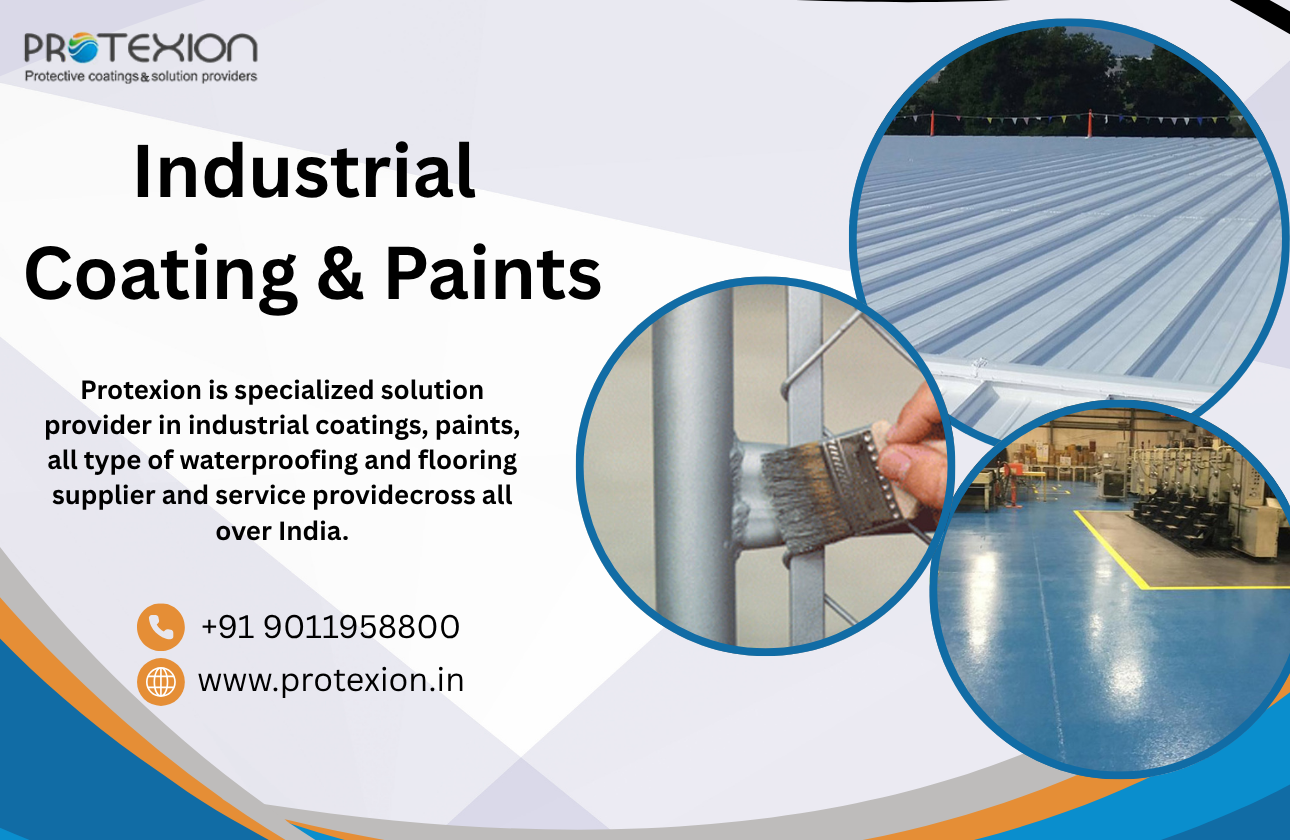
Galvanizing Coating: What It Is and Why It Matters
When we talk about galvanizing coating, we are referring to a protective layer that fights off corrosion. The primary objective of this coating is to protect metal surfaces, particularly steel structures, from rust and other weathering effects. It works by creating a physical barrier between the metal and potentially harmful external elements. This type of coating is widely used in the construction industry as it provides long-term protections and extends the life of a structure.
How Does Galvanizing Coating Work?
The galvanizing coating operates on a simple principle. When the steel is coated with zinc, the zinc acts as a sacrificial layer. This means that when exposed to the environment, the zinc will corrode first, leaving the underlying metal protected. This is a smart and practical way of safeguarding your construction materials. It reduces maintenance costs and prevents unexpected failures due to deterioration. For detailed knowledge about different protective coatings, visit Anti-corrosion Protective Coatings.
Types of Galvanizing Coating
There are a couple of types of galvanizing coatings you should be familiar with. They include hot-dip galvanizing and electro-galvanizing. Each has its own set of benefits and applications. Hot-dip galvanizing involves immersing steel into a bath of molten zinc. It provides a thick, durable coating. On the other hand, electro-galvanizing uses electrical current to apply a thin layer of zinc to the surface. This is generally used for smaller parts or where a smooth finish is desired.
Benefits of Using Galvanizing Coating
Employing a galvanizing coating can lead to multiple advantages. For starters, it significantly prolongs the lifespan of metal structures. Additionally, it provides excellent adhesion for other coatings, such as paint. Another benefit is that it offers protection from not just rust, but also scratches and minor physical damage. Moreover, galvanizing is an economically viable solution compared to other methods of corrosion control, providing a high return on investment.
Galvanizing Paint: An Overview
Galvanizing paint serves as a quick fix for minor metal protection needs. It is often used as a temporary or complementary solution for smaller scale projects. Unlike galvanizing coatings that are more permanent, galvanizing paint offers a shiny finish and is more aesthetically pleasing. It may not offer the same long-term protection as a proper coating, but it's handy for touch-ups and areas that undergo low stress. For more information on securing your structures with paint, check out Chemical Resistant Coatings.
How Galvanizing Paint Works
This kind of paint contains zinc and works by forming a film on the surface of the metal. This film serves as a protective barrier against moisture and oxygen, two elements that accelerate the process of rusting. The zinc particles within the paint act similar to those in a galvanizing coating; they provide sacrificial protection. While it is not as robust as a coating, it's useful for interim protection or surfaces with less exposure to wear.
Applications of Galvanizing Paint
Galvanizing paint is versatile in its applications. It is often used for pipelines, fences, and various outdoor fixtures. The paint is also a good choice for hard-to-reach areas where a full coating may be difficult. It's frequently used for DIY projects owing to its ease of application. However, for larger industrial needs, a full galvanizing coating is generally more effective. For extensive applications, Heat Insulation Coating and Heat Reflective Coating serve well alongside it.
Frequently Asked Questions
1. What is the main difference between galvanizing coating and paint?
Answer: The main difference lies in durability and application. Galvanizing coating is more permanent and robust, often used for industrial applications, while galvanizing paint is suitable for temporary solutions or smaller projects.
2. What kind of structures benefit most from galvanizing coatings?
Answer: Structures that are frequently exposed to weather conditions, such as bridges, pylons, and building frameworks, benefit the most as the coating offers long-lasting protection against rust and corrosion.
3. Can galvanizing paint be used on already rusted surfaces?
Answer: It's recommended to clean and prepare the surface by removing rust before applying galvanizing paint. This ensures better adhesion and increased protection.
4. Is galvanizing eco-friendly?
Answer: Galvanizing is considered eco-friendly due to its long-lasting nature, effectively reducing the need for frequent resource consumption in repairs and replacements.
5. Do I need special equipment to apply galvanizing paint?
Answer: No, galvanizing paint can be applied with standard brushes or sprayers, making it user-friendly for DIY enthusiasts as well as industrial applications.