
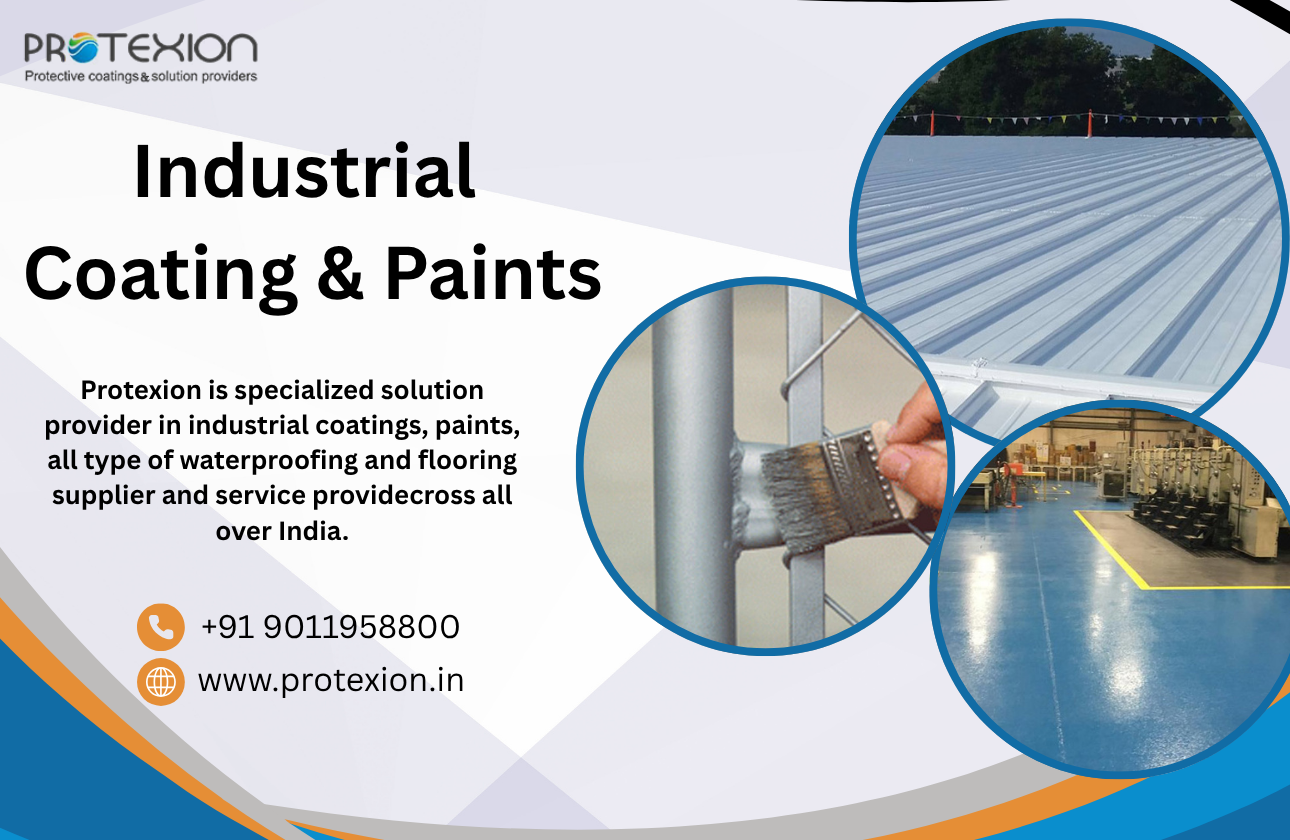
Understanding Chemical Resistant Coating
In industrial and commercial settings, surfaces are often exposed to harsh chemicals that can lead to damage if not properly protected. This is where chemical-resistant coatings come in. These coatings provide a vital layer of defense, protecting surfaces from the likes of acids, solvents, and other corrosive substances. By using a chemical-resistant coating, industries can prolong the lifespan of equipment and facilities, save on maintenance costs, and ensure safety. These coatings are designed to maintain their integrity even when faced with frequent chemical exposure, making them ideal for manufacturing plants, laboratories, and any environment where chemicals are handled regularly.
Why Choose Chemical Resistant Paint?
Similar to coatings, chemical-resistant paints offer another layer of protection against damaging substances. Paints are generally used when the covered surface also requires aesthetic improvement in addition to protection. For environments where physical appearance is important, such as pharmaceutical companies or hospitals, chemical-resistant paint is an ideal solution. These paints not only provide essential protection from chemical exposure but also improve the visual appeal of the facilities by offering a clean and shiny finish. Moreover, chemical-resistant paints often boast a wide range of colors, allowing businesses to maintain their branding and style.
Types of Chemical Resistant Coatings
Chemical-resistant coatings come in diverse types, each tailored to withstand different kinds of chemical exposure. There are epoxy-based coatings, which are best known for their excellent mechanical properties and durability under harsh conditions. Polyurethane coatings, on the other hand, are appreciated for their abrasive resistance and ease of application. Moreover, fluoropolymer coatings are renowned for their remarkable resistance to nearly all known chemicals. Understanding the specific needs of your environment will guide you in choosing the correct type of coating. Each type has unique attributes and levels of protection, ensuring that no matter the chemical situation, there is a solution.
Applications of Chemical Resistant Coatings
Industries that benefit from chemical-resistant coatings are vast and varied. These coatings are employed in processing and manufacturing plants where chemicals are part of daily operations. They are critical in environments such as petrochemical refineries, food and beverage industries, and even wastewater treatment facilities. The importance of these coatings extends to protecting surfaces that are constantly in contact with aggressive chemical agents or where spills are frequent. Furthermore, chemical-resistant coatings are applied in laboratories and pharmaceutical environments to safeguard surfaces from potential chemical spills.
Chemical Resistant Paint: Aesthetic and Protective
While coatings offer protection, paints add the advantage of enhancing aesthetic appeal. Chemical resistant paints are remarkably beneficial in situations where both protection and appearance matter. They are often applied in schools, hospitals, and commercial buildings where chemicals might still be used but where a clean appearance is also paramount. In labs and industrial kitchens, this kind of paint adds a layer of cleanliness and sophistication, all while providing the chemical resistance required by these settings.
Options for Chemical Resistant Coatings
The choices for chemical-resistant coatings are numerous and provide varying degrees of protection and durability. Epoxy coatings, known for their strong adhesion, are often used in areas where both chemical resistance and mechanical robustness are needed. Polyurethane stands out for its flexibility and resistance to UV degradation. When dealing with extremely aggressive chemicals, siloxane coatings can offer superior protection. The exact choice of coating often depends on the type of chemical exposure anticipated and the environmental conditions, making it imperative to have a good understanding of operational needs and the levels of protection available.
Choosing the Right Chemical Resistant Solution
Selecting the appropriate chemical-resistant coating or paint involves understanding both the environment it will be used in and the types of chemical exposure. To make the right selection, consider the frequency of chemical incidents, the types of chemicals encountered, and the physical demands of the environment. Consulting with professionals in the field can provide valuable insights and ensure that the choice of coating or paint aligns perfectly with operational needs. It's prudent to always choose high-quality products from reputable suppliers to guarantee both performance and durability.
Installation and Maintenance
Once the right coating or paint is selected, proper application is key. The surface must be prepped thoroughly to ensure adhesion, and the product must be applied according to the manufacturer’s specifications. Using professionals for installation can mitigate potential application errors, extending the life and effectiveness of the coating or paint. Maintenance is generally minimal, but regular inspections can identify any damage or areas of wear that need attention. During maintenance, any breaches should be promptly addressed to sustain the protective qualities of the coating or paint.
The Role of Advanced Technologies
Recent advancements in technology have expanded the possibilities for chemical-resistant coatings and paints. New formulations offer enhanced durability, faster curing times, and improved resistance to a broader spectrum of chemicals. Innovations such as heat insulation coatings and high-temperature resistance coatings are examples of how coatings can now address multiple requirements, including both chemical resistance and thermal management. Continued research and development promise future solutions that will be even more adaptable and effective across various applications.
Frequently Asked Questions
1. What is the purpose of chemical-resistant coatings?
Answer: Chemical-resistant coatings provide a protective barrier on surfaces that are exposed to harsh chemicals. They help to prevent damage and erosion, thereby extending the lifespan of the underlying materials.
2. How do chemical-resistant paints differ from coatings?
Answer: While both offer resistance, paints typically include aesthetic improvements, giving surfaces a clean and polished look, while coatings focus solely on protection without necessarily altering the appearance.
3. Where are chemical-resistant coatings and paints commonly used?
Answer: These products are widely used in industries such as petrochemical, pharmaceutical, laboratories, food and beverage processing, and anywhere chemicals are prevalent.
4. What factors should I consider when choosing a chemical-resistant coating?
Answer: Consider the type of chemicals present, the frequency and level of exposure, the physical environment, and whether there's a need for aesthetic considerations.
5. Can chemical-resistant coatings also offer protection against other elements, such as heat or electricity?
Answer: Yes, some coatings are designed with multiple protective features. For instance, a cool roof coating can offer both chemical resistance and thermal insulation, making them versatile in demanding environments.