
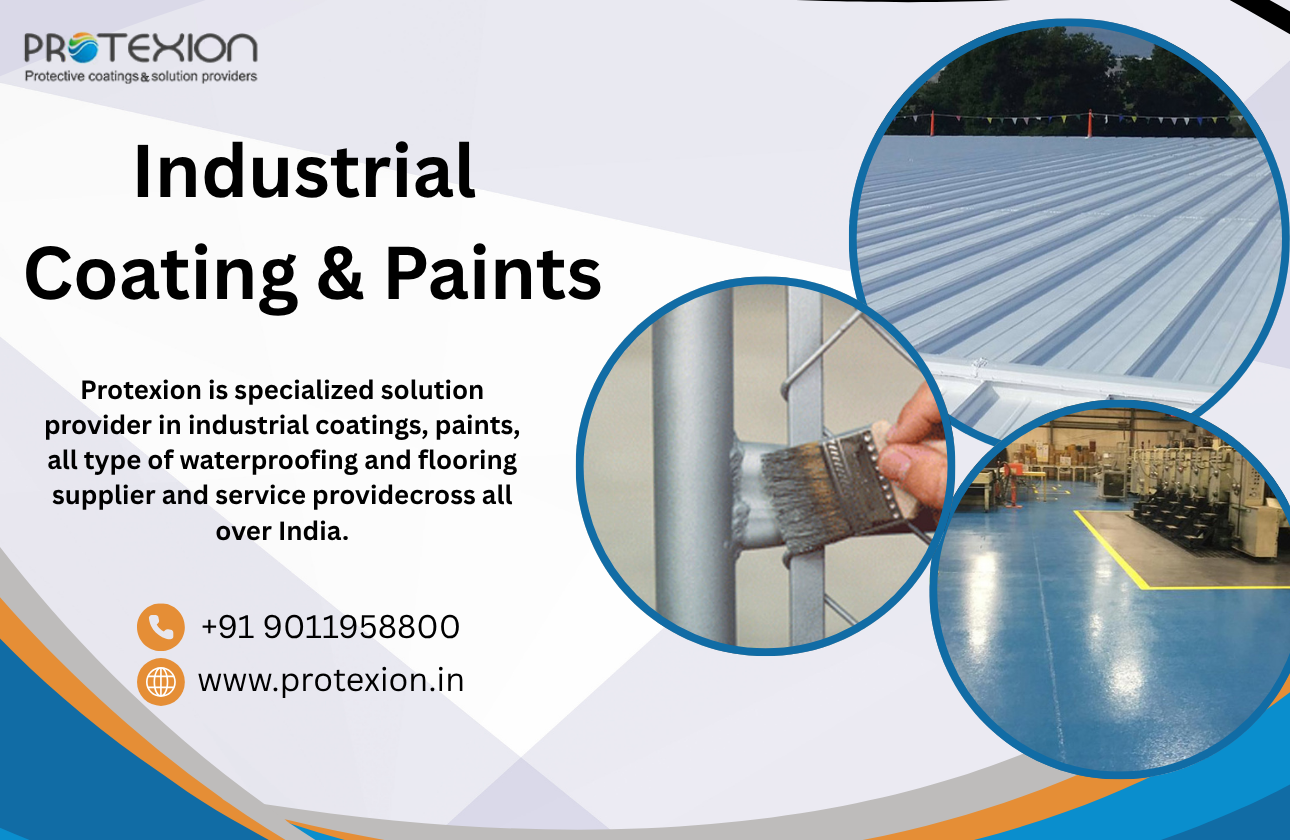
What is Heat Reflective Cool Roof Coating and Paint?
Heat Reflective Cool Roof Coating and Paint are remarkable solutions designed to reduce heat absorption into buildings. These products are made with advanced materials that reflect more sunlight and absorb less heat than a standard roof. This results in keeping the building cooler and can significantly reduce energy costs associated with air conditioning. By applying these coatings, properties stay comfortable even during the peak summer months. It's an easy and effective way to enhance your building’s energy efficiency and should be considered as part of any energy-saving strategy.
Benefits of Heat Reflective Cool Roof Coating and Paint
A major benefit is temperature regulation within the building. By reflecting sunlight, Heat Reflective Cool Roof Coating and Paint keep indoor spaces comfortably cool. This leads to reduced reliance on air conditioning systems, lowering energy bills. Further, there's a positive environmental impact. Since your cooling system doesn’t have to work as hard, you’ll be reducing your carbon footprint. Another advantage is the extended lifespan of your roof, as it is subjected to less thermal stress and temperature fluctuations, reducing wear and tear.
The Role of Cool Roof Coating and Paint
Cool Roof Coating and Paint serve a similar purpose as heat reflective solutions but can be tailored to different climates and building needs. They are designed to keep roofs cooler on sunny days. These coatings are especially useful in urban areas where the heat island effect can cause temperatures to soar. By keeping buildings cooler, these coatings help to reduce urban overheating and improve comfort levels inside. Therefore, they are an essential component in modern architecture focused on sustainability and energy efficiency.
Applicability in Various Climates
Cool Roof Coatings can be used in both warm and moderate climates. In hotter environments, they are invaluable for their ability to significantly lower indoor temperatures and save on energy consumption. In cooler climates, while the energy savings might not be as noticeable, they can still contribute to reducing heating costs by regulating the building’s internal temperature efficiently. It’s important to consider your local climate when deciding if a cool roof is suitable for your property. Additionally, these coatings have benefits beyond simple cooling — they can protect against harsh weather conditions.
Choosing the Right Products
When selecting a cool roofing product, you should consider its Solar Reflectance Index (SRI). This index will give you insight into the product's effectiveness in reflecting solar energy and dissipating the absorbed heat. Products with a higher SRI are typically more effective at cooling. It's also wise to look for coatings that contain special resins offering protection from ultraviolet rays, further enhancing their effectiveness. Cool Roof Coating and Paint are available with varying degrees of reflectivity and durability, so today's market offers many options tailored to specific needs.
Comparison with Other Coating Types
Compared to traditional anticorrosion protective coatings or fire-resistant coatings, Heat Reflective Cool Roof Coating and Paint are specialized for thermal protection. They differ by focusing on minimizing heat transfer as opposed to solely protecting against physical wear or chemical damage. Pairing them with other types like chemical-resistant coatings can yield protection benefits across a broad spectrum of potential environmental challenges.
How to Apply Heat Reflective Cool Roof Coatings
Applying these coatings is much like painting. The initial step is cleaning and preparing the roof surface, ensuring there are no loose materials or debris. A primer may be necessary depending on the roof's current condition. Once the area is prepped, apply the coating using a sprayer or roller for the best results. It's crucial to follow the manufacturer's instructions to achieve maximum effectiveness. Multiple layers might be necessary for optimal reflection and insulation properties. Regular maintenance will ensure the coating remains effective over time.
Frequently Asked Questions
1. What materials are used in Heat Reflective Cool Roof Coatings?
Answer: They typically include acrylic, silicone, and elastomeric substances known for their high reflective capabilities and durability.
2. Can I apply these coatings myself?
Answer: Although possible, it is recommended to hire professionals who can ensure the coatings are applied evenly and effectively.
3. Will this coating affect the lifespan of my current roof?
Answer: Yes, it often extends your roof’s lifespan by reducing thermal stress and exposure to the elements.
4. Are these coatings environmentally friendly?
Answer: Yes, they help reduce energy consumption and can lower your carbon footprint significantly.
5. How long does it take for the coating to dry?
Answer: This depends on the product, but typically a few hours to a day, depending on weather conditions.