
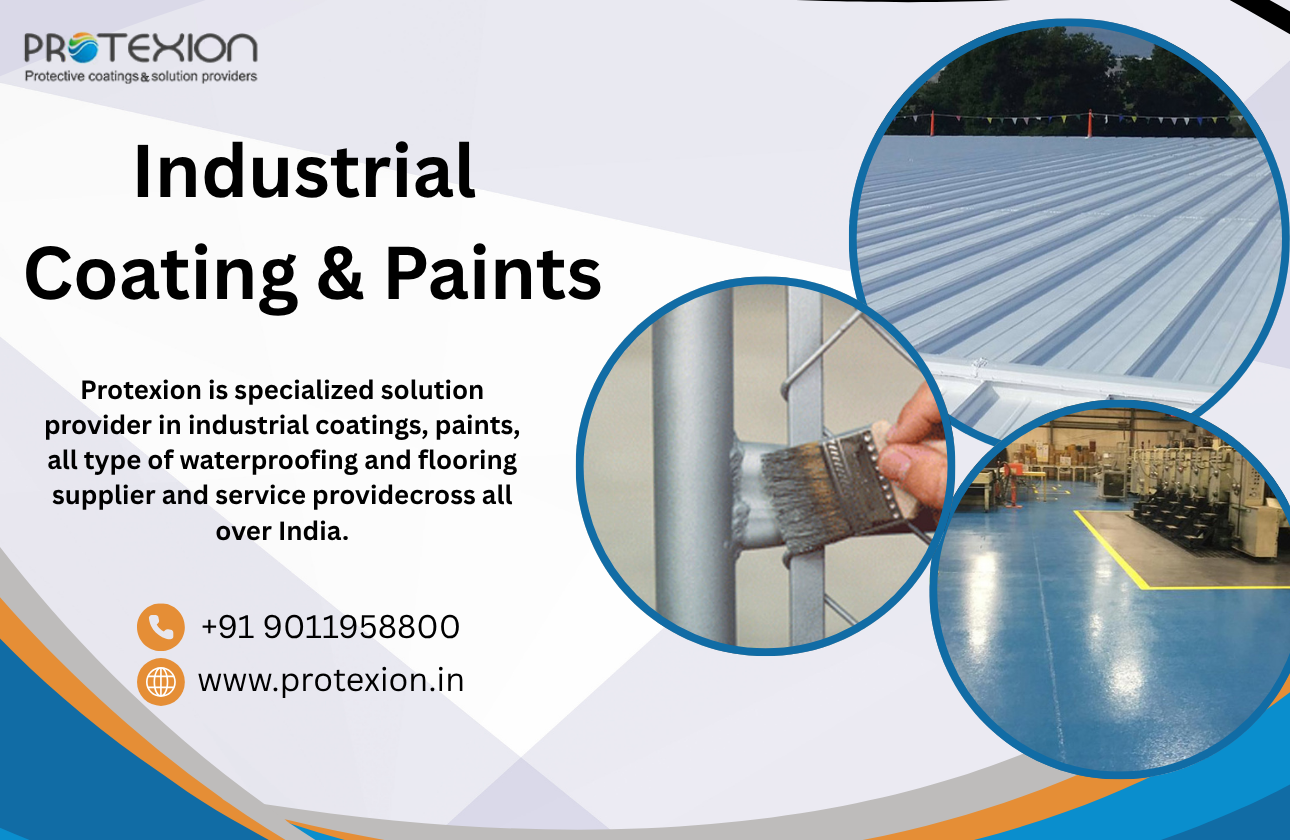
An Introduction to Acid Resistant Coating
Acid resistant coatings are used extensively in industrial and commercial environments to protect surfaces from chemical corrosion. These coatings are designed to withstand severe acidic conditions found in many industrial processes. By applying an acid-resistant coating, you can extend the lifespan of your equipment, save on maintenance costs, and ensure safety. The importance of such coatings becomes apparent when you consider the harsh chemicals that many industries deal with regularly. These coatings form a protective barrier, often using innovative materials that repel acid and prevent reactions that could lead to damage. For more insights, check out this comprehensive guide.
The Need for Acid Resistant Coatings
Industries such as chemical manufacturing, mining, and food processing commonly face the risk of acid damage. In these settings, surfaces can easily be exposed to acidic materials. Without proper protection, this would lead to degradation and potential failures. Acid resistant coatings ensure longevity and stability, offering an essential line of defense. Applying such coatings can prevent costly replacements and downtime often associated with corrosive damage. The coatings also contribute to environmental safety by preventing leaks and spills that come with equipment failure.
Applications of Acid Resistant Coatings
These coatings are not limited to just industrial equipment. They're also used in various settings like concrete floors, laboratory benches, and storage tanks, amongst others. Their application is essential in areas where exposure to acids and harsh chemicals is likely. Industries use acid-resistant coatings to maintain structural integrity and prolong the lifespan of their facilities and equipment. This not only enhances safety but also minimizes operational disruptions. More details on chemical resistant coatings are available to explore broader applications.
Benefits of Acid Resistant Paint
Like coatings, acid resistant paints provide a similar layer of protection. They are usually applied where a thick coating isn't necessary or feasible. These paints are available in various formulations that maintain durability and adhesion on different substrates. The main benefit is that they protect surfaces from pH extremes that could lead to fast degradation. Acid resistant paints can be applied to metals, ceramics, and even certain plastics. They ensure that critical surfaces continue to function without breaks or cracks caused by corrosion.
Acid Resistant Paint vs. Coating
While both paint and coating serve the purpose of protecting against acid damage, their application and efficiency can differ. Acid resistant coatings are generally more robust and offer longer-lasting protection compared to paints. Coatings are often used in heavy-duty industrial applications, whereas paints are used for less severe conditions. Paints offer a more aesthetic solution but may need re-application sooner than coatings. Deciding between the two often involves considering the environment, the type of acid, and the frequency of exposure.
Choosing the Right Product
Choosing between an acid resistant paint or coating depends on various factors, including the material to be protected and the level of acidity expected. It's crucial to consider the compatibility of the coating or paint with the surface material as well. In some cases, the paint may offer enough resistance, while in others, a coating would be more effective. Consulting with a professional or supplier can be beneficial. For those seeking enhanced protection, advanced protective solutions are available for specific needs.
Frequently Asked Questions
1. What is the most common use of acid resistant coatings?
Answer: Acid resistant coatings are most commonly used in industrial settings where there's consistent exposure to harsh chemicals. They are crucial for protecting pipelines, storage tanks, floors, and other critical surfaces from acid-induced corrosion.
2. How often should acid resistant paint be reapplied?
Answer: The reapplication schedule depends on the environment and level of exposure. Generally, acid resistant paint might need reapplication every few years to maintain its protective qualities, especially in high-wear areas.
3. Can acid resistant coatings be used outdoors?
Answer: Yes, these coatings can be used outdoors and will provide protection against acidic rain and other environmental factors. However, it's crucial to ensure the coating is suitable for outdoor conditions and offers UV protection.
4. What's the difference between acid resistant coatings and regular paints?
Answer: Unlike regular paints, acid resistant coatings and paints are specifically formulated to handle acidic environments without degrading. They offer higher durability and a stronger protective barrier compared to standard paints.
5. Are acid resistant coatings safe for food processing equipment?
Answer: Yes, many acid resistant coatings are specifically designed to be safe for food processing environments. They offer a non-toxic protective layer that can withstand the acids that might be present during processing, though it's essential to verify suitability with your supplier.