
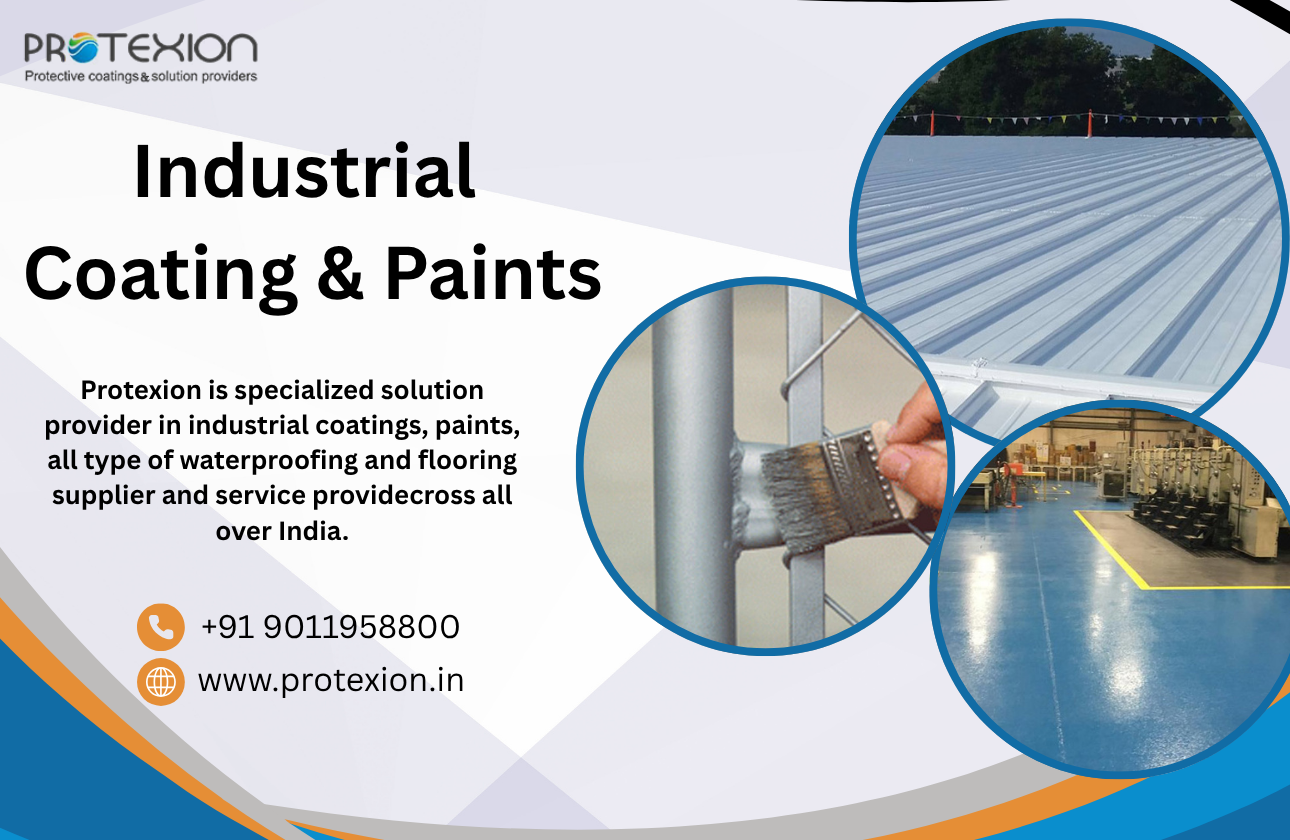
Understanding the Role of Waterproofing Contractors
Waterproofing contractors play a crucial role in building maintenance and construction. Their primary responsibility is to ensure that buildings and structures remain water-resistant, protecting them from water damage. These professionals are equipped with specialized skills and knowledge, enabling them to assess and implement waterproofing solutions effectively. Typically, their tasks involve evaluating sites, planning protective measures, and applying waterproof materials to vulnerable areas like basements, roofs, and walls. By maintaining the integrity of structures, waterproofing contractors help extend the lifespan of buildings and reduce the risk of costly repairs. Without their expertise, structures are more susceptible to water-related issues like mold growth, structural damage, and decreased thermal efficiency. For those considering structural renovations or new constructions, hiring a skilled waterproofing contractor is essential to safeguard against these potential problems.
Why You Need a Waterproofing Contractor
Hiring a waterproofing contractor is important for a variety of reasons. First and foremost, water damage is not just unsightly; it can severely compromise the structural integrity of buildings. Over time, unchecked water infiltration can lead to foundation cracks, wood rot, and other serious issues. Waterproofing contractors help prevent these problems by applying tailored solutions that keep moisture at bay. Additionally, they can save property owners significant costs in the long run. By catching and addressing issues early, these contractors prevent costly water damage repairs. Beyond financial savings, employing a waterproofing contractor provides peace of mind. Knowing your property is protected against water intrusion ensures a safe and healthy living or working environment. It's a proactive strategy that underscores the adage that prevention is better than cure.
Services Offered by Waterproofing Contractors
Waterproofing contractors offer a broad range of services to cater to different needs. These typically include basement waterproofing, roof repairs, and installing moisture barriers. Basement waterproofing is crucial as basements are prone to water seepage, which can lead to mold and mildew if not addressed. Roof repair and waterproofing help protect against leaks, especially in areas with extreme weather conditions. Moisture barriers, often a part of new construction projects, are installed to prevent moisture from penetrating building seams. Besides these, many contractors offer additional services such as damp proofing, installation of drainage systems, and mold remediation. Often, a certified contractor will offer a warranty on their work, providing assurance and added security for property owners.
The Process of Waterproofing
The waterproofing process typically starts with a comprehensive site inspection. Contractors identify potential problem areas and determine the most suitable waterproofing methods. Once an assessment is made, they choose the appropriate materials, such as sealants, membranes, or coatings. Application methods may vary, from spray coatings to sheet applications, depending on the area and type of waterproofing needed. After the initial installation, it is vital that contractors perform regular maintenance checks to address any new issues promptly. By employing waterproofing experts, property owners can be assured that each step, from evaluation to maintenance, is handled professionally. This ensures the highest standards of work and maximizes the longevity of the waterproofing solutions.
Choosing the Right Waterproofing Contractor
When choosing a waterproofing contractor, it is important to consider their experience, reputation, and certification. Experienced contractors bring valuable insights gained from previous projects, allowing them to handle even the most challenging conditions efficiently. Reputation is equally important; positive reviews and recommendations from past clients can provide confidence in their ability to deliver quality results. Certification is crucial as it assures that the contractor meets industry standards and has the necessary skills to execute waterproofing tasks. To start, seek recommendations from friends or colleagues who have undertaken similar projects. Additionally, check online reviews and ratings. Ultimately, choosing a reliable waterproofing contractor involves diligent research and ensuring they meet all essential criteria.
Frequently Asked Questions
1. What does a waterproofing contractor do?
Answer: A waterproofing contractor is a professional who specializes in preventing water intrusion into buildings. Their main tasks include inspecting properties for vulnerable areas, applying waterproofing solutions, and maintaining these solutions to ensure long-term protection against water damage.
2. Why is hiring a waterproofing contractor important?
Answer: Hiring a waterproofing contractor is important because water damage can severely compromise the structural integrity of buildings. Contractors provide expertise to prevent costly repairs, protect property investments, and ensure a safe and healthy environment.
3. What services do waterproofing contractors offer?
Answer: Waterproofing contractors offer a variety of services, including basement waterproofing, roof repairs, moisture barrier installations, damp proofing, and mold remediation. They also provide solutions tailored to specific structural vulnerabilities identified during evaluations.
4. How do I choose the right waterproofing contractor?
Answer: To choose the right contractor, consider their experience, reputation, and certification. Check online reviews, ask for client testimonials, and verify their industry certifications to ensure they meet all necessary standards for quality work.
5. Can waterproofing contractors help with maintenance?
Answer: Yes, waterproofing contractors can provide regular maintenance checks to address any potential issues and ensure the longevity of the waterproofing solutions. This proactive approach helps in catching problems early, preventing future damage.