
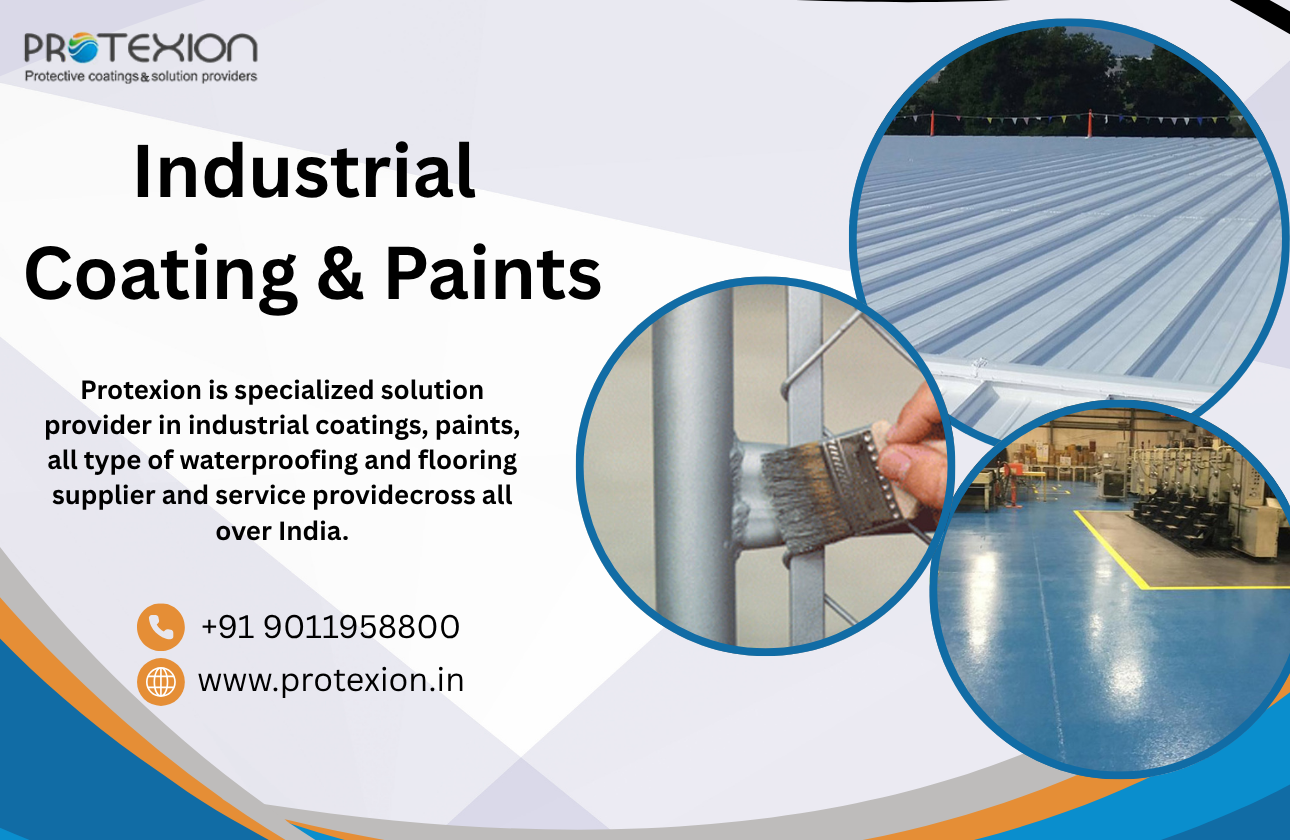
Introduction to Polymeric Membrane Coating
Polymeric membrane coating is an innovative solution that's becoming widely popular in various industrial applications. It's essentially a thin layer of a polymeric material that is applied to surfaces to provide a protective barrier against environmental factors such as moisture, chemicals, and physical wear. The reason these coatings are gaining traction is due to their durability and versatility. They can be used on multiple substrates, including steel, concrete, and wood, making them a go-to choice for engineers and architects looking to enhance the longevity of structures.
Types of Polymeric Membrane Coating
There are several types of polymeric membrane coatings, each tailored to specific applications. The most common types include thermoplastic membranes, elastomeric membranes, and chemical-resistant membranes. Thermoplastic membranes are known for their heat-softening abilities, which allow them to form a seamless barrier, easily covering complex surfaces. Elastomeric membranes offer great flexibility, which makes them ideal for surfaces that may experience movement or stress. Chemical-resistant membranes provide superior protection against corrosive substances, ensuring that materials remain unscathed when exposed to harsh chemicals. Depending on the application, selecting the right type of membrane is essential for achieving the desired outcome.
Applications of Polymeric Membrane Coating
The applications for polymeric membrane coatings are vast and varied, highlighting their versatility and importance in numerous industries. These coatings are predominantly used for waterproofing systems in construction, ensuring that buildings and infrastructures are protected from water damage. They are also essential in the marine industry where coating ships, oil rigs, and other marine equipment protect against saltwater corrosion. In the chemical industry, chemical-resistant coatings are crucial to prevent degradation from chemicals and industrial solvents. Electric insulation coatings are another common application, safeguarding electrical components from moisture and dust.
Benefits of Polymeric Membrane Coating
Polymeric membrane coatings offer a multitude of benefits across various sectors. Their primary advantage is their unparalleled protection against environmental elements. These coatings significantly extend the lifespan of surfaces and structures, resulting in reduced maintenance costs and a lower frequency of repairs. Additionally, polymeric membranes possess excellent flexibility and tensile strength, allowing them to expand and contract with temperature changes without cracking. This is particularly beneficial in regions with extreme climates. Furthermore, these coatings are easy to apply, making them a convenient option for both small and large projects.
Technology Behind Polymeric Membrane Coating
The technology that underpins polymeric membrane coatings is continuously evolving, enhancing their performance and efficiency. Advances in polymer science have led to the development of coatings that are lighter, more resilient, and adaptable to diverse environmental conditions. Modern formulations often incorporate nanotechnology, which provides additional barrier properties and improved resistance to UV radiation, abrasion, and chemical exposure. These technological advancements not only boost the effectiveness of the coatings but also reduce their environmental impact by cutting down on material usage and waste.
Challenges with Polymeric Membrane Coating
Despite their many benefits, polymeric membrane coatings are not without challenges. One of the primary concerns is ensuring proper adhesion to various substrates, which can vary based on surface preparation and ambient conditions during application. Additionally, while these coatings are generally durable, they may require specialized equipment for application, which can increase upfront costs. There is also the consideration of environmental regulations dictating the composition and application of chemical coatings. Thus, staying informed about regulatory compliance is crucial for consumers and manufacturers alike.
Market Trends and Future of Polymeric Membrane Coating
The market for polymeric membrane coatings is on the rise, driven by increasing demand in burgeoning economies and advancements in construction and manufacturing activities. Market trends suggest that ongoing research and development in eco-friendly coatings and solvent-free formulations will play a pivotal role in shaping the future of the industry. As industries continue to prioritize sustainability and performance, the demand for innovative coatings that offer both efficiency and environmental benefits will likely expand, paving the way for further advancements in polymeric membrane coating technology.
Environmental and Safety Considerations
As we advance technologically, it's imperative to consider the environmental and safety implications of polymeric membrane coatings. Many coatings contain volatile organic compounds (VOCs) that can contribute to air pollution and pose health risks during application and curing. Hence, the development of low-VOC or VOC-free formulations is becoming increasingly important. The industry is moving towards more sustainable practices, focusing on reducing chemical waste and utilizing materials that are safe for both the environment and human health.
Conclusion
Polymeric membrane coatings represent a critical innovation in protective coatings, providing essential benefits across various sectors from construction to marine and electronics. With ongoing advancements in technology and a growing need for sustainable solutions, these coatings are likely to play a vital role in future developments. The ability to protect and prolong the life of surfaces while also offering adaptability and ease of application makes them an indispensable tool in modern infrastructure maintenance.
Frequently Asked Questions
1. What is a polymeric membrane coating?
Answer: A polymeric membrane coating is a thin, protective layer of polymer applied to surfaces to guard them against environmental elements like moisture, chemicals, and wear. These coatings are used in a variety of industries for their durability and adaptability.
2. What industries benefit the most from polymeric membrane coatings?
Answer: Industries such as construction, marine, chemical, and electronics benefit significantly from polymeric membrane coatings due to the protective barrier they provide against harsh elements and environmental damage.
3. How do polymeric membrane coatings contribute to sustainability?
Answer: These coatings contribute to sustainability by extending the life of materials, reducing the need for frequent repairs and replacements, and minimizing resource consumption. Advances in low-VOC and eco-friendly formulations further align with sustainable practices.
4. What are the main types of polymeric membrane coatings?
Answer: The primary types include thermoplastic and elastomeric membranes, both of which offer unique properties such as heat softening and flexibility, as well as chemical-resistant membranes that shield surfaces from corrosive substances.
5. Are there any challenges associated with polymeric membrane coatings?
Answer: Yes, challenges such as ensuring proper adhesion to surfaces, potential environmental and health impacts of VOCs, and the need for specialized application equipment can arise. Addressing these challenges involves thorough substrate preparation and choosing the right formulation for specific applications.