
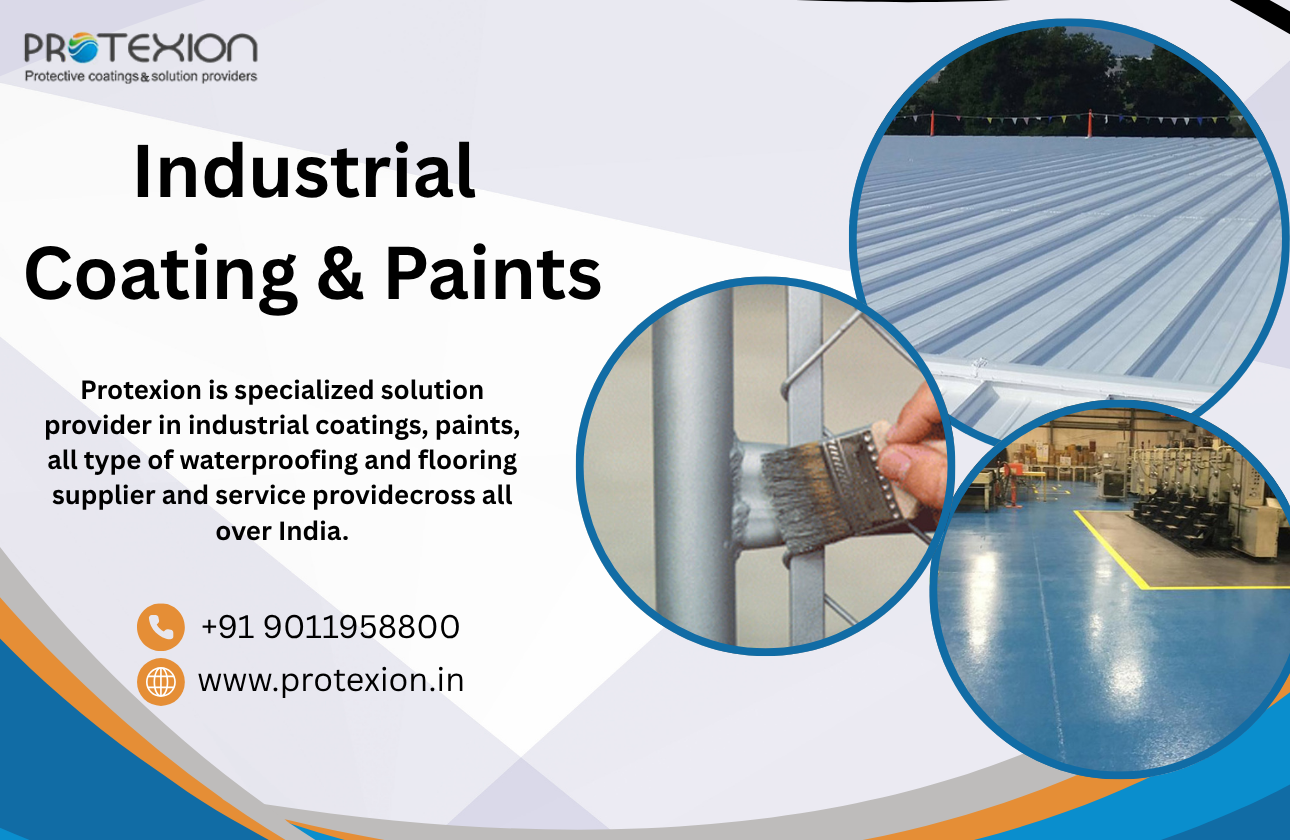
Introduction to Chemical Resistant Coatings
Chemical resistant coatings are specially formulated materials designed to protect surfaces from the corrosive effects of chemicals. These coatings act as a barrier between the surface and potentially harmful substances, preventing damage that can result from exposure. In industries such as pharmaceuticals, petrochemicals, and manufacturing plants, the presence of harsh chemicals is common, making the need for chemical resistant coatings crucial. By providing a protective layer, these coatings can extend the lifespan of equipment and surfaces, minimize maintenance costs, and ensure safety standards are met. The development and application of chemical resistant coatings have advanced over the years to include a variety of materials like epoxies, polyurethanes, and fluoropolymers. Each offers different levels of protection, depending on the environment and chemical exposure expected. One key aspect of these coatings is their ability to be customized for specific conditions. This flexibility is essential for addressing the unique challenges different industries face when it comes to chemical exposure.
What Are Chemical Resistant Coatings?
Chemical resistant coatings are vital for providing protection and durability in environments exposed to corrosive chemicals. Simply put, they're a type of layer applied to surfaces that need to remain unharmed despite exposure to various chemicals. The choice between types of chemical resistant coatings depends on specific needs and conditions. For example, epoxies are known for their strong adhesive qualities and are commonly used in industrial settings where harsh chemicals are present. They are often selected for their superior resistance to many types of acids, solvents, and other aggressive chemicals.
The Benefits of Chemical Resistant Coatings
Applying chemical resistant coatings has a wide range of benefits that make it a valuable investment for industries. One of the main advantages is that it significantly extends the lifespan of the substrates they protect. When surfaces are protected from chemical damage, they can perform better under stress for longer periods, meaning less frequent repairs and replacements. This can result in significant cost savings over time. Additionally, chemical resistant coatings contribute to enhanced safety in the workplace. By preventing corrosion and other chemical-related damage, the coatings help maintain the structural integrity of materials, which reduces the risk of catastrophic failures that can injure workers or lead to environmental spills. Enhanced safety not only protects employees but also ensures compliance with stringent industrial safety standards.
Applications of Chemical Resistant Coatings
Chemical resistant coatings find applications in various sectors, including manufacturing, healthcare, agriculture, and marine industries. In the manufacturing sector, they are used on processing equipment, storage tanks, pipelines, and floors to safeguard against chemical spills and leaks. Healthcare facilities utilize these coatings in medical labs and cleanrooms where sanitation and protection from biohazards are paramount. In agriculture, equipment and facilities dealing with fertilizers and pesticides benefit from coatings that resist chemical breakdown. Marine coatings protect vessels and offshore structures from the harsh chemical environments of saltwater and other marine activities. Moreover, chemical resistant paints are popular in public infrastructure projects, where they protect bridges and transportation structures from harmful deicing chemicals.
Chemical Resistant Paint
Chemical resistant paints function similarly to their coating counterparts but with a few distinctions. While coatings are generally thicker and used primarily in industrial settings, paints offer a more aesthetic finish while still providing protective properties. Made from specially formulated resins and additives, these paints offer resistance against acids, alkalis, and solvents. They are commonly applied in environments where both aesthetics and protection are needed, like in laboratories, hospitals, or even commercial settings such as food processing plants. The main advantage of chemical resistant paint over traditional paints lies in its enhanced ability to withstand rigorous cleaning processes and frequent exposure to chemicals without degrading.
Choosing the Right Chemical Resistant Solutions
When it comes to selecting the right chemical resistant coatings or paints, one must consider the specific environmental needs and chemical exposures. Not all coatings provide the same level of protection, so understanding the chemistry involved is crucial. High-performance coatings and paints are tailored to endure various conditions, from extremely abrasive to relatively mild chemical exposures. Consulting with experts or utilizing resources like Chemical-Resistant-Coatings can ensure that you invest in the right materials for your application. Factors such as temperature, pressure, and the specific chemicals involved must be assessed for optimal results.
Maintaining Chemical Resistant Coatings
A vital aspect of using chemical resistant coatings is proper maintenance. Ensuring that coatings are applied correctly, and regular inspections are performed, extends their effectiveness and product life. This involves periodic checking for wear and tear, especially in high-stress environments. Regular maintenance will help spot any potential weaknesses before they lead to more significant issues, preserving both the safety and functionality of the protected surfaces. Involving professional services that specialize in Waterproofing Contractors can enhance the longevity and effectiveness of your chemical protective systems.
Future Trends in Chemical Resistant Technology
The field of chemical resistant coatings and paints continues to evolve, with new innovations on the horizon. As environmental standards become more stringent, the development of eco-friendly, non-toxic formulations is gaining traction. Additionally, advancements in nanotechnology promise to enhance the performance of protective coatings. These developments aim to create smarter coatings that can self-heal, change color as a warning mechanism, or adapt to different environmental conditions. As of now, these technologies are in research stages but hold a promising future for the industry.
Frequently Asked Questions
1. What is the difference between chemical resistant coatings and chemical resistant paint?
Answer: Chemical resistant coatings are often thicker and used in industrial settings, offering higher durability. In contrast, chemical resistant paints typically have a more decorative finish and are used where aesthetics are also a concern.
2. Can chemical resistant coatings be applied to any surface?
Answer: Almost. They can be applied to a wide range of surfaces like metal, concrete, and wood, but the surface always needs to be prepared properly to ensure the coating adheres correctly.
3. How long do chemical resistant coatings last?
Answer: This depends on the environment and the specific coating used. Generally, if maintained well, these coatings can last for several years, providing durable protection.
4. Are there eco-friendly options for chemical resistant coatings?
Answer: Yes, advancements in technology have led to the development of more eco-friendly options, although traditional methods are still widely used.
5. How can I choose the right type of chemical resistant coating?
Answer: Evaluate the specific chemicals your surfaces will be exposed to, as well as environmental factors such as temperature and humidity, to select the most suitable coating. Consulting experts or suppliers is highly recommended.