
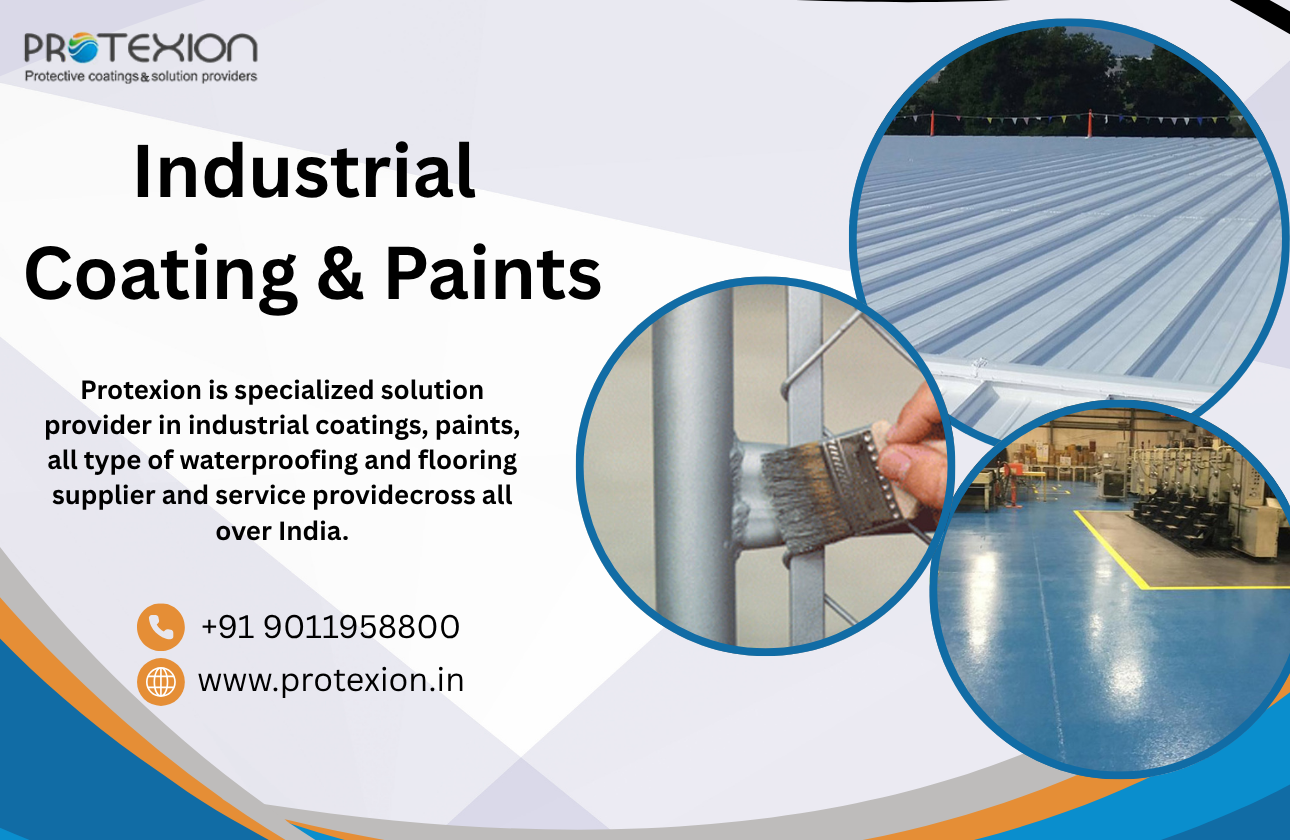
Introduction to Acid Resistant Coating
Have you ever noticed how certain environments, like industrial facilities, are prone to corrosion and chemical damage? Acid resistant coatings are a game-changer here, providing a protective layer that prevents corrosive damage from acids and harsh chemicals. These coatings are essential for environments subject to chemical exposure, which could include everything from chemical plants to storage tanks, and laboratory floors. Their role is to offer robust protection, enhancing the longevity and safety of the facilities. This protection is crucial not only for ensuring the lifespan of the infrastructure but also for maintaining safety standards in these challenging environments. They provide peace of mind to facility managers and industrial workers by safeguarding against potential damages that acidic environments can cause. Furthermore, selecting the right acid resistant coating can improve operational efficiency and reduce maintenance costs significantly, proving to be a cost-effective solution in the long run. For those working in industries where acid exposure is a common challenge, understanding these coatings could make a considerable difference in managing assets effectively.
How Acid Resistant Coatings Work
So, how exactly do these coatings work? Acid resistant coatings create a barrier on the surface, which doesn't let acids or harsh chemicals penetrate. They are engineered to withstand exposure to both inorganic and organic acids, which makes them suitable for a variety of applications. These coatings come in different formulations—some based on epoxy resins, while others might use polyurethane, among other materials. The choice of material often depends on the specific need of the application, such as the level of chemical resistance required or the environmental conditions in which the coating will be used. By forming an impermeable layer, these coatings prevent the chemical breakdown of materials, prolonging their usability and decreasing the likelihood of failure. This can be especially crucial for facilities dealing with volatile substances or operating under harsh conditions, making chemical resistant coatings indispensable.
Acid Resistant Paint: An Effective Solution
Sometimes, you might hear people use the terms 'coating' and 'paint' interchangeably, but there are differences, especially in the context of acid resistance. Acid resistant paints serve a similar purpose—they protect surfaces from acid damage. However, paints are often more cost-effective and easier to apply than some coatings. They're suitable for environments that require less rigorous protection but still benefit from a coating of defense. This is not to undermine their effectiveness, though. When applied properly, acid resistant paint can provide a durable shield against corrosive elements, similar to that offered by more complex coatings. They come in various colors, offering an aesthetic choice along with protection. But it's essential to note that, while paints have their merits, high-strength coatings might be preferred for more intense industrial scenarios. You can find more about these solutions in places like storage or production facilities where chemicals are used daily.
The Benefits of Acid Resistant Solutions
The benefits of using acid resistant coatings and paints extend beyond just protection against chemical damage. They also contribute to maintaining the structural integrity of facilities, ensuring that equipment and surfaces last longer and perform better. This is particularly beneficial in industries where shutdowns due to maintenance can lead to significant financial losses. These coatings help mitigate such risks by prolonging intervals between maintenance sessions. They also enhance safety by reducing the risk of accidents and deteriorations, which is invaluable in maintaining a safe working environment. Moreover, these coatings are an eco-friendly solution. By extending the lifespan of substrates, they reduce the need for frequent replacements, thereby contributing to sustainability efforts in industries. Considering their multi-faceted advantages, adopting these coatings is a wise investment for both industrial and commercial spaces.
Applications of Acid Resistant Coatings and Paints
When it comes to applications, acid resistant coatings and paints are versatile. You'll find them in sectors like pharmaceutical, chemical manufacturing, and food processing, where they are critical in lining storage tanks, piping systems, and floors. They're also used in the water treatment industry, protecting various components that come in contact with acids. In laboratories, these coatings are found on walls, worktops, and floors, offering protection from spills. Beyond industrial applications, you'll also see them in everyday environments like pools and kitchens, reflecting their adaptability to different needs. The choice between coatings and paints hinges on factors like exposure level and budget, but both play significant roles in their respective niches.
Choosing the Right Acid Resistant Coating
Choosing the right acid resistant coating or paint involves assessing several factors. First, consider the type of acid and concentration levels your surfaces will be exposed to. Next, consider the environmental conditions, like temperature and humidity, as certain coatings perform better under specific conditions. It's also important to consider the surface material, as this can affect how well the coating adheres and performs. Consulting with experts or manufacturers can help you make an informed decision. If you're looking for more advanced solutions, such as those that combine a protective anti-corrosion element, it might be wise to explore zinc-rich coatings for added benefits.
Application Tips for Acid Resistant Coatings and Paints
Applying acid resistant coatings and paints properly is crucial for ensuring their effectiveness. Before application, the surface should be thoroughly cleaned and prepared to remove any contaminants that might affect adhesion. The environment should also be controlled, with adequate ventilation and temperature management, to facilitate optimal curing of the coating. Depending on the formulation, multiple coats may be required to achieve the desired thickness and durability. It's also important to follow the manufacturer's instructions regarding drying times and re-coating intervals. While this process might seem tedious, following these steps ensures that you maximize the protection that these coatings provide. For comprehensive application guidance, consider professional services or manufacturers like those providing waterproofing systems expertise.
Maintaining Acid Resistant Coatings and Paints
Once applied, maintaining your acid resistant coatings and paints will help prolong their lifespan and performance. Regular inspections should be conducted to identify any potential wear or damage. Cleaning should be done using non-abrasive methods, and care should be taken to avoid using harsh cleaning agents that could degrade the coating over time. Periodic reapplication may be necessary, depending on wear, exposure, and the specific environment. While these coatings are designed to withstand challenging conditions, maintenance ensures that they continue performing optimally for as long as possible.
Frequently Asked Questions
1. What is the difference between acid resistant coatings and paints?
Answer: Acid resistant coatings are more robust and engineered to withstand more severe chemical exposures than paints, making them ideal for heavier industrial use. In contrast, acid resistant paints offer sufficient protection in less demanding settings while being more budget-friendly.
2. Can acid resistant coatings and paints be used together?
Answer: Yes, in some cases, a combination of both can be applied, with coatings providing tough resistance and paints offering additional protective layers. This combination can be particularly useful where varying levels of exposure are found in different areas.
3. How do I choose the right product for my needs?
Answer: Consider the type and concentration of acids involved, the environmental conditions, and the substrate. Consulting with a specialist or manufacturer can guide you effectively.
4. Are acid resistant coatings and paints safe for all environments?
Answer: While they are safe for most applications, it's important to ensure they are suitable for your specific environment. Understanding each product's safety data sheet is crucial to check compatibility with your intended use.
5. How long do these coatings typically last?
Answer: The longevity of acid resistant coatings and paints depends on usage, exposure to chemicals, and maintenance practices. Generally, they can last for several years with proper care, but regular assessments are recommended for ensuring longevity.