
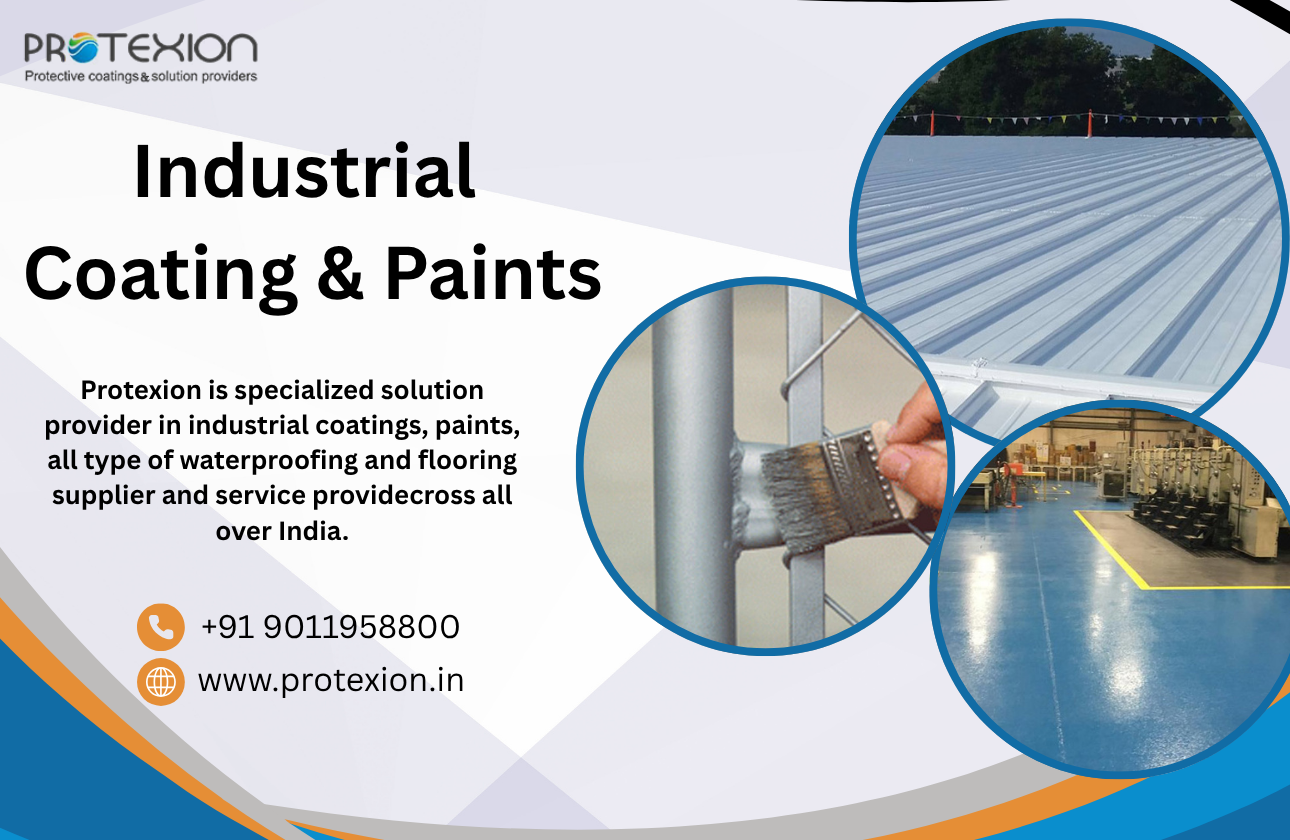
Introduction to Acid Resistant Coatings
Acid resistant coatings are a crucial part of industrial maintenance, known for their ability to protect surfaces from harsh chemical exposures. These coatings are applied to a variety of materials including metals, concrete, and other substrates to shield them from corrosive acids. By forming a protective barrier, they help extend the lifespan of industrial equipment, buildings, and surfaces. Industries such as manufacturing, chemical processing, and wastewater management regularly use acid resistant coatings to ensure the durability and safety of their operational environments. Without these coatings, materials would quickly degrade, leading to costly repairs and unsafe work conditions. The formulation of these coatings involves the use of special resins and additives that are optimized for resistance against specific acid types.
Characteristics of Acid Resistant Coatings
The effectiveness of an acid resistant coating depends largely on its composition. Typically, these coatings are made from materials like epoxy, polyurethane, or fluoropolymer. Each type has its own set of properties that make it suitable for protecting against certain acids or environmental conditions. Epoxy-based coatings, for example, are excellent for high durability needs and provide robust resistance to a wide range of acids. Polyurethane coatings offer flexibility, which is useful in environments where surface movement might occur. The choice of coating often depends on several factors including the type of substrate, the specific acids encountered, and the operational conditions.
Applications of Acid Resistant Coatings
Acid resistant coatings are indispensable in many industries for a variety of applications. They are typically used in chemical plants, where exposure to aggressive acids is a constant threat to structural integrity. In wastewater treatment facilities, these coatings protect surfaces from the corrosive nature of sewage and treatment chemicals. They're also used in the healthcare industry, protecting surfaces that are frequently sterilized with harsh cleaning agents. Moreover, they play a key role in agriculture by coating equipment that could be exposed to fertilizers and other acidic compounds. The flexibility and strength of an acid resistant coating are essential in preventing leaks and ensuring that facilities operate safely and efficiently.
Benefits of Using Acid Resistant Paint
Unlike other coatings, acid resistant paint provides a dual benefit: aesthetic improvement and functional protection. While coatings are typically clear or neutral, paints can be tinted to fit the aesthetic needs of a space, all while retaining their protective qualities. This is particularly useful in commercial spaces where looks matter just as much as functionality. Acid resistant paints are often easier to apply than coatings, making them an excellent choice for areas that need frequent repainting or touch-ups. They not only protect surfaces from acid damage but also improve the visual appeal of industrial sites, warehouses, and utility rooms.
Choosing Between Acid Resistant Coatings and Paints
Choosing between an acid resistant coating and paint often depends on specific project needs. Coatings are preferred for heavy-duty applications requiring maximum protection, as they tend to be thicker and more durable. Paints, on the other hand, are ideal for less demanding situations where visual appeal is also an important consideration. Factors such as the environment, the type of acid exposure, and the desired longevity play crucial roles in decision making. Some projects might even benefit from a combination of both, applying a coating for its protective properties and a paint for aesthetics. Understanding these differences is critical for selecting the correct product for your application needs. More on chemical resistant coatings.
Installation and Maintenance Tips for Acid Resistant Solutions
Installing acid resistant coatings and paints requires proper surface preparation to ensure effective adhesion and performance. Surfaces should be cleaned and roughened as necessary before application. It’s vital to follow manufacturer guidelines to achieve the desired thickness and coverage. Once applied, regular maintenance checks are essential. Although these coatings are designed to withstand acidic environments, routine inspections help identify any areas of wear or damage early on. This proactive approach can prevent costly repairs and prolong the effectiveness of the coating or paint, ensuring ongoing protection for your industrial spaces.
Frequently Asked Questions
1. How do acid resistant coatings and paints differ?
Answer: The key difference between acid resistant coatings and paints lies in their composition and application. Coatings are generally more robust and offer a higher degree of protection, which is essential for critical industrial applications. In contrast, paints are often selected for their dual benefits of protection and aesthetic enhancement, making them suitable for areas where appearance is important but conditions are less extreme.
2. Can acid resistant coatings be applied to all surfaces?
Answer: Not all surfaces are suitable for acid resistant coatings, as the adhesion and effectiveness depend on the surface material and condition. Common substrates include metal and concrete, but the surface must be properly prepared and cleaned to ensure good adhesion. It's critical to choose the right coating material specific to the substrate to avoid failures.
3. Are there environmentally friendly options for acid resistant coatings?
Answer: Some manufacturers are developing more environmentally friendly acid resistant coatings using water-based formulations and low volatile organic compounds (VOCs). These options reduce the environmental impact and improve safety for applicators during installation. However, they still need to meet the specific protection criteria to be effective in industrial applications.
4. What is the lifespan of an acid resistant coating?
Answer: The lifespan of an acid resistant coating depends on several factors such as the type of coating, environmental conditions, and the level of exposure to acids. With proper maintenance, these coatings can last many years. Regular inspections and touch-ups are recommended to maintain their protective qualities over time.
5. Can I use acid resistant coatings for home applications?
Answer: While primarily designed for industrial use, acid resistant coatings can also be beneficial in certain home environments where harsh chemical exposure may occur, such as garage floors or workshops. It's important to ensure that the chosen product is suitable for the specific application and surface type. For residential uses, consulting with a professional is advisable to choose the most appropriate solution.