
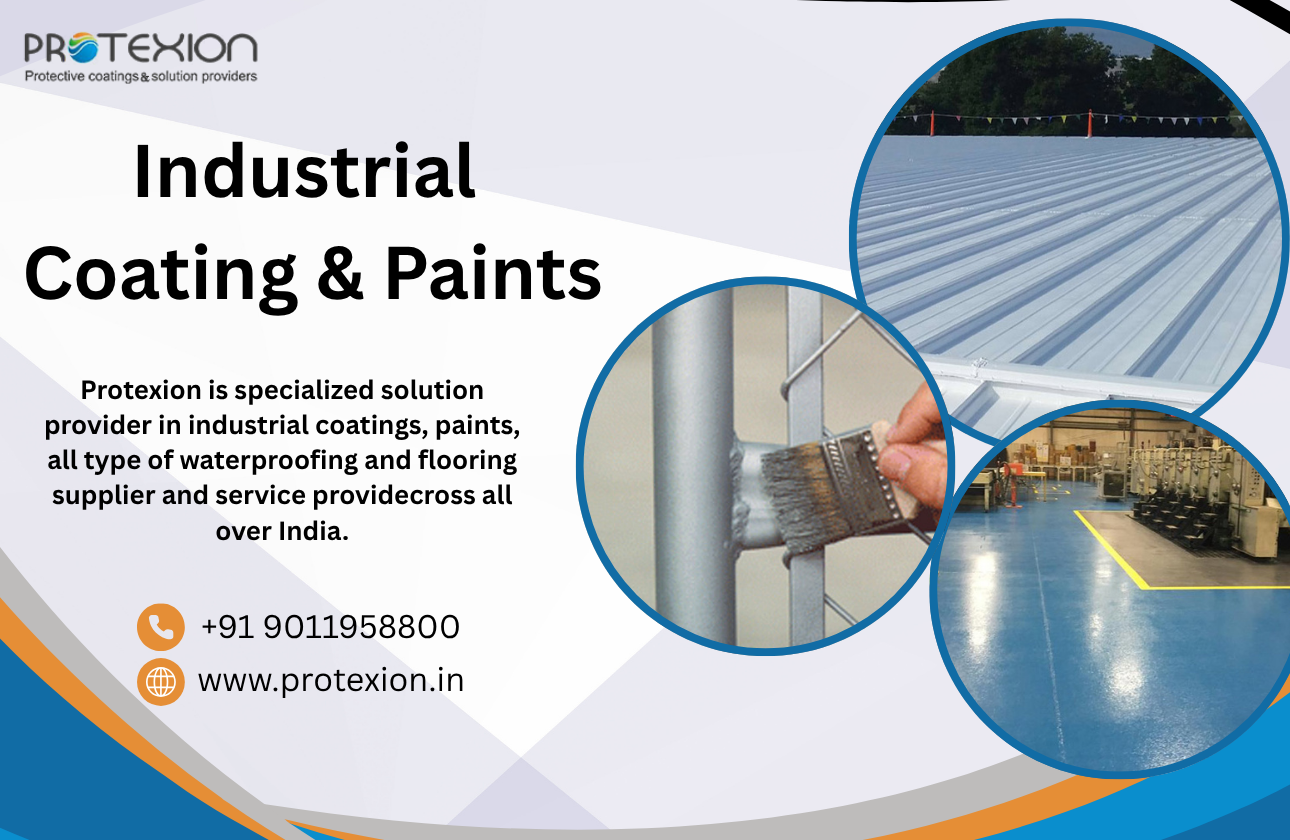
What is Epoxy Floor Coating?
When it comes to flooring solutions, epoxy floor coating is becoming increasingly popular due to its durability and versatility. So, what exactly is an epoxy floor coating? Essentially, it's a material that's made up of two components - a resin and a hardener. These two elements are mixed to form a tough, long-lasting coating that can be applied over concrete floors. The result is a surface that's resistant to wear, chemicals, stains, and impact, making it ideal for both industrial and commercial applications. Learn more about epoxy floor coating in depth.
Applications of Epoxy Floor Coating
Epoxy floor coatings are used in a wide range of environments. From garage floors to hospitals to retail spaces, the list of possible applications is extensive. In industrial settings, these coatings are valued for their resistance to heavy machinery and chemical spills. In commercial spaces, they provide an attractive, easy-to-clean surface. Moreover, due to their slip-resistant nature, they contribute to a safer work environment. Each setting might call for a different type of epoxy solution, tailored to meet specific requirements like UV resistance or antimicrobial properties. Explore more applications of epoxy floor coating.
The Benefits of Using Epoxy Floor Coating
One of the main reasons to use epoxy floor coating is its durability. These coatings can withstand heavy foot traffic and equipment, which is why they are often used in industrial and commercial settings. Besides its durability, epoxy flooring is also aesthetically pleasing. It can be customized with different colors and finishes, making it suitable for various design schemes. Furthermore, epoxy floors are easy to maintain. Regular sweeping and occasional deep cleaning are enough to keep them in top shape. Discover more benefits of epoxy floor coatings.
Preparing Your Floor for Epoxy Coating
Before applying epoxy coating, it's vital to prepare the floor properly to ensure a successful application. Start by cleaning the floor to remove all dirt, grease, and stains. Next, you might need to fill in any cracks or holes in the concrete surface. Grinding or shot blasting the floor is recommended to remove any previous coatings and to open up the floor's pores, allowing better adhesion. Lastly, ensure that the area is well-ventilated and dry because moisture can prevent the epoxy from setting correctly. This preparation is crucial for achieving the maximum lifespan and effectiveness of your epoxy floor coating. Read more about floor preparation techniques.
Applying Epoxy Floor Coating
The application of epoxy floor coating is a multi-step process that requires careful attention at every stage. Begin by ensuring your epoxy mix is prepared according to the manufacturer's instructions. Then, apply a primer layer to the prepared surface, which acts as a base for the epoxy. Once the primer sets, usually after several hours, you can apply the first coat of epoxy. Use a roller or brush for even distribution. A second coat usually enhances its appearance and strength. Each layer typically needs around 24 hours to cure, so ensure the area remains undisturbed during this time. Get more information about application techniques.
Maintenance of Epoxy Flooring
After the installation of epoxy flooring, maintaining it is relatively straightforward. Regular cleaning is necessary to keep the surface looking its best. Sweep the floor daily to remove dirt and debris, and mop it regularly with a gentle detergent and water to tackle more stubborn stains. While epoxy is resistant to stains and chemicals, it's a good idea to clean spills quickly to prevent any potential damage. Avoid harsh cleaning agents and use a soft mop to avoid scratches on the surface. With the right care, epoxy flooring can last for many years, delivering both functionality and beauty to your space. Find more tips on maintaining epoxy floors.
Choosing the Right Type of Epoxy Coating
There are several types of epoxy coatings available, and the best choice depends on the specific needs of your space. Self-leveling epoxy is great for creating smooth surfaces, while epoxy mortar is perfect for repairing damaged concrete and heavy industrial use. There are also quartz-filled epoxies, which offer both durability and aesthetics. For environments where safety is a concern, anti-static epoxy coatings might be necessary as they help reduce electro-static discharge. When selecting your epoxy coating, consider factors like traffic levels, exposure to chemicals, and desired appearance. Learn how to choose the right epoxy for your needs.
Frequently Asked Questions
1. How long does epoxy floor coating last?
Answer: Epoxy floor coatings are known for their longevity. When applied correctly and maintained properly, they can last anywhere from 10 to 20 years, depending on the traffic and environmental conditions.
2. Can epoxy floor coatings be applied over existing flooring?
Answer: Yes, but the existing floor must be thoroughly prepared to remove any contamination or finish that might prevent proper adhesion. It's essential to consult with a professional for the best results.
3. Is epoxy floor coating suitable for homes?
Answer: Absolutely, epoxy flooring is not only for industrial and commercial use; it's an excellent choice for residential garages, basements, and even kitchen floors due to its durability and aesthetic versatility.
4. How much does it cost to install epoxy flooring?
Answer: Costs vary widely based on the complexity of the job, the area covered, and the type of epoxy used. On average, you might expect to pay between $3 to $12 per square foot.
5. Are epoxy floors slippery?
Answer: While epoxy floors can be slippery when wet, additives can be incorporated during installation to create a non-slip surface. These are especially useful in environments where safety is a top priority.