
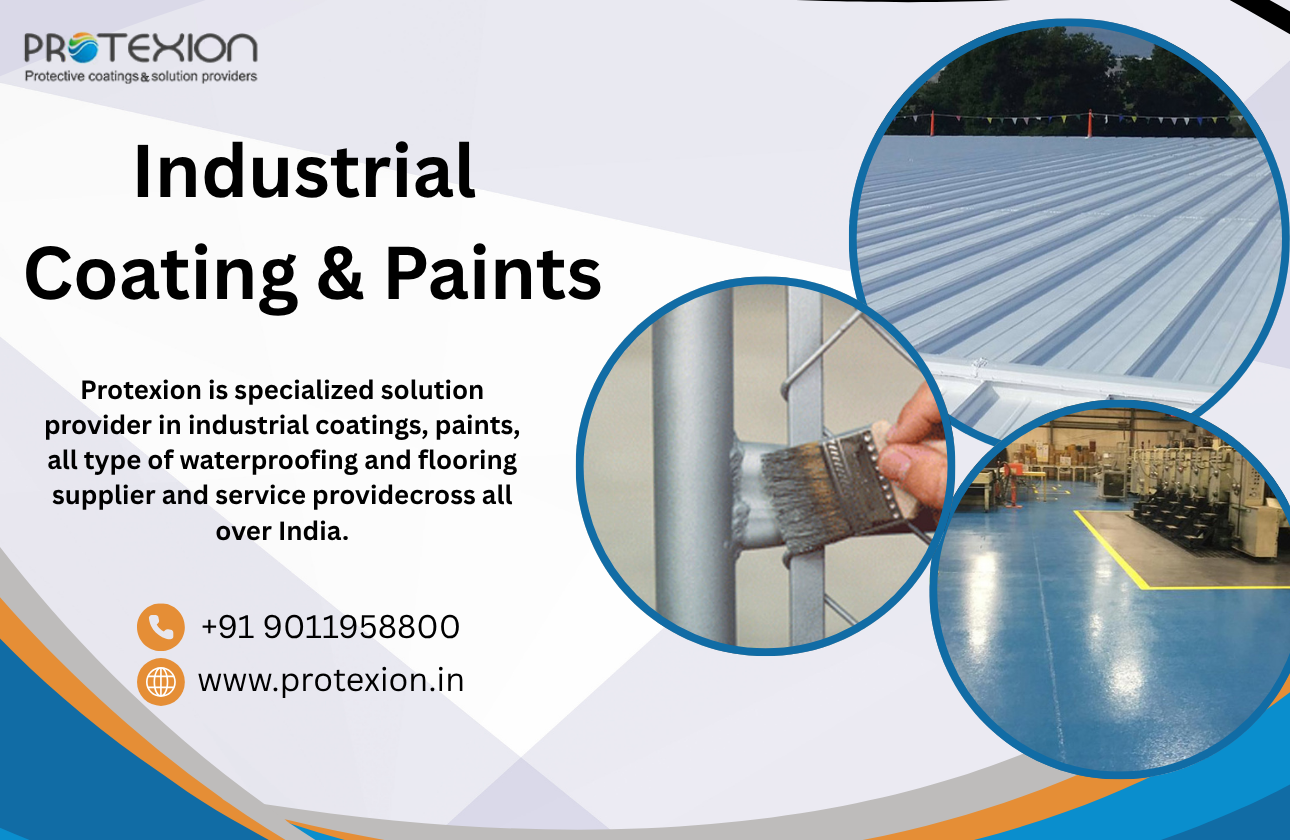
Introduction to Anti-Corrosion Coating
When it comes to protecting metal surfaces from deterioration, anti-corrosion coatings are a top choice. These coatings work as a barrier to prevent moisture and salts from coming into contact with metal, thus stopping rust from forming. Understanding these coatings helps us appreciate their importance in prolonging the life of materials, especially in harsh environments. From pipelines in the oil industry to construction machinery, these coatings find broad applications. Let's explore what makes them so effective and why they are a key player in various industries.
How Anti-Corrosion Coating Works
Anti-corrosion coatings work primarily by creating a physical barrier to block corrosive elements. They often consist of complex chemical compositions that react with the metal surface to form a protective layer. Some coatings even contain chemicals that can absorb moisture, further enhancing their protective capabilities. Additionally, these coatings can provide an aesthetic appeal while ensuring durability. Notably, these types of coatings are tailored for specific needs—whether for offshore platforms or automotive industries—and their adaptability makes them crucial for maintaining metal integrity across different scenarios.
Types of Anti-Corrosion Coatings
There are various types of anti-corrosion coatings available, each designed for specific conditions. Epoxy coatings, known for their strong adhesion properties and chemical resistance, are commonly used in harsh environments. Zinc-rich coatings offer galvanic protection, as they contain high levels of zinc powder that shields the underlying metal. Zinc-rich coatings and paints are especially beneficial in marine and coastal applications due to their extreme protective properties. Each type of coating serves unique purposes and is chosen based on the specific environmental conditions a material will face.
Benefits of Anti-Corrosion Coatings
The benefits of anti-corrosion coatings are vast and impactful. These coatings significantly increase the lifespan of metals, reducing the need for constant repairs or replacements. By preserving structural integrity, they provide significant cost savings in maintenance and material costs. Moreover, these coatings improve safety by ensuring that structures vulnerable to corrosion do not fail unexpectedly. Industries such as automotive, marine, and construction heavily rely on these coatings to enhance durability and ensure environmental safety by preventing the release of corroding particles into the environment.
Common Applications of Anti-Corrosion Coatings
Anti-corrosion coatings find use in a wide array of industries and applications. In the marine industry, they protect vessels and platforms exposed to salty water and air. The automotive industry uses these coatings to ensure the longevity of vehicles, especially in parts exposed to environmental elements like rain and salt. Construction companies apply these coatings to protect buildings and infrastructure from environmental stressors. Moreover, they are essential in the energy sector, safeguarding pipelines and equipment from operational wear and tear. The versatility of these coatings underscores their critical role in modern industry applications.
Challenges in Using Anti-Corrosion Coatings
Despite their effectiveness, using anti-corrosion coatings presents certain challenges. Selecting the right type of coating for a specific environment is crucial, as using the wrong one can lead to premature failure and increased costs. Additionally, the application process can be intricate, requiring skilled labor to ensure proper adhesion and coverage. Environmental regulations can impact the formulations used, limiting certain chemicals that have historically been effective. Managing these challenges ensures optimal performance and safety over the coating's lifespan.
Introduction to Anti-Corrosion Paint
Anti-corrosion paint serves a similar purpose to coatings but is typically easier to apply and more suitable for lighter protection tasks. Like coatings, these paints form a protective layer over metals, preventing environmental factors from initiating the corrosion process. They are highly versatile and can be used on a variety of surfaces. The application process is similar to traditional painting, making it accessible to a broad range of users, from industrial applications to residential projects.
Composition and Function of Anti-Corrosion Paint
The composition of anti-corrosion paint often includes rust-inhibitive pigments, binders, and solvents. These components work together to protect metal surfaces by blocking moisture and other corroding elements. Unlike some coatings, these paints are straightforward to apply with brushes or sprays, which makes them practical for maintenance tasks. Anti-corrosion protective coatings are also a popular choice when easy application and quick drying times are priorities. This usability factor makes corrosion-resistant paints a favorite for quick-fix solutions and preventative measures.
Advantages of Anti-Corrosion Paint
The use of anti-corrosion paint comes with several advantages. They are generally more economical than coatings and can be applied over existing paintwork. This makes them accessible for smaller projects or maintenance tasks in residential settings. The aesthetic choice is another advantage, where an array of color options ensures matching any design requirement. In industries, they facilitate quick repairs and provide supplementary protection against corrosion. Their ease of application, combined with effective performance, makes them a preparable option for many contexts.
Industries Benefiting from Anti-Corrosion Paint
Various industries benefit from anti-corrosion paints, leveraging their capabilities for both maintenance and aesthetic purposes. For instance, the construction industry applies these paints to window frames and metal structures to extend their life and enhance appearance. In the automotive industry, they are used in bodywork repairs, extending life without expensive overhauls. The marine sector also benefits by applying them to structures that need occasional quick maintenance. By providing a balance of protection and visual appeal, these paints support longevity in multiple sectors.
Comparing Anti-Corrosion Coatings and Paints
While both anti-corrosion coatings and paints have protective roles, they differ in application and use. Coatings often provide more robust protection, suitable for heavy industrial use where long-term resilience is necessary. In contrast, paints offer ease of application and flexibility, making them appropriate for lighter-duty or decorative uses. The choice between the two often depends on the specific needs of a project, balancing factors like environment, budget, and longevity. Understanding when to use each type enhances project outcomes and resource efficiency.
Choosing the Right Solution
Choosing between anti-corrosion coatings and paints requires a clear assessment of the environment and project needs. For severe conditions, a robust solution like chemical-resistant coatings might be necessary. For day-to-day protection, anti-corrosion paint can often suffice by providing adequate shield at lower costs. Consulting with professionals helps determine the best solution, ensuring safety and effectiveness in protecting valuable assets.
Frequently Asked Questions
1. What are Anti-Corrosion Coatings?
Answer: They are specialized coatings that prevent corrosion by forming a protective barrier. They are used to shield metal surfaces from moisture, salt, and other corrosive environments.
2. How Are Anti-Corrosion Coatings Applied?
Answer: These coatings are generally applied using methods like spraying, brushing, or dipping, depending on the surface and environment of application.
3. What's the Difference Between Anti-Corrosion Coating and Anti-Corrosion Paint?
Answer: Coatings usually provide heavier protection and are used for industrial purposes, while paints are easier to apply and suitable for lighter protection tasks.
4. Can Anti-Corrosion Paint be Used Over Existing Paint?
Answer: Yes, it can often be applied over existing paint to enhance protection, provided the underlying layer is intact and the surface is properly prepared.
5. What Industries Use Anti-Corrosion Coatings the Most?
Answer: Industries such as marine, automotive, and construction heavily rely on these coatings for protection against environmental wear and tear, ensuring structural integrity and longevity.