
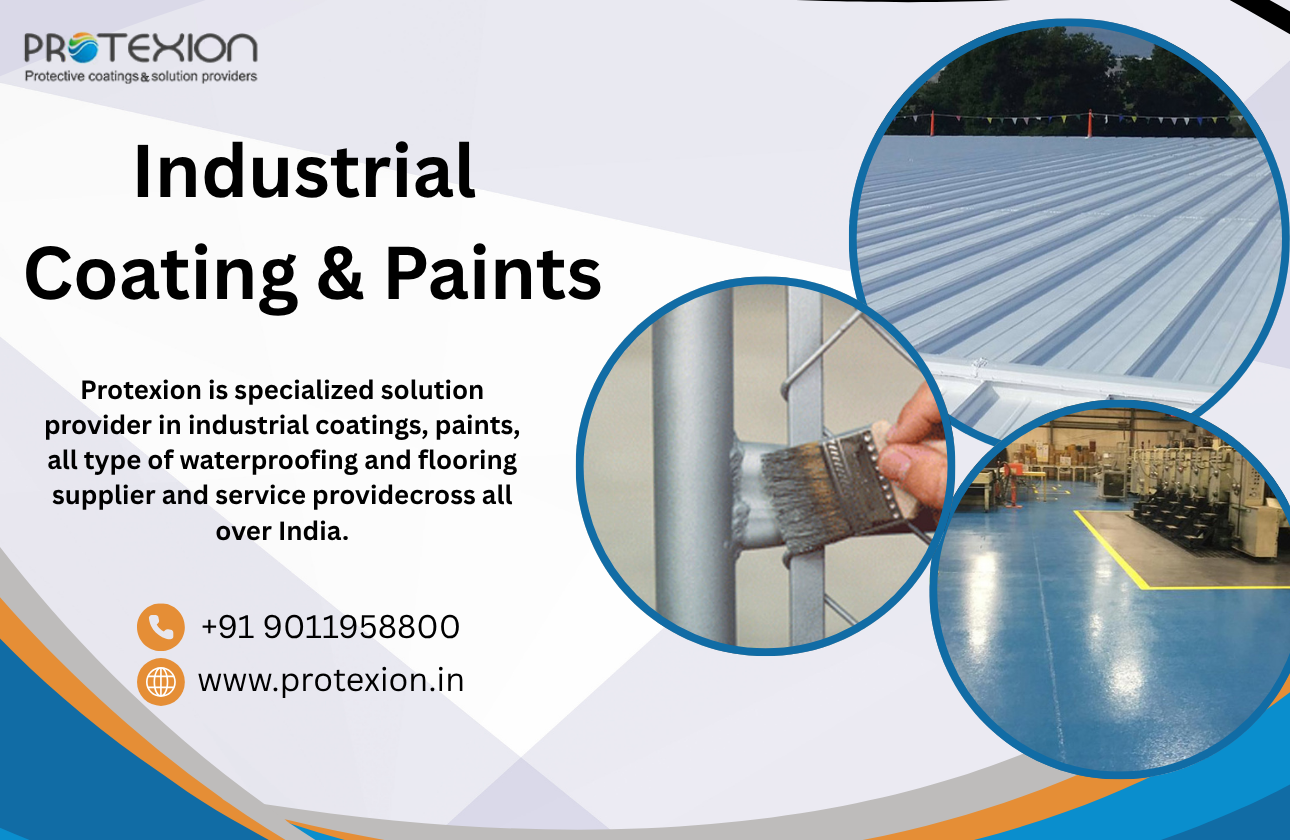
Introduction to Chemical Resistant Coatings
Chemical resistant coatings play a critical role in protecting surfaces from chemical exposure. Used across various industries, these coatings provide a shield that helps prevent damage from corrosive substances. Whether it's an industrial plant exposed to harsh chemicals or a laboratory requiring a sterile environment, chemical resistant coatings ensure the integrity and safety of structures and surfaces.
Why Chemical Resistant Coatings Matter
Imagine working in an environment where chemicals are routinely handled. The risk of spillage or exposure to these chemicals can lead to structural damage or health hazards. That's where chemical resistant coatings come into play. They help contain spills and reduce the risk of surface degradation. This protection is crucial in industries such as pharmaceuticals, petrochemicals, and food processing, where corrosion or contamination can result in significant operational challenges.
Applications of Chemical Resistant Coatings
From massive storage tanks to small laboratory surfaces, chemical resistant coatings are utilized in a plethora of applications. Their versatility makes them an invaluable asset for facilities dealing with hazardous substances. These coatings are not limited to industrial use; they're also beneficial in residential settings where exposure to cleaning agents and other chemicals is common. By providing a robust barrier, these coatings help maintain material integrity and prevent costly repairs.
Types of Chemical Resistant Coatings
The world of chemical resistant coatings is diverse. Silicone, fluoropolymer, and epoxy are some of the common materials. Each type offers unique benefits, from temperature resistance to enhanced durability. For instance, epoxy coatings are particularly popular for their strong adhesion and resistance to wear. Depending on the application, choosing the right chemical resistant coating can significantly enhance performance and longevity of the protected surface.
Comparing Chemical Resistant Coatings and Paints
While coatings and paints may seem similar, they serve different purposes. Chemical resistant paints tend to be thinner and are often used for aesthetic purposes on top of the protective layer. Coatings, on the other hand, are thicker and specifically designed for their protective characteristics. Both can be used together to provide comprehensive surface protection that is both functional and visually appealing.
Key Benefits of Chemical Resistant Coatings
Investing in chemical resistant coatings brings a host of benefits. They extend the lifespan of infrastructure, reduce maintenance costs, and enhance workplace safety. In areas vulnerable to chemical exposure, such as storage units or production floors, these coatings prevent corrosion, which is essential for maintaining operational efficiency. The return on investment for high-temperature coatings and other chemical resistant solutions is evidenced through reduced downtime and increased safety, which are paramount for any business.
Choosing the Right Chemical Resistant Coating
Selection depends on several factors including the specific chemicals involved, application surface, and environmental conditions. Consulting with experts or referring to manufacturer guidelines can ensure you pick the most suitable product. It's crucial to evaluate the chemical resistance chart of a potential coating, which provides insight into its performance against particular substances. Partnering with professionals who understand your industry needs is beneficial in making informed decisions.
Installation of Chemical Resistant Coatings
Proper installation of chemical resistant coatings ensures their effectiveness. This requires surface preparation, including cleaning and priming, to ensure the coating adheres appropriately. Epoxy floor coatings need even more precision due to their thick application. Professionals often recommend applying these coatings in layers to build robust protection. Considerations such as curing time and ambient temperature are vital for optimal results.
Maintenance and Longevity
Once applied, regular maintenance can significantly enhance the lifespan of these coatings. Regular inspections to check for any cracks or peeling can prevent bigger issues down the line. Minor damages should be repaired immediately to maintain the protective seal. Being proactive with maintenance ensures the coating continues to withstand its chemical environment, providing lasting protection for your assets.
Advancements in Chemical Resistant Coatings
The field of chemical resistant coatings is continually evolving, with advancements aimed at improving durability and environmental safety. Innovation has led to eco-friendly options that provide the same level of protection with a reduced environmental impact. Innovations like cool roof coatings offer additional benefits like energy efficiency, making them a popular choice among environmentally conscious businesses.
Frequently Asked Questions
1. What industries benefit most from chemical resistant coatings?
Answer: Industries such as pharmaceuticals, petrochemicals, food processing, and manufacturing often require chemical resistant coatings. These sectors deal with various chemicals that could damage surfaces without proper protection.
2. Are chemical resistant coatings environmentally friendly?
Answer: Many modern chemical resistant coatings are designed to minimize environmental impact. Manufacturers are developing greener formulations that don't compromise performance. Choosing the right product can offer protection while supporting sustainability goals.
3. How do I choose the right chemical resistant coating for my needs?
Answer: Determine the specific chemicals you'll be dealing with, and consider the application environment. Consulting with experts or reviewing the manufacturer's chemical resistance chart can guide you to make an informed choice that's tailored to your requirements.
4. Can I apply chemical resistant coatings myself?
Answer: While some coatings are straightforward to apply, it's often recommended to hire professionals. Accurate surface preparation and application techniques are crucial to ensure the coating's effectiveness and longevity.
5. What maintenance is required for chemical resistant coatings?
Answer: Regular inspection for cracks or damage is necessary, along with immediate repairs when needed. Following guidelines from the coating's manufacturer can also help maintain its condition, ensuring long-lasting protection.