
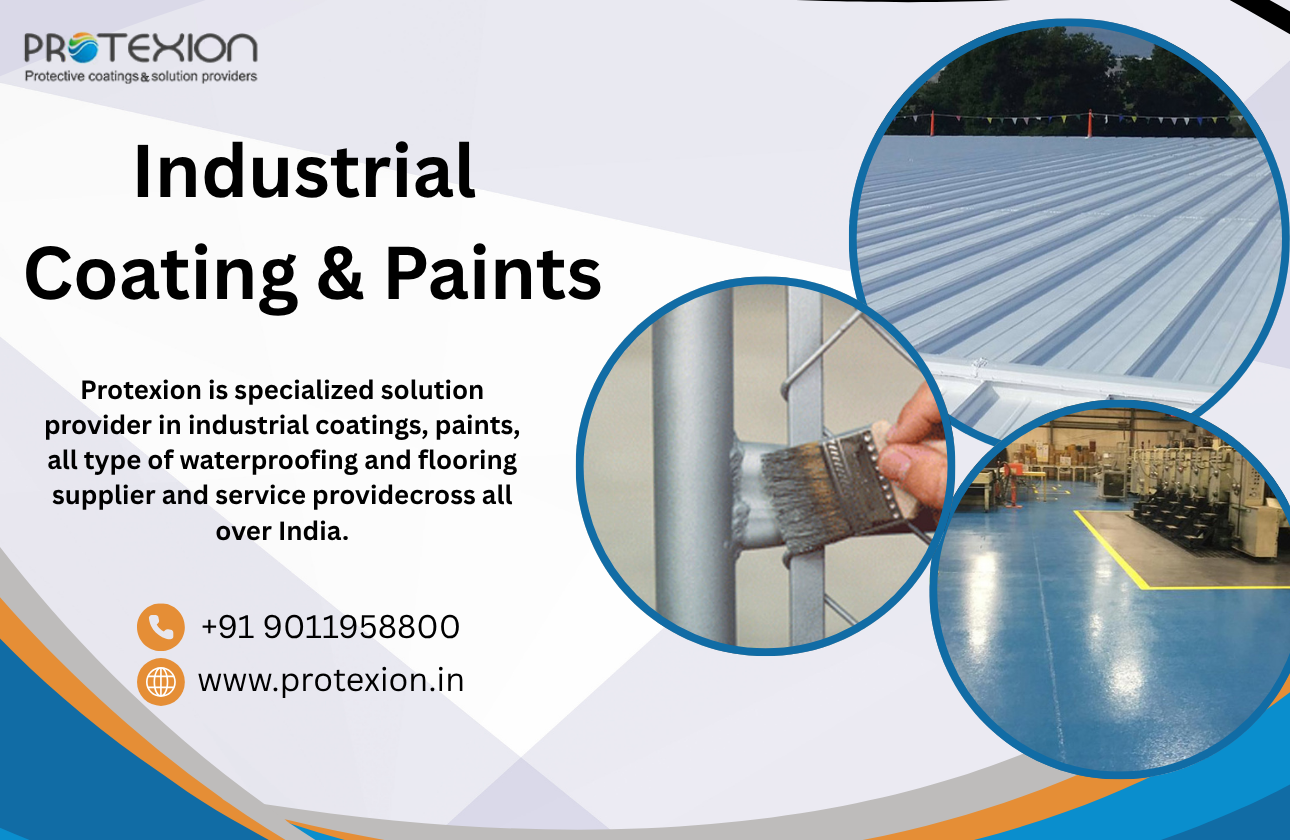
Chemical Resistant Coating: What You Need to Know
Chemical resistant coatings are specially designed to protect surfaces from damage caused by various chemicals. These coatings act as a shield, preventing substances from penetrating the surface and causing corrosion or deterioration. They are commonly used in environments where there's potential exposure to harsh chemicals, such as factories, labs, and chemical processing plants. By creating a barrier, these coatings extend the life of equipment and infrastructure, ultimately saving costs on repairs and replacements. Understanding their role is crucial for anyone involved in maintaining industrial settings.
Benefits of Chemical Resistant Coating
One of the primary benefits of using chemical resistant coatings is their ability to protect assets from costly damage. These coatings provide long-lasting protection against a wide range of chemicals, including acids, solvents, and bases. Their durability is unmatched, allowing them to withstand continuous exposure to harsh environments. This protection contributes to enhanced durability for the surfaces they cover. Additionally, these coatings can improve safety by preventing leaks and spills from causing chemical burns or other hazards.
Choosing the Right Chemical Resistant Coating
When selecting a chemical resistant coating, it's essential to understand the specific requirements of your environment. Not all coatings are created equal, and choosing the right one depends on the types of chemicals present and the surfaces needing protection. You should consider factors such as chemical concentration, temperature, and the duration of exposure. Consulting with a professional can help you find the most suitable solution for your needs, ensuring maximum protection.
Application Process for Chemical Resistant Coatings
The application process is crucial for the effectiveness of a chemical resistant coating. Proper surface preparation is key to ensuring the coatings adhere correctly and provide optimal protection. Surfaces must be clean and free from contaminants before the coating is applied. Depending on the specific product, the application can be performed through brushing, rolling, or spraying. It's important to follow the manufacturer’s guidelines to achieve the desired protection and longevity.
Chemical Resistant Paint: An Effective Alternative
While similar in purpose, chemical resistant paints provide a different approach to protection. These paints are formulated to resist chemical damage and are often used in conjunction with coatings for enhanced protection. Like coatings, they are applied to surfaces expected to encounter chemical exposure. What makes them stand out is their versatility in application. They’re suitable for a wide range of surfaces, including walls, floors, and equipment. This flexibility makes them an excellent choice for various industrial and commercial settings.
Choosing between Coating and Paint
Deciding between chemical resistant coating and paint depends on the specific requirements of your space. Coatings generally offer thicker and more robust protection, making them ideal for areas with high level chemical exposure. On the other hand, paints are more suited for lighter protective needs and aesthetic purposes. Both materials are crucial for maintaining safe and operational work environments, and both can be used together for comprehensive protection.
Frequently Asked Questions
1. What are chemical resistant coatings used for?
Answer: Chemical resistant coatings are used to protect surfaces from exposure to harmful chemicals. They create a barrier that prevents chemicals from penetrating and damaging the substrate.
2. Are chemical resistant paints suitable for all types of surfaces?
Answer: Yes, chemical resistant paints are versatile and can be applied to various surfaces, including metals, floors, and walls, depending on the formulation.
3. How long does a chemical resistant coating last?
Answer: The longevity of a chemical resistant coating depends on factors such as the environment, the type of chemicals it encounters, and the quality of the coating. Proper maintenance can extend its lifespan significantly.
4. Can I apply chemical resistant coatings myself?
Answer: While it's possible to apply these coatings yourself, it is recommended to hire professionals to ensure proper application and maximum effectiveness.
5. What industries most commonly use chemical resistant coatings?
Answer: Industries like manufacturing, pharmaceutical, chemical processing, and food production frequently use chemical resistant coatings to protect their infrastructure from chemical exposure.