
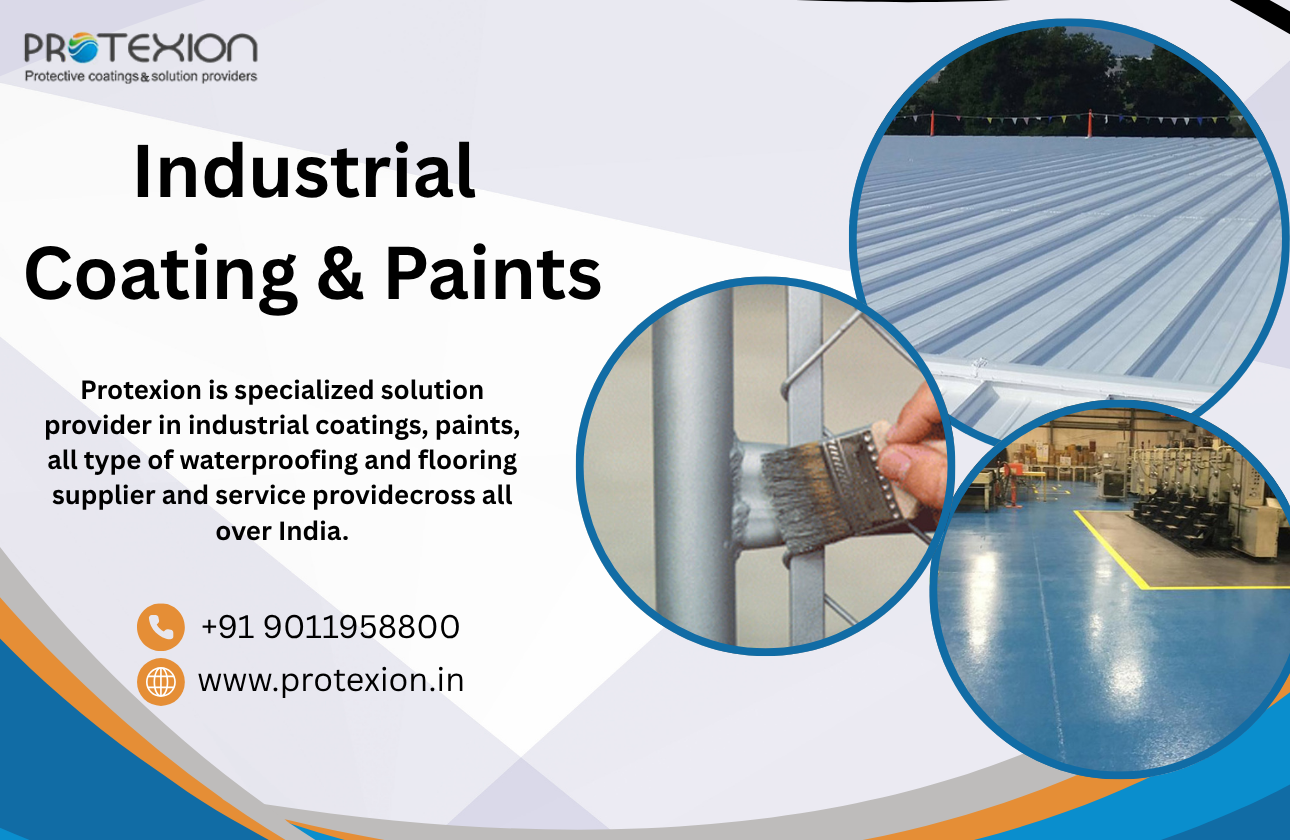
The Importance of Chemical Resistant Coating
In industries where harsh chemicals are a part of everyday operations, protecting surfaces becomes essential. A chemical resistant coating is a specialized material applied to surfaces to prevent corrosion and wear from chemical exposure. These coatings are critical for protecting infrastructure, prolonging the lifespan of equipment, and ensuring safety in environments such as factories, laboratories, and even some residential spaces. The primary function of this type of coating is to act as a barrier that prevents destructive chemical reactions that could compromise the structural integrity of materials.
Applications of Chemical Resistant Coating
These coatings find applications across a variety of sectors. Marine-grade paints, for instance, need to withstand the corrosive nature of saltwater, making chemical resistant coatings indispensable in the maritime industry. The oil and gas sector also relies heavily on these coatings to protect pipelines and storage tanks from the corrosive effects of crude oil and other substances. Furthermore, in the manufacturing industry, equipment exposed to varying chemicals benefits from these coatings as they prevent damage, thus reducing the need for frequent repairs or replacements, which can be costly. Their versatility extends to many industrial applications, proving just how essential they are in maintaining operational efficiency and safety.
Advantages of Chemical Resistant Coating
The primary benefit of chemical resistant coatings is their ability to significantly extend the life of the surfaces they cover. By providing a robust protective layer, these coatings minimize maintenance costs associated with chemical damage. They also play a critical role in maintaining the aesthetics of the protected surfaces, which is especially important in high-visibility areas like commercial kitchens or pharmaceutical labs. Moreover, the application of chemical resistant coatings can contribute to environmental sustainability by reducing the frequency of part replacements and the subsequent waste. This makes these coatings not only a practical investment but also a responsible choice for businesses aiming to uphold environmental standards.
What is Chemical Resistant Paint?
Similar to coatings, chemical resistant paint is formulated to resist the effects of chemicals. However, it often serves more aesthetic purposes compared to coatings. While both products protect against corrosion, chemical resistant paints offer a broader selection of finishes and colors. This makes them ideal for areas where both appearance and chemical resistance are important. For example, in food processing facilities, the use of chemical resistant paint not only protects surfaces from acids and other potent cleaners but also ensures a visually appealing and professional environment.
Choosing the Right Chemical Resistant Paint
Selecting the right type of chemical resistant paint involves understanding the specific chemicals that a surface will encounter. Different formulations are designed to combat specific chemicals, ensuring optimal protection. Consulting with experts or suppliers can provide valuable advice on which product best suits your needs. Additionally, considering the longevity and maintenance requirements of the paint will influence the choice, as some paints may require more frequent reapplication than others. It's crucial to consider the environmental conditions, expected wear and tear, and any specific industry regulations when choosing the right product.
Application Techniques
Succeeding with chemical resistant coatings and paints requires proper application techniques. Surface preparation is key; it involves cleaning and, often, roughening the surface to ensure good adhesion. The application may involve spraying, rolling, or brushing on the coating or paint, depending on the area and accessibility. It's essential to follow the manufacturer's instructions for mixing, application conditions, and drying times. Employing skilled professionals can ensure that the coatings and paints are applied correctly, maximizing their protective capabilities.
Safety Measures and Precautions
While applying chemical resistant coatings and paints, safety is paramount. Proper ventilation is necessary to prevent the inhalation of fumes. Protective gear such as gloves, masks, and goggles should always be worn to avoid contact with skin or eyes. Ensuring that work areas are well-ventilated can mitigate the risks associated with volatile organic compounds often present in these products. Strict adherence to safety guidelines not only protects the workers but also improves the longevity and performance of the coatings and paints applied.
Maintaining Chemical Resistant Coatings and Paints
Once applied, regular maintenance can help prolong the life of chemical resistant coatings and paints. Periodic inspections should be conducted to detect any signs of wear or damage. Prompt repairs can extend the protective life of the coating and prevent further damage. Cleaning practices should be designed not to compromise the coating's integrity. Using compatible cleaning agents that do not react with the protective layer is essential. This ensures that the investment in chemical resistant coatings and paints pays off over the long term.
Innovations in Chemical Resistant Coatings
The field of chemical resistant coatings is continually evolving. Recent advancements have introduced coatings that offer self-healing properties, reacting when minor damages occur to close gaps and maintain protection. These innovative solutions minimize the need for frequent maintenance, offering enhanced durability even in demanding environments. Moreover, advancements in eco-friendly formulations are emerging, providing safer options without compromising on protection. These innovations signify progress towards more sustainable practices in industrial applications.
Frequently Asked Questions
1. What are chemical resistant coatings used for?
Answer: Chemical resistant coatings are used to protect surfaces from the damage caused by chemical exposure. They are particularly beneficial in industrial environments where machinery and equipment are frequently exposed to harsh chemicals.
2. How do I choose the right chemical resistant paint?
Answer: Selecting the right chemical resistant paint depends on the specific chemicals the surface will encounter and the desired finish. Consulting with experts can help determine the best product for your needs.
3. Can chemical resistant coatings be used in households?
Answer: Yes, they can be used in households, especially in areas like garages and kitchens where surfaces may be exposed to cleaning agents and other chemicals. However, products specifically designed for industrial use might be too robust for residential purposes.
4. Are there eco-friendly chemical resistant coatings available?
Answer: Yes, advancements in technology have led to the development of eco-friendly formulations that offer protection without harmful environmental impacts. It's important for consumers to specify this preference when selecting a product.
5. What are the potential risks of applying chemical resistant coatings?
Answer: The risks include exposure to toxic fumes and contact with skin or eyes during application. Proper ventilation and protective gear can mitigate these risks.