
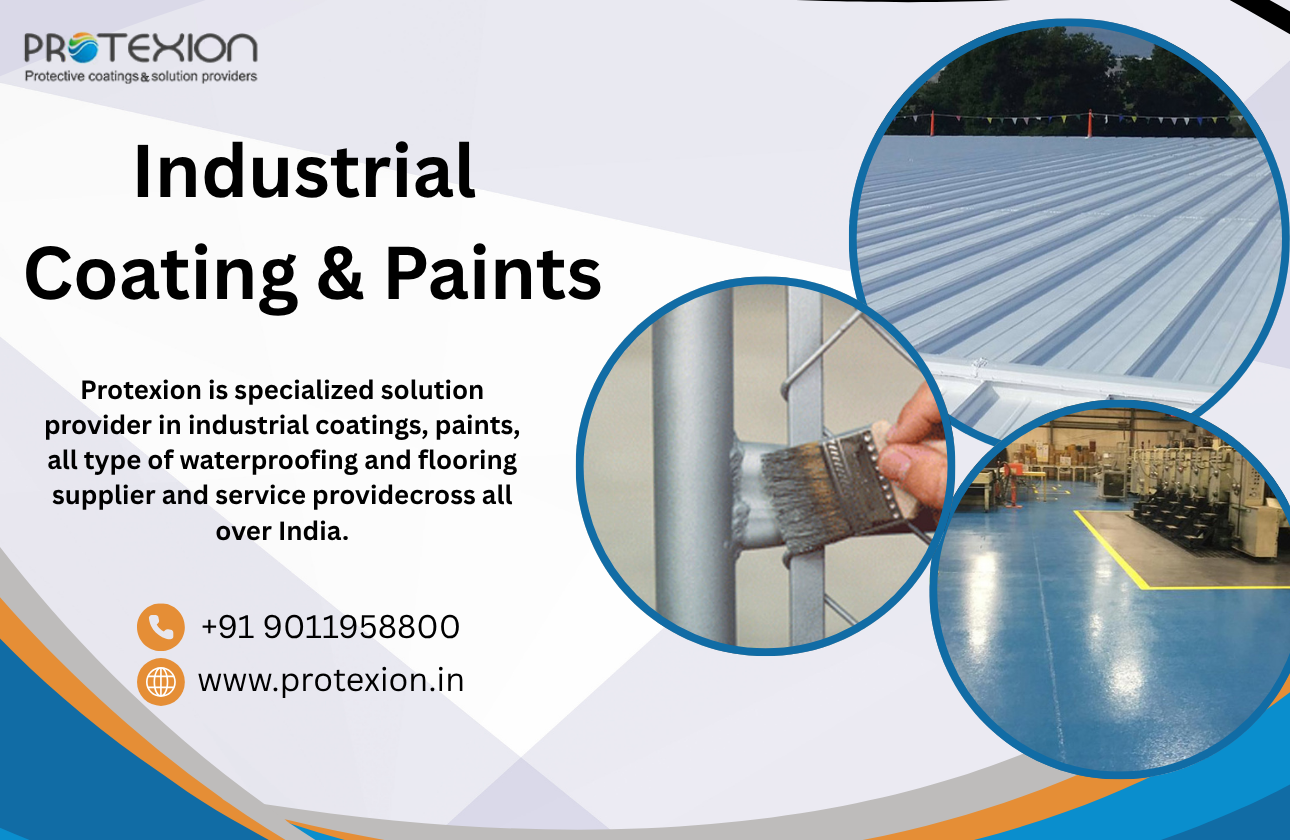
Chemical Resistant Coating: An Overview
Chemical resistant coatings are essential for protecting surfaces exposed to harsh chemicals. They are designed to withstand the damaging effects of acids, alkalis, solvents, and other corrosive substances. These coatings are critical in industries such as chemical processing, oil and gas, pharmaceuticals, and food processing, where equipment and surfaces are regularly exposed to aggressive chemicals. The primary goal of a chemical resistant coating is to prolong the lifespan of the equipment and surfaces by providing a durable barrier against chemical attacks. High-performance coatings can significantly reduce maintenance costs and downtime, making them a cost-effective solution for businesses. To learn more about different types of coatings, check out Protexion's Chemical Resistant Coatings.
Applications of Chemical Resistant Coatings
The applications of chemical resistant coatings are vast and varied. They are utilized in environments that face consistent exposure to corrosive chemicals, including manufacturing facilities, chemical plants, water treatment facilities, and power generation stations. These coatings can be applied to floors, walls, tanks, pipes, and equipment to ensure their protection. Additionally, chemical resistant coatings are used in areas prone to chemical spills, ensuring that any potential damage is minimized. By maintaining their protective quality, they help organizations comply with regulatory standards and enhance the integrity of structural components. For those interested in the different applications, visit Chemical Resistant Coatings Applications.
Benefits of Using Chemical Resistant Coatings
Using chemical resistant coatings comes with numerous advantages. Firstly, they provide a safeguard against chemical corrosion, extending the life of your investments. Their protective barrier help to prevent chemical seepage and maintain the operational integrity of equipment. Furthermore, they reduce the need for frequent repairs, which in turn lowers the overall operational costs. Another benefit is the enhancement of workplace safety, as these coatings minimize the risk of chemical burns or other injuries resulting from exposure to corrosive substances. Industries that prioritize the use of these coatings demonstrate a commitment to safety and efficiency. For a comprehensive look at protective coatings, explore Protexion's Protective Coatings.
Chemical Resistant Paint: What Sets It Apart?
Chemical resistant paint, although similar to coatings, serves a slightly different purpose. While coatings are generally thicker and provide a robust barrier, chemical resistant paints are often used for projects where aesthetics are important in addition to protection. These paints offer both chemical resistance and visual appeal, making them suitable for areas where both factors are crucial. Chemical resistant paints are especially useful in facilities where machinery or surfaces may be exposed to spills or splashes, providing additional resilience without compromising on design. They are easy to clean and can be applied to surfaces like concrete, metal, and brick. To find more about the varieties of protective paints, visit Protexion's Chemical Resistant Paints.
Choosing the Right Coating or Paint
Choosing the right chemical resistant coating or paint involves evaluating the environment where it will be used. Considerations include the type of chemicals the surface will encounter, the temperature range, and the level of abrasion or wear and tear the surface will endure. It's important to select products that are specifically formulated for the intended application to ensure maximum protection. Manufacturers often provide technical specifications and recommendations, making it easier for businesses to make informed decisions. Working with supplier experts can also help tailor the right solution for unique industrial needs. To help choose the right solution, check out Protexion's Guide to Chemical Resistant Solutions.
How to Apply Chemical Resistant Coatings and Paints
Applying chemical resistant coatings and paints correctly is crucial for ensuring their effectiveness. It usually involves preparing the surface by cleaning and removing any existing coatings or contaminants. This step ensures that the new coating adheres properly. Once the surface is prepared, the application begins using methods such as brushing, rolling, or spraying, depending on the product and the surface area. Some products may require multiple coats to achieve the desired thickness and protection. Following the manufacturer's instructions regarding curing times and conditions is essential to achieve the best results. For detailed instructions on application, refer to Our Application Guide.
Maintenance of Chemical Resistant Coatings
Even with durable chemical resistant coatings or paints, regular maintenance is key to prolonging their effectiveness. Maintenance involves routine inspections for any signs of wear or damage and addressing these issues promptly to prevent further degradation. Cleaning coated surfaces with the appropriate solutions helps to keep them in top condition. Training staff on how to handle and care for coated surfaces is also crucial for ensuring longevity. A well-maintained coating system can extend the life of industrial equipment and structures significantly. For maintenance advice and solutions, explore Protective Coatings Maintenance.
The Future of Chemical Resistant Coatings
The future of chemical resistant coatings looks promising with continuous advancements in technology. Innovations are focusing on enhancing durability, improving environmental friendliness, and reducing application times. As industries adapt to more stringent safety regulations, the demand for higher quality and more efficient coatings will increase. Research and development are also likely to come up with more eco-friendly formulations that provide effective protection while minimizing the environmental impact. As industries evolve, so do the needs for updated solutions in protective coatings. For insights into upcoming trends, visit Innovations in Coatings.
Frequently Asked Questions
1. What are chemical resistant coatings used for?
Answer: Chemical resistant coatings are primarily used to protect surfaces from the corrosive effects of chemicals. They are crucial in industries like chemical processing and manufacturing, where surfaces are regularly exposed to harsh agents.
2. Can chemical resistant paint be used on all surfaces?
Answer: Not all surfaces are suitable for chemical resistant paint. It's important to choose the right type based on the surface material and the environmental conditions it will face. Always consult with experts to determine compatibility.
3. How often should chemical resistant coatings be reapplied?
Answer: The reapplication frequency depends on the specific environment and exposure conditions. Regular inspections will help determine when a new coat is necessary, generally every few years or as recommended by the manufacturer.
4. Are chemical resistant paints environmentally friendly?
Answer: Many manufacturers are now producing eco-friendly chemical resistant paints that meet environmental regulations. Always check the product specifications for information on its environmental impact.
5. What temperature range can chemical resistant coatings handle?
Answer: Chemical resistant coatings are designed to withstand various temperature ranges depending on the formulation. Some can handle extreme heat, while others are suited for moderate conditions. It's vital to match the coating’s capability to your specific needs.