
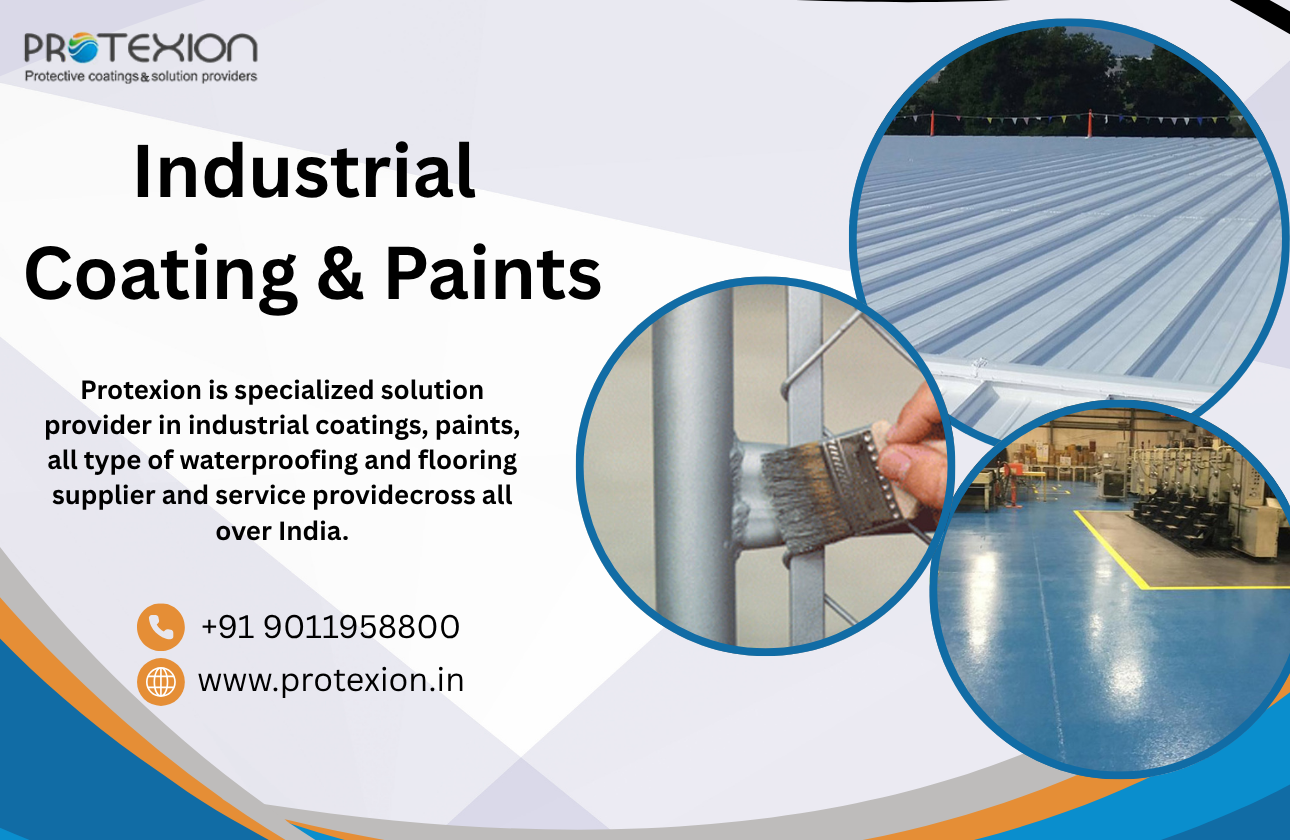
Chemical Resistant Coating: A Barrier Against Harsh Elements
Chemical resistant coatings are like protective shields for surfaces. They are specially formulated to withstand exposure to chemicals, oils, solvents, and other harsh substances that can degrade unprotected materials over time. These coatings are used extensively in industries where there's frequent handling of corrosive or acidic materials. The primary goal of chemical resistant coatings is to prevent damage and prolong the life of structures and equipment. These coatings can be applied to various substrates, including metals, concrete, and plastics, ensuring they remain intact even when exposed to aggressive chemical environments. By preventing chemical penetration, these coatings also help maintain the structural integrity of the buildings or machines, saving significant repair and maintenance costs in the long run. They are also instrumental in maintaining safety standards, as chemical degradation can pose significant hazards. Applying the right coating means peace of mind, knowing that surfaces will remain strong and resilient under diverse chemical attacks.
Applications of Chemical Resistant Coatings in Various Industries
In every industry where chemicals are used—be it food processing, pharmaceuticals, oil and gas, or manufacturing—chemical resistant coatings play a critical role. They are often applied to floors, tanks, pipelines, and containment walls. For instance, in the oil and gas industry, equipment is at constant risk of exposure to harsh chemicals. Thus, coating them with a chemical-resistant layer significantly reduces the chances of corrosion and failure. Additionally, in laboratories or chemical plants, where accidental chemical spills could be catastrophic, these coatings ensure that even if a spill occurs, the containment remains effective and safe. Furthermore, they are extensively used in wastewater treatment facilities where various chemicals, including acids and alkalis, can be present. Applying these coatings ensures that equipment such as pipelines and tanks, which are in regular contact with these substances, do not degrade prematurely. Every application of chemical resistant coatings is a step towards ensuring safety and longevity in these sensitive environments.
Choosing the Right Chemical Resistant Coating for Your Needs
Selecting the right coating depends on several factors, like the types of chemicals the surface will be exposed to, the substrate material, and environmental conditions. Not all coatings provide the same level of resistance; hence, understanding these variables is essential. Some coatings are better suited for acidic substances, while others offer superior protection against alkalis or solvents. Moreover, you must consider the application method and the area to be covered—whether it is an exterior surface that will face additional weather elements or an interior surface with limited exposure. Consulting with manufacturers or specialists who offer chemical resistant coatings can aid in determining the best-suited product for specific requirements. Additionally, innovations in coating formulations have led to products that offer a dual purpose, providing both chemical and abrasion resistance. As technology evolves, the range of available options continues to grow, offering more precise and customized solutions for different industries.
Chemical Resistant Paint: An Added Layer of Protection
Chemical resistant paint serves as another vital protective measure, designed to withstand the same harsh environments as chemical resistant coatings but usually applied as a thinner, more decorative layer. These paints are essential for areas where both chemical resistance and an aesthetically pleasing finish are desired. Their formulations can be tailored to specific needs, with choices ranging from heat-resistant solutions to those that minimize moisture ingress. Industrial facilities often use chemical resistant paints to maintain equipment's longevity while reducing maintenance downtime. Beyond industrial applications, chemical resistant paints find use in commercial spaces like hospitals or schools where daily cleaning involves strong chemicals that might otherwise wear down typical paint. While the protection offered by these paints is not as robust as that of bulkier coatings, they are still invaluable for lighter, aesthetic applications that simultaneously require some level of chemical immunity.
The Science Behind Chemical Resistant Paints
Unlike regular paints, chemical resistant paints are formulated with specific resin types, which provide their protective properties. These resins, often epoxy-based, create a hard and impermeable layer upon curing. The satin or glossy finish helps deflect chemical exposure, making it ideal for high-risk areas. Often, it is applied in multiple layers to maximize durability, with each layer enhancing the paint's resistance. The development of these paints involves rigorous testing and modification processes to tailor resistance levels to particular chemicals. It's essential because different industries deal with varying chemical types and concentrations, so specificity in formulation ensures that paint performs optimally in its designated context. By combining other protective elements, like UV resistance or low-maintenance cleaning properties, chemical resistant paints offer a comprehensive package for both industrial and aesthetic functions.
Advantages of Chemical Resistant Coatings and Paints
From the perspective of functionality and aesthetics, chemical resistant coatings and paints provide several benefits. Beyond their protective qualities, they also have the advantage of being cost-effective in the long run. They drastically reduce the need for repairs and replacements by protecting infrastructure from everyday wear and tear caused by chemicals. Furthermore, with specialized variants offering additional resistance to heat and moisture, these coatings and paints provide all-around protection. They support a safe working environment by preventing chemical exposure, which could otherwise result in costly health issues or environmental damage. In industries where safety, compliance, and operational longevity are of utmost concern, these coatings and paints become an indispensable part of the maintenance regime. Additionally, the variety in finishes allows for aesthetic flexibility, meaning you do not have to compromise on visual appeal for protection.
A Look Into the Future of Chemical Resistant Coatings
With advancements in materials science, the future is promising for chemical resistant coatings. New technologies are allowing for the development of eco-friendly, sustainable coatings that perform just as well as their traditional counterparts. This shift is beneficial for industries aiming to reduce their environmental footprint without sacrificing quality and safety standards. Innovations like self-healing coatings and those that exploit nanotechnology hint at a future where coatings not only resist but also repair minor damages autonomously. The integration of technologies that adapt to different conditions, enhancing resistance on-the-go, is in the realm of possibility. Additionally, as the demand for waterproofing solutions grows, manufacturers are combining these features within chemical resistant formulations for a more all-around application. Looking ahead, the emphasis will likely be on sustainable development, intertwining performance, environmental consideration, and durability in a cohesive way.
Frequently Asked Questions
1. What are the main types of chemical resistant coatings?
Answer: The main chemical resistant coatings include epoxy, polyurethane, and silicone-based options, each designed to handle specific types of chemicals and environmental conditions. They vary in application based on the industry and specific chemical exposure threats.
2. How do chemical-resistant paints differ from coatings?
Answer: Chemical resistant paints act as a decorative layer offering moderate protection, whereas coatings are usually thicker, providing a robust shield against harsh substances. Paints are more suited for aesthetic purposes with some protective capabilities.
3. Can these coatings be applied to any surface?
Answer: While chemical resistant coatings can be applied to many surfaces, including metal, concrete, and plastics, the application requires surface preparation and proper selection based on the exposure environment to ensure adherence and effectiveness.
4. Are chemical resistant coatings also environmentally friendly?
Answer: Many chemical-resistant coatings are shifting towards environmentally friendly formulations. Recent advancements focus on reducing VOCs and using more sustainable materials without compromising performance.
5. How long does a chemical-resistant coating last?
Answer: The lifespan of chemical-resistant coatings depends on the environment, surface preparation, and exposure level but generally lasts anywhere from 5 to 10 years or longer with proper maintenance and regular inspections.