
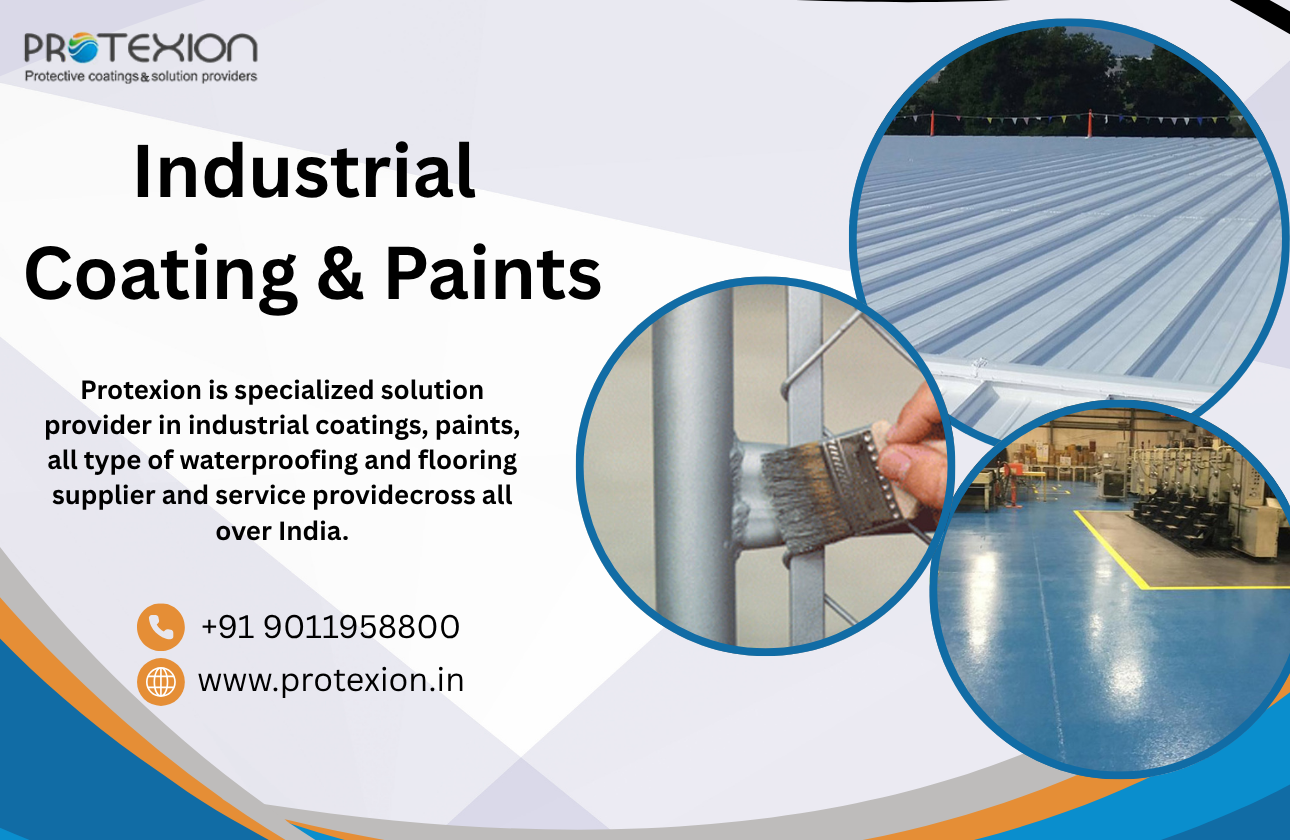
Chemical Resistant Coating
Chemical-resistant coatings are essential materials used to protect surfaces from the damaging effects of chemicals. This type of coating is specially formulated to maintain its integrity when exposed to aggressive chemical environments, such as in laboratories, factories, and chemical processing plants. Their primary purpose is to prevent degradation, corrosion, and potential structural damage that chemicals can cause. These coatings form a protective barrier that shields surfaces from spillages or exposure to various chemicals. Compliance with safety standards and enhancement of longevity are significant advantages of using chemical-resistant coatings.
Chemical Resistant Paint
Similarly, chemical-resistant paint serves as a protective layer that is applied to surfaces to prevent or resist chemical damage. While it performs a function akin to that of chemical-resistant coatings, it tends to be more suitable for applications where aesthetic appeal is also desired. These paints are available in different finishes and colors, making them both practical and visually appealing. They are often used in environments where frequent chemical cleaning is necessary, such as commercial kitchens or hospitals. Like chemical-resistant coatings, these paints ensure that the underlying surfaces are well-protected and maintain their visual appeal over time.
Applications in Industry
Chemical-resistant coatings and paints find broad usage across various industries due to their protective qualities. For instance, in the manufacturing industry, machinery and plant facilities often come in contact with chemicals, making these coatings essential for maintenance. They also play an important role in the pharmaceutical industry, where cleanliness and chemical exposure go hand in hand. In both scenarios, the coatings help in extending the lifespan of equipment and infrastructure, ensuring operational efficiency and safety standards. In addition to manufacturing, these coatings are crucial in the marine industry to protect vessels from corrosive saltwater and chemical exposure during cleaning and maintenance.
Importance of Chemical Resistant Coatings
The importance of chemical-resistant coatings cannot be overstated. Without these protective layers, facilities would be at risk of substantial financial losses due to equipment failure and structural degradation. The coatings help save costs by reducing the need for repairs and replacements. They also ensure that operations continue smoothly without unplanned downtimes due to chemical-related damage. By preserving the integrity of surfaces and machinery, these coatings contribute to safety compliance and productivity, playing a crucial role in the sustainability of any chemical-prone operation.
Choosing the Right Chemical Resistant Coatings
Selecting the appropriate chemical-resistant coatings involves understanding the specific chemicals the surfaces will be exposed to, as well as the conditions they will be under. Not all coatings offer the same resistance levels, so consideration of factors such as temperature, chemical concentration, and exposure duration is essential. Consulting with experts or suppliers can provide insights into the best choices for your particular needs, thus ensuring optimal protection and performance. Moreover, many manufacturers provide detailed specifications, which can help in making an informed decision.
Maintaining Chemical Resistant Coatings
To ensure the longevity of chemical-resistant coatings, regular maintenance is key. This involves routine inspections to check for signs of wear and tear, as well as occasional touch-ups to maintain their effectiveness. Cleaning surfaces properly without using abrasives that can damage the coatings is also essential. This level of care ensures that the coating remains effective over its intended lifespan, maximizing the return on investment in terms of protection and cost-efficiency.
Frequently Asked Questions
1. What is a chemical-resistant coating?
Answer: A chemical-resistant coating is a type of protective layer applied to surfaces to prevent chemical-related damage. It forms a barrier that resists degrading effects from chemicals, safeguarding integrity and longevity.
2. In what industries are chemical-resistant paints most commonly used?
Answer: Chemical-resistant paints are used in industries such as manufacturing, pharmaceuticals, and food processing. These industries require protection against frequent exposure to chemicals and rigorous cleaning.
3. How do I choose the right chemical-resistant coating?
Answer: To choose the right chemical-resistant coating, consider the specific chemicals involved, environmental conditions, and exposure duration. Consulting product specifications or expert advice can guide appropriate choices.
4. Can chemical-resistant coatings also enhance aesthetics?
Answer: Yes, especially when using chemical-resistant paint. These paints come in various colors and finishes that add aesthetic value while providing the necessary chemical protection.
5. How often should chemical-resistant coatings be maintained?
Answer: Regular maintenance depends on usage conditions but typically involves periodic inspections and any necessary touch-ups to prolong their lifespan and effectiveness.