
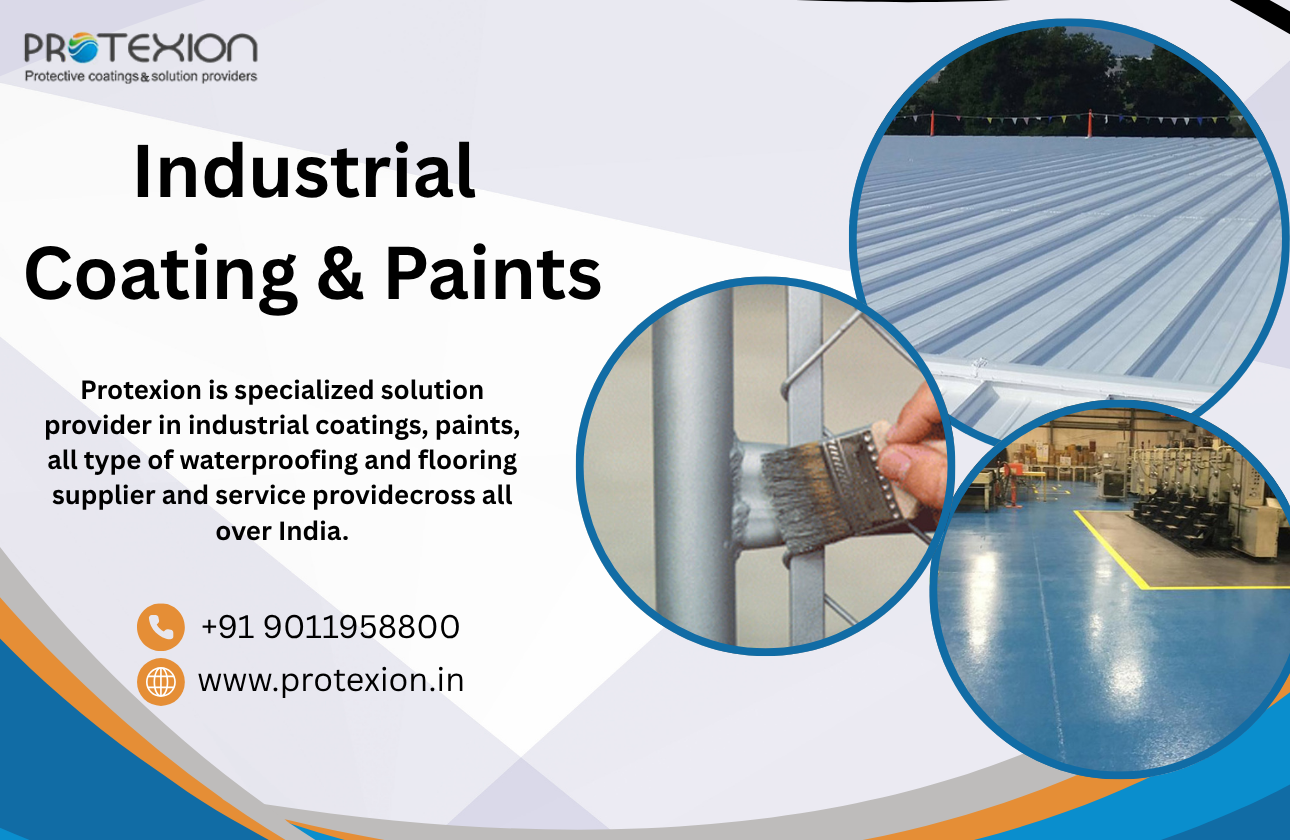
What is a Cool Roof Coating?
A cool roof coating is a layer applied to roofs to reflect more sunlight and absorb less heat compared to a standard roof. This coating is mostly made from highly reflective paints or materials that help the roof surface stay much cooler even in direct sunlight. Typically, these coatings are white or contain special reflective pigments to minimize the heat absorption. They are particularly useful in areas with hot climates as they can significantly lower the temperature inside a building. By reflecting the sun’s rays, these coatings help in reducing the overall energy costs incurred in cooling a space.
Why Choose Cool Roof Coating?
Choosing a cool roof coating makes sense for homeowners and businesses alike who are looking to cut down on energy costs and extend the life of their roofing materials. By keeping the roof surface cooler, you can reduce air conditioning needs which translates to lower electricity bills. Additionally, the lower roof temperatures can reduce thermal expansion and contraction, minimizing the chances of roof damage and leaks over time. Environmental benefits include a reduction in urban heat islands and decrease in air pollution, as buildings require less energy to maintain comfortable indoor temperatures.
How Cool Roof Coatings Work
The functioning of a cool roof coating revolves around its reflectivity and emissivity. Reflectivity refers to the ability of the coating to reflect sunlight away from the building. Emissivity, on the other hand, is the capacity to release absorbed heat. A cool roof coating often combines both properties to achieve maximum benefits. As a result, buildings with this coating remain cooler, easing the strain on HVAC systems, and promoting overall energy efficiency.
Types of Cool Roof Coatings
Various types of cool roof coatings are available, each having unique benefits and suitable application scenarios. Acrylic coatings are popular for their longevity and flexibility, making them a common choice. Silicone coatings offer excellent UV protection and water resistance, while polyurethane coatings are known for their strong adhesive qualities, even on challenging surfaces. Selecting the right type largely depends on the specific needs of your building, including the existing roof material, environmental conditions, and budget considerations.
Application Process of Cool Roof Coating
The process of applying a cool roof coating is relatively straightforward but must be carefully executed to achieve desired results. First, the roof surface needs to be cleaned thoroughly to remove dirt and debris. This ensures that the coating adheres properly. Once clean, the coating can be applied using rollers, brushes, or spray equipment, depending on the type and thickness requirements of the coating. It is crucial to follow the manufacturer’s guidelines for application thickness and curing time to maximize the coating’s effectiveness.
Benefits of Cool Roof Coating
The benefits of cool roof coatings are manifold. Primarily, they help in reducing the cooling costs by keeping the building interiors cooler. This not only represents cost savings but also conserves energy, offering a more sustainable solution. Moreover, cities with numerous buildings using cool roof coatings can witness a tangible decrease in local temperatures, combating urban heat islands effectively. Additionally, cool roof coatings can extend the lifespan of the roof by protecting it from harmful UV rays and extreme temperature changes.
Considerations Before Installation
Before opting for a cool roof coating, certain considerations must be taken into account. The condition of the existing roof is paramount; it needs to be in good shape to hold the new coating properly. Cost is another factor, although the long-term energy savings often outweigh the initial expenses. It's also important to check for any local incentives or regulations related to cool roofing, as these can provide financial benefits or may have certain requirements for installation.
What is Cool Roof Paint?
Cool roof paint, similarly designed to reflect more sunlight and absorb less heat, is another avenue for making your roof more energy-efficient. Like cool roof coatings, the paint contains reflective pigments and is typically applied in a lighter color to enhance its reflective properties. This paint acts as a protective layer that is particularly useful for flat or low-sloped roofs which receive direct sunlight. Using this paint can make a notable difference in the comfort and energy efficiency of a building.
Benefits of Cool Roof Paint
The application of cool roof paint offers an easy and relatively economical way to save on cooling costs and protect the roof. It provides an additional layer of UV protection which can, over time, prevent damage from sun exposure thus extending the life of the roof materials beneath. Furthermore, applying cool roof paint takes less time and resources compared to more comprehensive cool roof systems, making it an attractive option for many building owners looking to make energy-efficient improvements without major renovations.
Installation of Cool Roof Paint
Installing cool roof paint is a task that can often be completed by homeowners, given they follow proper guidelines and instructions. The roof surface needs to be adequately prepared and cleaned to ensure paint adhesion. Typically, a paint sprayer or roller is used for an even coat, with more than one layer required for optimal performance. Choosing high-quality paint ensures longevity and performance, making the initial investment worthwhile in contributing to energy savings and roof longevity.
Environmental Impact
Both cool roof coatings and paints contribute positively to the environment. By decreasing the heat load on buildings, they reduce the energy demand for cooling, thus lowering greenhouse gas emissions from power plants. They also contribute to lowering the urban heat effect which often leads to elevated temperatures in cities. Opting for eco-friendly options not only benefits individual buildings but also contributes to broader environmental goals. This makes cool roof solutions a win-win for property owners and the community.
Choosing Between Cool Roof Coatings and Paint
Deciding between cool roof coatings and paints depends on factors such as budget, the type of roof, and specific energy-saving goals. Coatings are generally thicker and provide a higher level of protection, often being a better choice for flat roofs or industrial buildings. In contrast, paints can be a more flexible solution for residential buildings or minor energy-saving initiatives. It’s wise to consult with professionals to determine which option aligns best with your property's needs.
Frequently Asked Questions
1. How long does a cool roof coating last?
Answer: Cool roof coatings can last anywhere from 10 to 20 years, depending on the type of coating, environmental conditions, and maintenance. Regular inspections and cleaning can help extend their lifespan.
2. Can I apply cool roof paint myself?
Answer: Yes, cool roof paint can be a DIY project. However, ensuring that the roof is clean and the paint is applied evenly are key to ensuring its effectiveness and longevity.
3. Are there financial incentives for using cool roof coatings?
Answer: Many local governments and utility companies offer rebates or incentives for cool roofing measures. It’s a good idea to check with local energy departments or service providers for any available programs.
4. Do all roofs qualify for cool roof coatings?
Answer: Not all roof types are suitable for cool roof coatings. It’s best to consult a professional to assess whether your roof is a good candidate for applying such coatings.
5. What are the maintenance requirements for cool roof coatings?
Answer: Maintenance involves routine cleaning and inspections to ensure the coating is intact and functioning. Address any repair needs promptly to maintain protective qualities.