
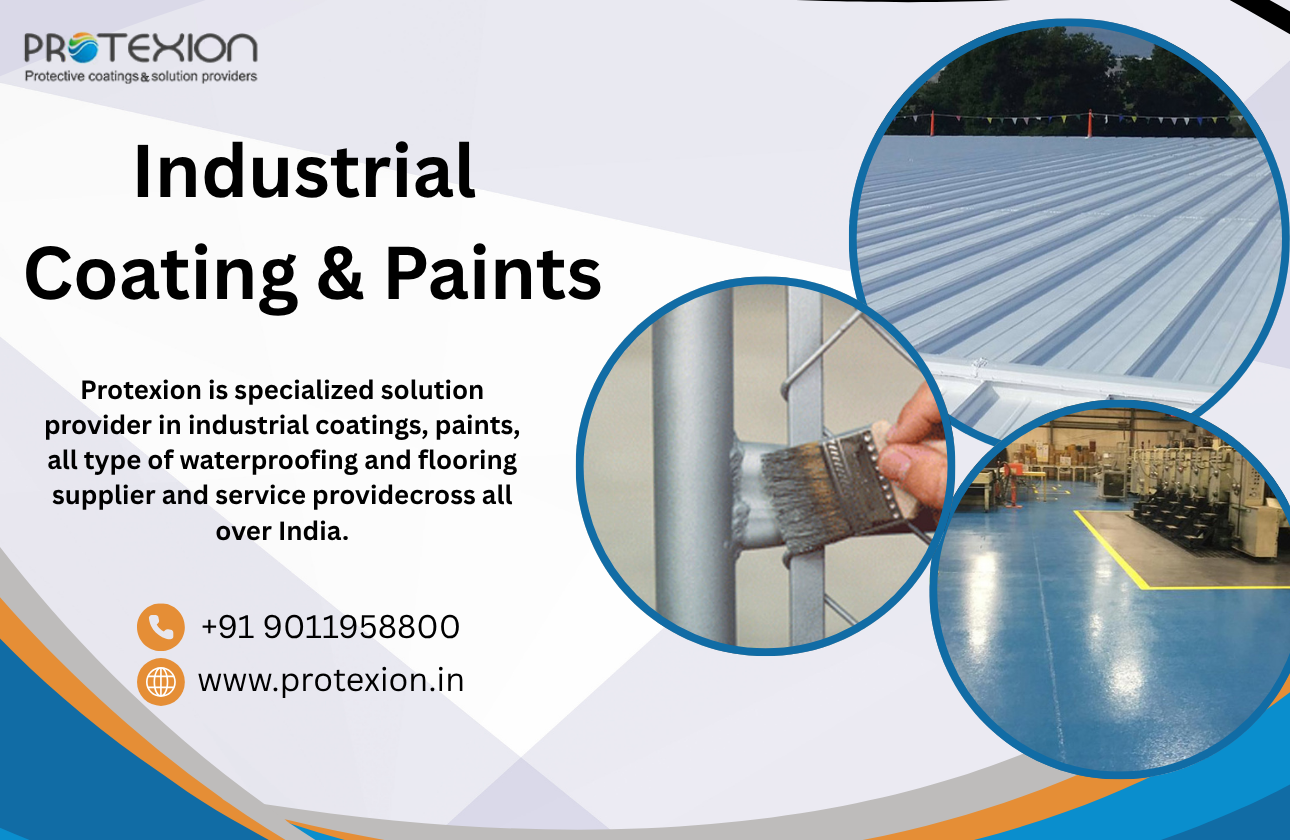
What is Electrical Insulation Coating?
Electrical insulation coatings are specialized coatings applied to surfaces to ensure electrical insulation and safety. These coatings help prevent current leakage, which can cause damage to electrical systems and even pose safety risks. They are essential in various settings, from industrial machinery to household electronics, ensuring that electricity is contained within the designated pathways and not exposed to surrounding areas. With the right electrical insulation coating, the risk of electrical faults and short circuits is minimized, enhancing both safety and the lifespan of the equipment. One common application is in the prevention of shock hazards, making these coatings particularly critical in environments where safety is paramount.
Importance of Dielectric Coating for Floors
Dielectric coating for floors offers a unique way to insulate and protect surfaces that may be exposed to electricity. These coatings are used to create an isolating barrier that prevents the flow of electrical currents through the floor, making environments safer for both personnel and equipment. This is particularly useful in industrial or lab settings where the risk of electrical contact is high. Dielectric coatings act as a protective layer against shocks and are often preferred in spaces like control rooms and switchgear facilities where large amounts of electricity are handled. They provide peace of mind, knowing that surfaces are resistant to electrical conductance.
Benefits of Insulated Floor Coatings and Paints
Insulated floor coatings and paints bring an extra level of protection in environments where electrical safety is challenged. These coatings serve to insulate floors from electrical currents, much like wearing rubber-soled shoes can insulate a person from electricity. They play a crucial role in ensuring that electricity does not travel through floors and in preventing shock hazards. Ideal for environments where high-voltage or sensitive electrical equipment is used, insulated floor coatings help create a safer workplace. Additionally, they enhance the durability of the floor by offering protection against wear and tear, moisture, and chemical spills. This makes them an excellent choice not just for safety but also for maintaining the integrity of the flooring.
Understanding Shock Resistant Coating
Shock-resistant coatings are specifically designed to prevent electrical shock, which can be a significant hazard in many industrial and residential settings. These coatings are applied to surfaces to ensure that they are not conductive, thereby minimizing the risk of shock. This kind of coating can be particularly valuable in areas where electrical systems and conductive materials are in heavy use. By using shock-resistant coatings, businesses can protect their employees from accidental shocks, and prevent damage to equipment that might otherwise occur due to sudden electrical discharges. In addition, these coatings add a layer of security that can help industries comply with safety regulations and standards. Shock-resistant applications are valuable in areas where foot traffic interacts with electrical systems frequently, like manufacturing floors or industrial kitchens.
The Role of Current Resistant Coating
Current resistant coating is crucial for controlling the flow and distribution of electrical currents across different surfaces. These coatings ensure that any current is contained within specific pathways, preventing unintended circuit connections that may cause overheating or fires. Current resistant coatings are widely used in industries like electronics, automotive, and manufacturing, where the precise control of electrical current is essential. Such coatings are particularly beneficial when applied to metal surfaces, as they prevent unwanted electrical discharges and promote more efficient electrical systems. The use of current resistant coatings can greatly enhance the safety of an environment, providing both physical protection to surfaces as well as improved reliability of electrical systems.
Exploring Shock Proof Coating Applications
Shock-proof coatings provide an enhanced form of protection that safeguards not only people but also machines from electrical surges and shocks. These coatings are frequently used in areas where the risk of electrical contact is high, serving as a protective barrier that absorbs energy from electrical currents. Shock-proof coatings are especially important in electronic appliances and gadgets where the precision of electrical flow needs to be maintained without exposing internal components to shock risks. For manufacturers, applying shock-proof coatings can significantly reduce the risk of damage from electrical failures. Also, they can help meet industry standards for safety and functionality by minimizing the possibility of electrical short circuits and ensuring the long-term reliability of the product.
Frequently Asked Questions
1. How do electrical insulation coatings improve safety?
Answer: Electrical insulation coatings are critical for improving safety as they contain electrical currents within specific pathways, preventing them from escaping and causing accidental shocks. This minimizes the risk of electrical-related incidents, protecting both human life and machinery. Learn more about electrical insulation.
2. What makes dielectric coatings ideal for industrial floors?
Answer: Dielectric coatings are ideal for industrial floors because they create a non-conductive barrier, preventing electrical currents from passing through the flooring. This feature is particularly useful in environments that have a high risk of electrical contact with the floors, contributing to enhanced workplace safety.
3. Can shock-proof coatings be beneficial for home use?
Answer: Yes, shock-proof coatings can be highly beneficial in home use. They are particularly useful in appliances and areas with high electrical activity, adding an extra layer of safety against accidental electrical discharges and ensuring that equipment remains operational in the event of electrical surges.
4. What industries benefit the most from current resistant coatings?
Answer: Industries such as electronics, automotive, and manufacturing greatly benefit from current resistant coatings as they require precise electrical control. These coatings help maintain the integrity of circuits, protect sensitive components, and ensure that equipment functions reliably over time. Explore use in industries.
5. Is it necessary to reapply insulated floor coatings frequently?
Answer: The frequency of reapplying insulated floor coatings depends on the environment and the amount of wear the floor undergoes. Generally, these coatings are designed to be durable and long-lasting; however, regular inspections are suggested to ensure their effectiveness remains optimal over time. If you notice wear or damage, reapplying might be necessary to maintain effective insulation. Visit our waterproofing and coating services for help in maintenance planning.