
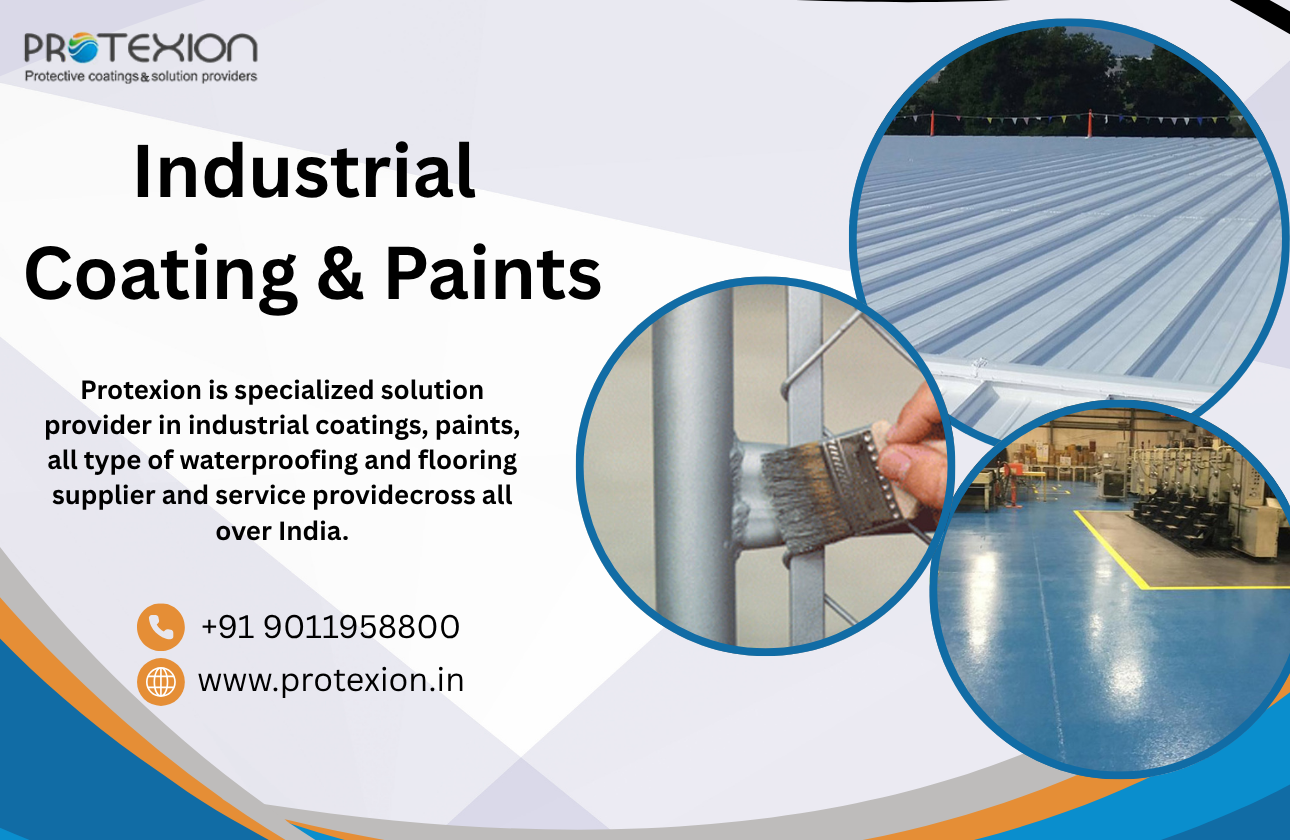
What is Epoxy Floor Coating?
Epoxy floor coating is a popular solution for surfaces that require a durable and long-lasting finish. Made from a resin and a hardener, epoxy forms a rigid plastic material that is strong and resistant to wear. These properties make it an excellent choice for both industrial and residential flooring. Epoxy coatings can be tailored to meet specific functionality requirements like resistance to chemicals or slip prevention. Used widely in garages, commercial buildings, and hospitals, epoxy flooring not only protects the underlying substrate but also enhances its aesthetic appeal. It’s known for its shiny, smooth surface that can be customized with various colors and designs. This versatility, combined with its practical benefits, continues to propel epoxy flooring's popularity in diverse settings.
The Benefits of Epoxy Floor Coating
One of the key benefits of epoxy floor coating is its durability. This coating can withstand heavy traffic and equipment without peeling or cracking, making it ideal for areas that experience rigorous use. Epoxy floors are also excellent for resisting chemical spills, which is particularly beneficial in settings like laboratories or warehouses that handle hazardous materials. As it creates a seamless and easy-to-clean surface, epoxy is great for maintaining hygiene in places like hospitals or food processing facilities. Furthermore, the reflective surface of epoxy flooring can enhance lighting within a space, improving visibility and reducing lighting costs. Given these advantages, it’s no surprise that epoxy continues to be favored in a range of applications.
Applications of Epoxy Floor Coating
Epoxy floor coatings are versatile and can be applied in numerous settings to cater to specific needs. In industrial settings, they provide a durable surface for warehouses and manufacturing facilities that see a lot of forklift traffic and heavy machinery. In commercial spaces like retail or office environments, the customizable nature of epoxy can help reflect brand colors or themes, enhancing the overall aesthetic. Additionally, epoxy’s resistance to moisture makes it a practical option for kitchens, basements, and even pool decks. Its diverse applications extend to schools, hospitals, and sports facilities where a smooth, aesthetic finish paired with durability is crucial.
Types of Epoxy Floor Coatings
The versatility of epoxy floor coatings allows for various types designed for distinct needs. Self-dispersing epoxy is ideal for high traffic areas because it contains quartz sand, making it slip-resistant. Self-leveling epoxy is best for creating a smooth finish on old or new concrete floors, making it popular in kitchens, dining rooms, and hospitals. Marine epoxy, designed for boats and ships, highlights epoxy’s adaptability in wet environments. Additionally, epoxy terrazzo combines aesthetics and functionality, often seen in decorative floors with complex patterns or designs. With each type serving its specialized function, it’s important to choose the right one to match your flooring needs.
How to Apply Epoxy Floor Coating
Applying an epoxy floor coating can be a complex process, but the results are worth the effort. The first step involves preparing the surface by cleaning and repairing any cracks or imperfections. If the floor isn’t properly prepped, the epoxy may not adhere correctly, leading to future issues. Once the floor is ready, a primer is applied to aid better adhesion of the epoxy. This is followed by the epoxy resin application, which may require multiple coats depending on the desired thickness. Finally, a topcoat is used for protection and enhancing appearance. While DIY kits are available, employing a professional ensures the longevity and performance of the epoxy floor coating, especially for larger or more challenging projects.
Maintaining Epoxy Floors
Maintaining epoxy floors is relatively straightforward, thanks to their durable and stain-resistant properties. Regular sweeping or vacuuming can keep dust and debris off the floor. It’s also important to mop the floor periodically using a mixture of water and a touch of dish soap or an approved cleaning solution. Avoid using acidic or abrasive cleaners that may dull the epoxy’s shine. Attending promptly to spills helps prevent any staining or damage. Despite their resilience, placing protective pads under heavy furniture prevents unnecessary scratches or wear. With a bit of attention and care, epoxy floors can maintain their sheen and functionality for years to come.
Choosing the Right Epoxy Floor Coating
Selecting the appropriate epoxy floor coating is vital for ensuring that it meets the specific requirements of your project. Consider the environment where it will be installed. For example, a commercial kitchen would benefit from a coating resistant to heat and spills, whereas a garage might need something with more strength. Additionally, reflect on the aesthetic qualities you desire; epoxy coatings are available in clear finishes or can be pigmented for a splash of color. For facilities needing a specific coefficient of friction, anti-skid options provide the necessary safety. Understanding these factors helps in choosing the right solution to make the most of epoxy’s diverse benefits.
Frequently Asked Questions
1. How long does an epoxy floor last?
Answer: The lifespan of an epoxy floor can range from 5 to 10 years in high-traffic commercial settings and can extend much longer in residential spaces with proper maintenance.
2. Can I apply epoxy floor coating over existing flooring?
Answer: Yes, however, the existing flooring needs proper preparation to ensure that the epoxy adheres effectively. Proper surface preparation is crucial for a successful application.
3. Is epoxy floor coating safe for the environment?
Answer: Epoxy floor coatings are generally considered safe once cured. They do not emit harmful chemicals when dry, making them suitable for both industrial and residential environments.
4. Can epoxy floors be used outdoors?
Answer: Yes, epoxy can be used outdoors but requires a UV-resistant topcoat to prevent yellowing or discoloration caused by exposure to sunlight.
5. How do I fix a damaged epoxy floor?
Answer: Fixing a damaged epoxy floor depends on the issue. Small chips can often be repaired with a patch; however, larger areas may need sanding and applying a new layer of epoxy for best results.