
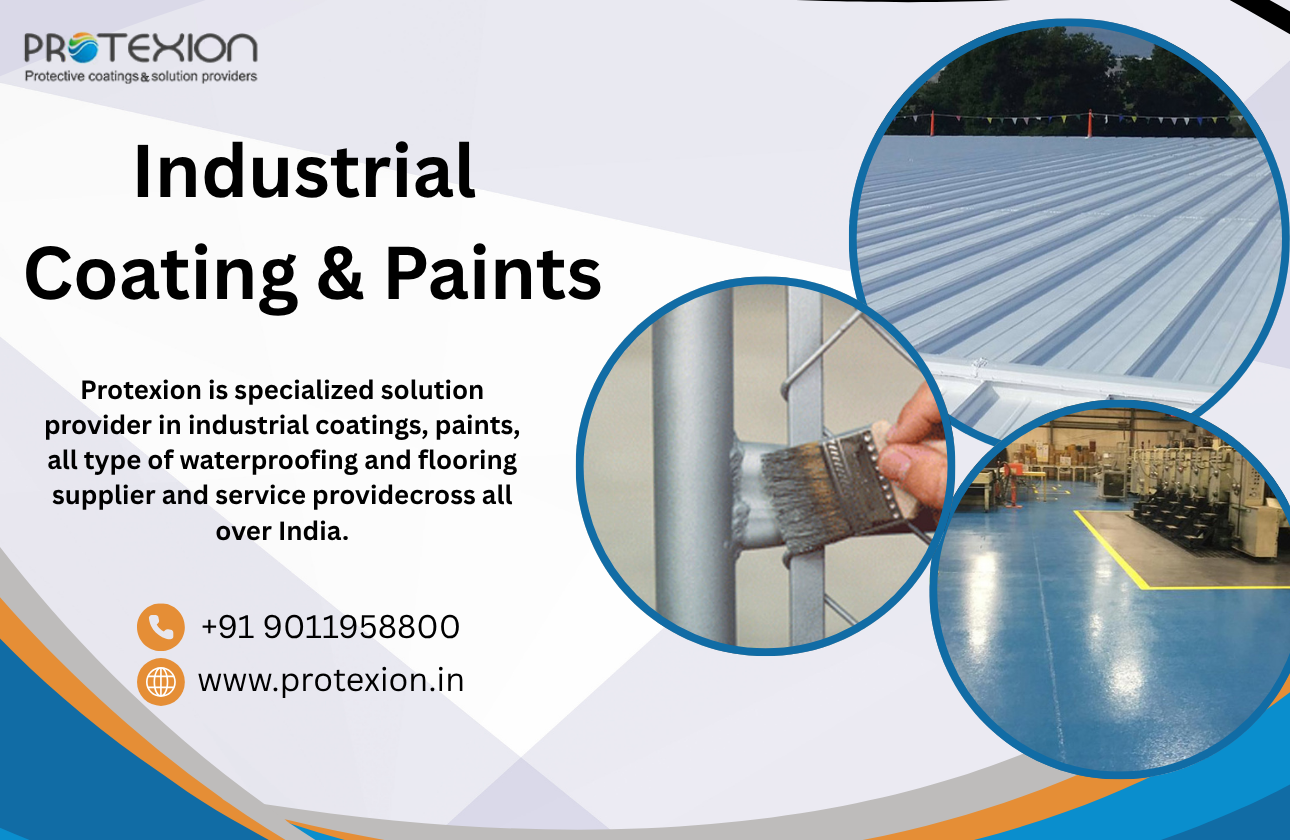
Galvanizing Coating: Basics and Benefits
Galvanizing coating is all about protecting metal surfaces from rust and corrosion. It's a process designed to apply a protective zinc layer over metals, especially steel and iron. This layer acts as a barrier against environmental factors like moisture and oxygen, which are the main contributors to metal corrosion. One of the primary benefits of using a galvanizing coating is its ability to extend the life of metal structures. By preventing rust, these structures require less frequent maintenance and repair, ultimately saving time and money. Furthermore, galvanizing coatings are known for their durability and ability to perform well even in harsh conditions. This makes them a popular choice for various industries, from construction to automotive and marine applications. In essence, a galvanizing coating is a crucial investment for anyone looking to protect their metal assets from the damaging effects of corrosion.
How Galvanizing Coating Works
The process of galvanizing involves applying a zinc coating to iron or steel to prevent rusting. The most common method is hot-dip galvanizing, which involves immersing the metal in molten zinc. The zinc layer acts as a physical barrier against corrosive elements but also provides sacrificial protection. If the coating gets damaged, the zinc will corrode instead of the underlying metal. This process ensures that the metal remains intact and functional for a longer time. Galvanizing coating provides robust protection and can be designed to withstand varying environmental conditions, offering a long-lasting and cost-effective solution for preserving metal structures.
Applications of Galvanizing Coating
This type of coating is widely used in various sectors due to its effectiveness in preventing corrosion. In the construction industry, it is often applied to steel beams and rebar to enhance the longevity of buildings and infrastructure. Additionally, auto manufacturers use galvanizing coatings on car bodies to improve durability and resistance to the elements. In the marine sector, where metal structures are constantly exposed to salty water and air, galvanizing coatings are essential to prevent rapid deterioration. Because of its versatility, this coating is indispensable across different industries, each benefiting from the extended lifespan and reduced maintenance requirements it offers.
The Importance of Galvanizing Paint
While similar to galvanizing coating, galvanizing paint serves a different function. It provides surface-level protection by delivering a thin coating of zinc-rich paint over metal surfaces. This type of paint is easier to apply than traditional galvanizing coatings and is perfect for field applications where hot-dip galvanizing isn't feasible. It offers a practical solution for touch-ups or repairing large structures where complete resurfacings are impractical. Despite being thinner, the layer of galvanizing paint provides substantial corrosion inhibition, making it a valuable option for maintaining and extending the life of existing structures.
Galvanizing Paint vs. Coating: A Comparison
Choosing between galvanizing paint and coating depends largely on the specific application and environmental conditions. Galvanizing coatings offer more robust protection and are suitable for high-stress environments like marine conditions or industrial factories. On the other hand, galvanizing paint is ideal for less demanding applications or as a maintenance solution. While paint can be applied in the field easily, coatings typically require a controlled environment for proper application. Both methods, however, offer excellent resistance to rust, making metal surfaces more durable and long-lasting.
Application Techniques for Galvanizing Coating
Applying galvanizing coatings requires precision and expertise. The most common technique is hot-dip galvanizing, which involves immersing the metal into a vat of molten zinc. This ensures that every part of the metal, even the hidden recesses, receives protection. Other methods include thermal spraying and electroplating, providing flexibility depending on the size and nature of the project. Each technique has its advantages and limitations, but hot-dip galvanizing remains the industry standard due to its comprehensive coverage and enduring nature. It creates a thick, resilient shield over metal surfaces.
Maintenance and Longevity of Galvanizing Solutions
One of the key benefits of galvanizing solutions is the minimal maintenance required once applied. However, routine inspections are crucial to check for any signs of wear or damage that could compromise the coating's effectiveness. Regular maintenance ensures any necessary touch-ups or additional protective measures are applied promptly, preventing costly repairs or replacements in the future. The longevity of galvanizing coatings largely depends on the environment and conditions to which they are exposed.
Environmental and Economical Impacts of Galvanizing Technologies
Galvanizing technologies are not only beneficial for protecting metal but are also eco-friendly. The galvanizing process is energy-efficient, and zinc, the primary component used in coating, can be recycled indefinitely without losing its properties. This contributes to a more sustainable approach, reducing environmental footprints. Economically, galvanizing offers significant savings over time. It reduces maintenance costs, extends asset life, and minimizes the need for frequent replacements, making it a wise investment for industries looking for sustainable growth.
Frequently Asked Questions
1. What is the difference between galvanizing coating and galvanizing paint?
Answer: Galvanizing coating involves applying a thick zinc layer to metal surfaces, offering robust protection against corrosion. It is usually applied through methods like hot-dip or electroplating. In contrast, galvanizing paint applies a thin layer of zinc-rich paint, offering surface-level protection useful for repairs and field applications.
2. Can galvanizing paint be used as a substitute for galvanizing coating?
Answer: While galvanizing paint can provide effective corrosion protection, it is generally not as durable as a galvanizing coating. It is best used for maintenance and touch-ups where traditional methods are impractical, not as a full substitute in high-stress environments.
3. How long does galvanizing coating last?
Answer: The lifespan of a galvanizing coating can vary based on environmental factors and the method used. Generally, a well-applied galvanizing coating can protect metal surfaces for several decades, often exceeding 25 years without significant maintenance.
4. Is galvanizing environmentally friendly?
Answer: Yes, galvanizing is environmentally friendly. Zinc, the primary component, is a naturally occurring element that can be recycled indefinitely without loss of properties. The process also contributes to reducing resource consumption by extending the life of metal structures, which minimizes waste.
5. What industries benefit most from galvanizing technologies?
Answer: Industries that benefit the most include construction, automotive, marine, and manufacturing. These sectors face constant exposure to corrosive elements and rely heavily on metal components, making galvanizing protective solutions critical for maintaining structural integrity and performance.