
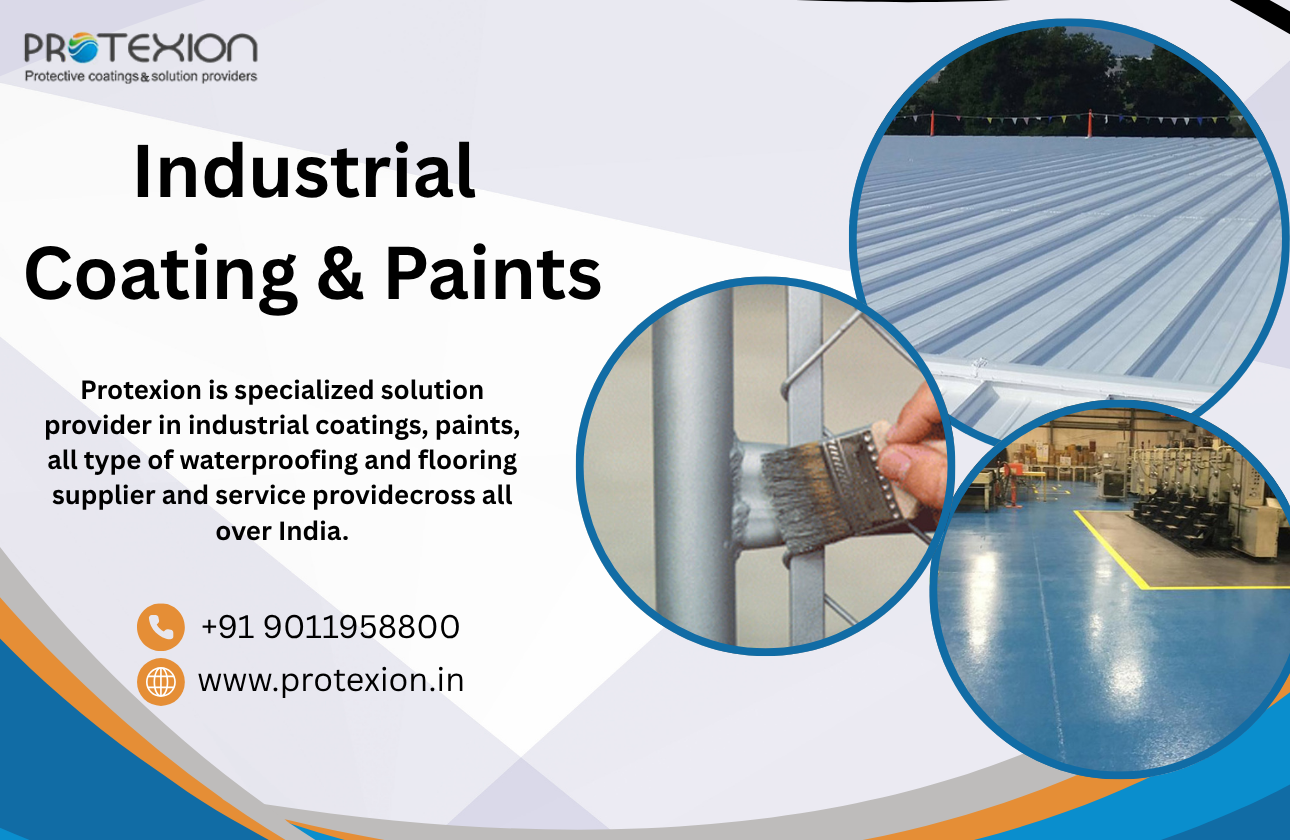
Heat Insulation Coating
Heat insulation coating is a revolutionary technology designed to reduce heat transfer in buildings. These coatings can be applied to walls, roofs, and other surfaces to help maintain a comfortable indoor temperature. The main component of this type of coating is a polymeric compound that forms a thin layer over the substrate. This layer reduces heat transfer by reflecting infrared radiation and providing a barrier to heat flow. By using heat insulation coating, buildings can become more energy-efficient, reducing the reliance on heating and cooling systems. This not only cuts down on energy bills but also contributes to a healthier environment by lowering carbon emissions.
Heat Insulation Paint
Similar to coatings, heat insulation paint is formulated to provide thermal resistance for various surfaces. The key difference is the application method and the composition that is often designed for easier application with brushes or rollers. Heat insulation paint works by creating a heat-reflective surface that minimizes heat absorption. This type of paint is particularly beneficial for homes and commercial buildings in sunny climates. Just like heat insulation coating, it offers an efficient way to improve energy efficiency and decrease the workload on HVAC systems.
The Benefits of Heat Insulation Solutions
One of the main advantages of using heat insulation coatings and paints is enhanced energy efficiency. By reducing heat transfer, these solutions can lower the demand for air conditioning in summer and heating in winter. This results in significant cost savings on energy bills. Additionally, cool roof coatings are particularly effective in urban settings to combat the heat island effect, which is when urban areas become significantly warmer than their rural surroundings.
Applications of Heat Insulation Coatings
Heat insulation coatings can be used in a variety of applications. These include residential buildings, commercial structures, and industrial facilities. They can be directly applied to surfaces such as marine-grade paints, metal roofs, concrete walls, and even pipelines to prevent heat loss. The application is straightforward, often requiring minimal surface preparation. Heat insulation coatings can also protect the base material from thermal shock and weathering, extending the lifespan of the substrate.
Practical Considerations for Selection
When choosing between heat insulation coating and paint, consider factors such as the surface area to be covered, ease of application, and climate conditions. While some might prefer paints for DIY projects due to ease of use, others might opt for coatings for their long-lasting properties. It's also essential to consult with professionals to ensure the right product is used for the specific needs of the structure. Using trusted sources like chemical-resistant coatings experts can help guide the decision process effectively.
Frequently Asked Questions
1. What is the primary purpose of heat insulation coating?
Answer: The primary purpose of heat insulation coating is to minimize heat transfer between the interior and exterior of a building. This helps maintain a consistent indoor temperature, reducing the need for heating and cooling systems and saving on energy costs.
2. How long does heat insulation paint last?
Answer: The lifespan of heat insulation paint depends on factors like the type of paint used and environmental conditions. Generally, these paints are made to last multiple years with proper application and maintenance, with durability being a key factor when investing in such products.
3. Can heat insulation coatings be applied over existing paint?
Answer: Yes, heat insulation coatings can be applied over existing paint, but it's essential to ensure the surface is clean and free of debris. Some older or damaged paints might need to be removed for optimal adhesion and effectiveness.
4. Are there any environmental benefits to using heat insulation coatings and paints?
Answer: Yes, by reducing the need for energy-intensive climate control systems, heat-reflective coatings significantly lower carbon emissions. This contributes positively to reducing overall environmental impact and combating climate change.
5. Where can I purchase high-quality heat insulation coatings?
Answer: High-quality heat insulation coatings can be purchased from specialized suppliers or online. It's crucial to buy from reputable sources to ensure the materials meet safety and performance standards. Websites like Protexion offer a wide range of options to suit various applications.