
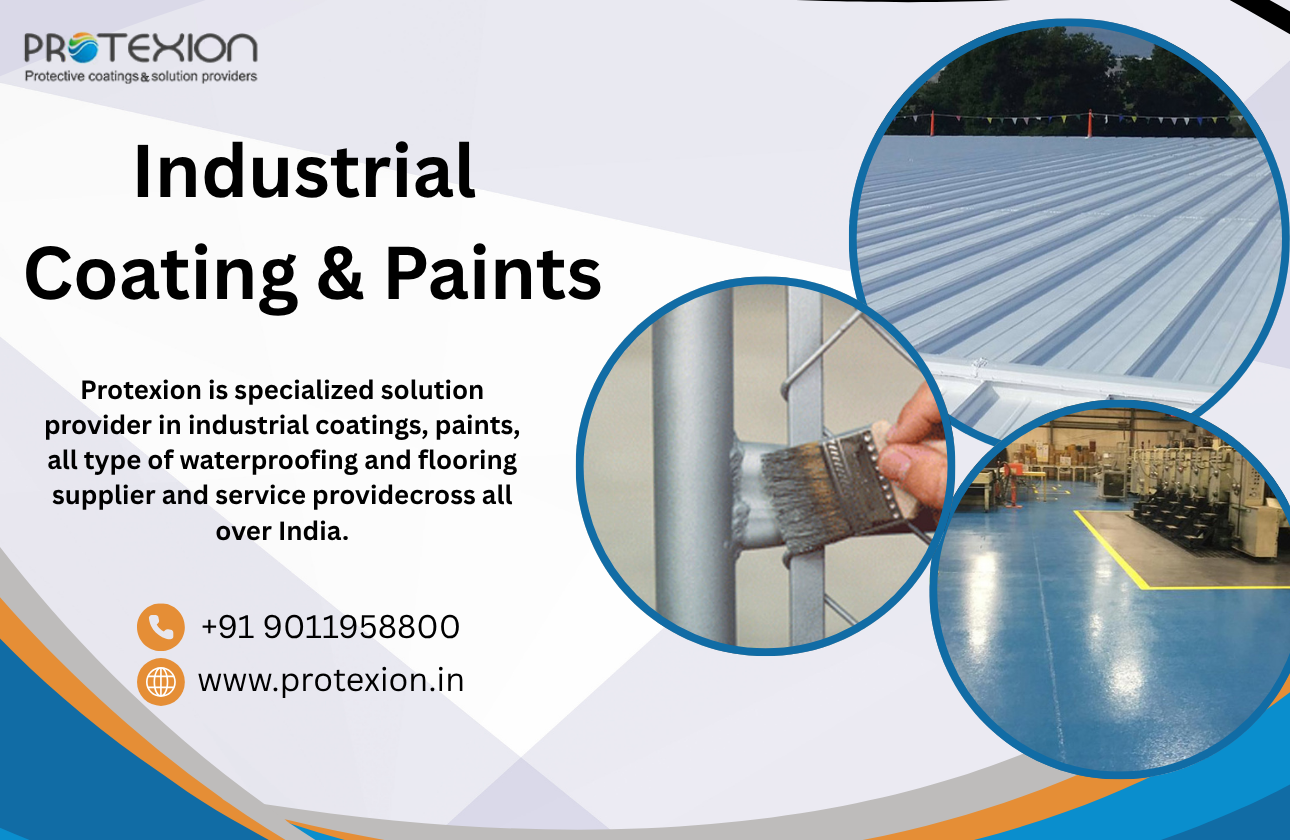
Introduction
Heat insulation coatings and paints are great innovations in the world of construction and building maintenance. With energy costs on the rise and a growing need to reduce our carbon footprint, choosing the right heat insulation products can make a significant difference. They are essential for maintaining indoor comfort while lowering energy consumption.
What is Heat Insulation Coating?
Heat insulation coating is a special solution designed to reduce heat transfer. Imagine a layer that's as thin as a sheet of paper, yet powerful enough to keep the heat out of your home or office! This coating is applied to surfaces to reflect sunlight and limit the amount of heat absorbed. When used on rooftops, walls, and sometimes even floors, this coat acts like a barrier that prevents warmth from seeping in during hot weather—improving comfort indoors. You can explore more about it from Protexion's Heat Insulation Coating.
How Does Heat Insulation Coating Work?
Heat insulation coating contains specific materials that reflect sunlight and disperse heat. By using this type of coating, surfaces can remain cooler, thus reducing the need for air conditioning and minimizing energy bills. These coatings often include ceramic compounds or silicate-based materials because these materials are excellent at scattering heat. When applied to a structure, the coating reflects infrared rays, reducing the warmth absorbed by the building's surface. Learn more on this from exploring heat insulation coating and paint.
Benefits of Heat Insulation Coating
The benefits of using heat insulation coatings are numerous. First and foremost, they help in cutting down energy bills significantly by allowing better control over indoor temperatures. Additionally, by minimizing the internal temperature rise, these coatings help prolong the life of your existing HVAC systems. Not only do you save on energy, but you also save the environment by reducing energy usage! Also, enhancing building efficiency becomes possible with such advanced products.
The Role of Heat Insulation Paint
Heat insulation paint serves a purpose similar to heat insulation coating. It's formulated with similar compounds to deliver the reflective properties needed to maintain cooler surfaces. This paint is often used on roofs, walls, and even concrete surfaces where reducing heat gain is important. It's the type of paint that does more than add color; it offers a protective barrier against extreme warm weather. For homeowners and businesses alike, using heat reflective coating options is a step towards more energy-efficient living.
Heat Insulation Paint vs. Coating
While both heat insulation paint and coating aim to reduce heat gain, the difference boils down to their application and effectiveness. Coatings are more robust and better for large-scale applications such as industrial buildings or warehouses. Paints, on the other hand, offer versatility and can be applied with ease, just like regular paint. The choice between the two often depends on the specific needs of the project and budget constraints. You might also consider using other innovative solutions like marine-grade coatings which offer additional protective benefits.
Frequently Asked Questions
1. What is the primary purpose of heat insulation coating?
Answer: The main purpose is to reduce heat transfer and improve energy efficiency by reflecting sunlight and minimizing the heat absorbed by surfaces.
2. Can heat insulation paint be used on any surface?
Answer: It is generally applied to roofs, walls, and certain concrete surfaces—where controlling heat is crucial. However, it's best to check the manufacturer's recommendations for compatibility.
3. How long do heat insulation coatings last?
Answer: Typically, these coatings last for years, depending on the quality of the product and environmental conditions. Regular maintenance can further extend their lifespan.
4. Do heat insulation products require professional installation?
Answer: While it's possible to apply heat insulation paint or coating on your own, professional application ensures optimal coverage and effectiveness.
5. Is there a difference in water resistance between paint and coating?
Answer: Yes, coatings often provide better water resistance compared to paints, making them more suitable for locations with high humidity or rainfall.