
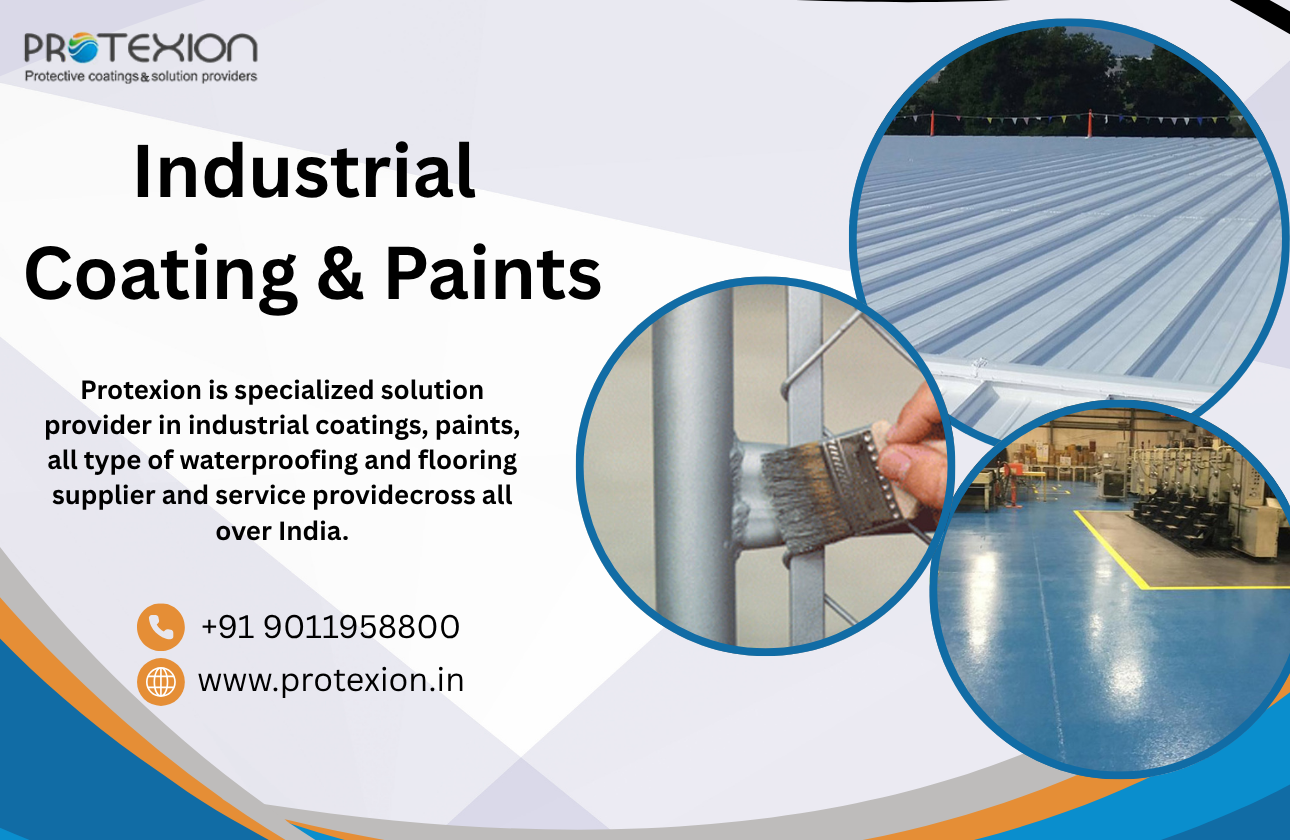
Understanding Heat Insulation Coating
With rising energy costs and a growing awareness of sustainability, finding ways to improve energy efficiency in buildings has become essential. One of the most effective solutions is using heat insulation coatings. These specialized coatings are designed to reduce heat transfer, keeping buildings cooler in summer and warmer in winter. Whether for residential or commercial use, heat insulation coatings are applied to various surfaces like roofs, walls, and floors. By blocking and reflecting heat, they significantly reduce the need for additional cooling or heating, leading to lower energy bills and a smaller carbon footprint.
The Science Behind Heat Insulation Coating
Heat insulation coatings contain materials that inhibit heat transfer. The primary component is often a reflective element like titanium dioxide, which deflects infrared rays, a major source of heat. These coatings also include microspheres or nanotechnology that enhance their thermal efficiency. The outcome is a product that effectively maintains indoor temperatures. In buildings with cool roof coatings, the added layer of heat insulation coating amplifies their cooling effect, demonstrating superior temperature control.
Applying Heat Insulation Coatings
The process of applying heat insulation coatings is accessible and beneficial regardless of the building type. First, surfaces should be thoroughly cleaned and prepped to ensure proper adhesion. The coating can be applied using a brush, roller, or spray, depending on the area size and location. It's crucial to apply it evenly for maximum efficiency. Once cured, these coatings provide lasting effects that can weather various environmental conditions.
Heat Insulation Paint: An Efficient Alternative
Heat insulation paint functions similarly to its coating counterpart, with its ease of use being a major advantage. This paint is designed to be applied like regular paint, yet it offers the same thermal protection benefits. It can be easily used in existing structures without significant structural changes. Users have reported improvements in comfort levels and cost savings on energy bills, making it an appealing choice for both homeowners and businesses.
Key Benefits of Heat Insulation Paint
One of the main advantages of heat insulation paint is its simplicity. It is versatile and easy to apply, even for those with limited DIY experience. The paint's reflective properties reduce the amount of energy required to maintain a stable temperature inside. This feature not only provides monetary savings but also minimizes the environmental impact of energy consumption. Moreover, heat insulation paint is an excellent option for spaces where traditional insulation doesn’t fit or isn't cost-effective, such as attics or basements.
Comparing Heat Insulation Coating and Paint
While both products aim to achieve the same goal—improving energy efficiency—the choice depends on specific needs and circumstances. Heat insulation coatings are generally more suited for larger surfaces and require a more thorough application process. On the other hand, heat insulation paints are often preferred for ease of application and immediate results. In either case, both form part of a comprehensive solution to control indoor temperature effectively.
Applications in Different Sectors
The potential applications for heat insulation coatings and paints are vast, spanning from residential homes to large-scale industrial facilities. Hospitals, schools, and commercial offices benefit from these solutions, as they lead to healthier indoor environments and operational savings. For instance, industrial applications often involve extensive surface areas that demand enhanced temperature control to safeguard machinery and products. Heat insulation coatings serve as a protective barrier that can drastically improve operational efficiency.
Maintenance and Longevity
Once applied, both heat insulation coatings and paints require minimal maintenance, offering long-lasting protection. Their durability is attributed to a high resistance to weather and environmental stressors, making them a worthwhile investment. Regular checks ensure coverage remains intact but otherwise, they offer a 'set-and-forget' advantage.
How It Contributes to Sustainability
Utilizing heat insulation solutions contributes significantly to sustainable building practices. By decreasing reliance on air conditioning and heating systems, applying these coatings aids in reducing energy consumption, thereby cutting down on greenhouse gas emissions. As industries seek to comply with stricter environmental guidelines, adopting technologies like heat insulation coatings is an action step towards a greener future.
Cost Considerations
While the initial cost of heat insulation coatings and paint might be higher than regular paint, the returns in terms of energy savings make them a cost-effective choice. Many suppliers offer competitive pricing, and considering the long-term savings on energy bills, they prove economical. To fully maximize the benefits, it's advisable to consult with a professional to assess specific building needs and ensure the right product application.
Future Developments in Heat Insulation Technology
As the demand for energy-efficient solutions increases, innovations in heat insulation technology continue to evolve. New materials and application techniques are being developed to offer even greater performance and adaptability to a wide array of structures. For those seeking the latest in energy efficiency, staying informed about advancements in the field is crucial for leveraging these technologies to their full potential.
Frequently Asked Questions
1. What is the difference between heat insulation paint and regular paint?
Answer: Unlike regular paint, heat insulation paint contains special materials that reflect heat away from surfaces, helping to maintain a more consistent indoor temperature.
2. Can heat insulation coatings be used on all types of buildings?
Answer: Yes, heat insulation coatings are versatile and can be used on various buildings, including residential, commercial, and industrial structures.
3. How does applying a heat insulation coating help save costs?
Answer: By reducing the reliance on air conditioning or heating systems, heat insulation coatings decrease energy usage, leading to lower utility bills.
4. Are there environmental benefits to using heat insulation coatings?
Answer: Using heat insulation coatings reduces energy consumption and the associated greenhouse gas emissions, contributing to more sustainable building practices.
5. Is professional help required to apply heat insulation coatings?
Answer: While it's possible to apply it yourself, professional application ensures optimal coverage and effectiveness, especially for larger and more complex projects.