
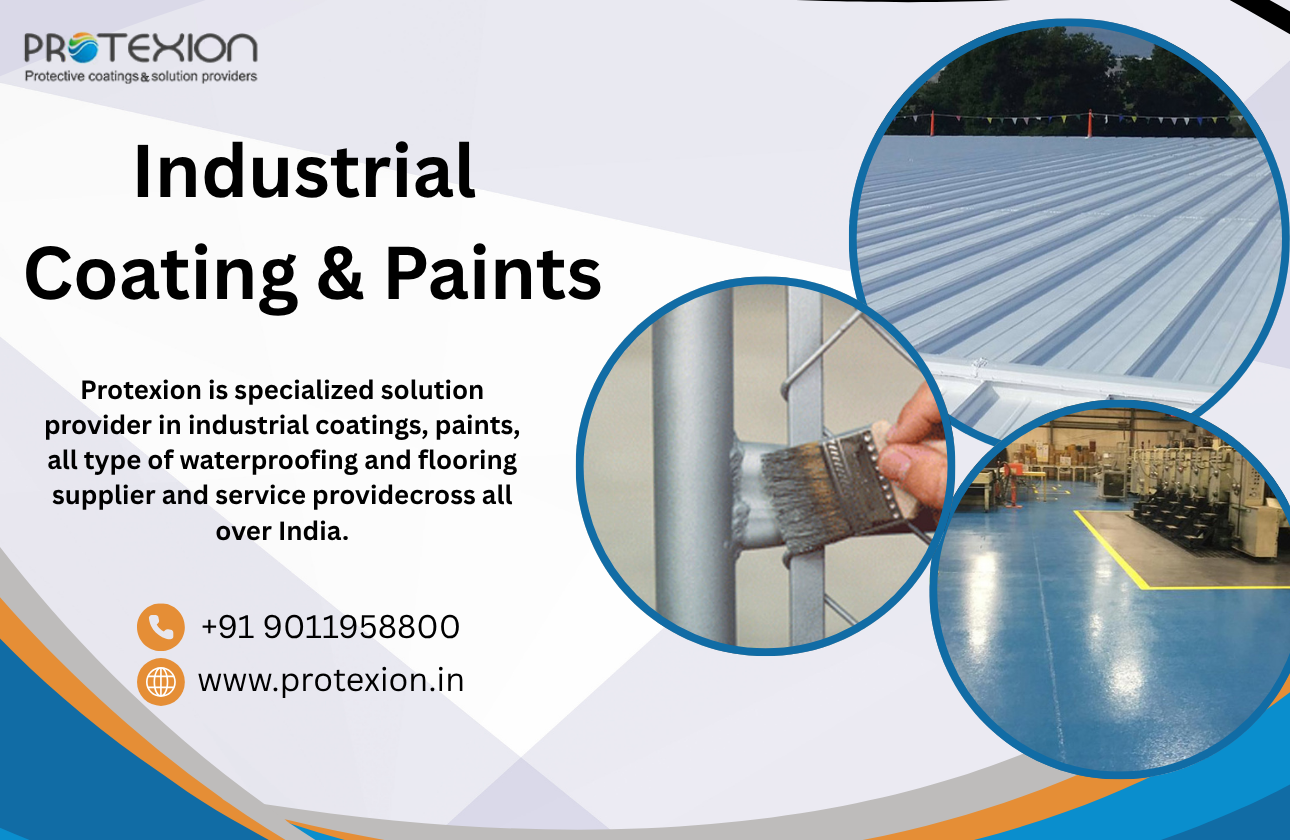
The Importance of Heat Insulation Coatings
Heat insulation coatings have become incredibly important in today's energy-conscious world. Used in buildings, these coatings help manage temperature and reduce energy costs. By applying a specialized coating to walls, roofs, or other surfaces, buildings can maintain cooler temperatures in hot weather and retain warmth when it's cold outside. This not only enhances comfort but also significantly reduces the need for air conditioning and heating. The financial savings can be substantial over time, and the environmental benefits are a bonus as it reduces the strain on heating and cooling systems. In essence, investing in heat insulation coatings is a smart move for both residential and commercial property owners looking to cut down energy expenses and contribute to a greener planet.
How Heat Insulation Coatings Work
The technology behind heat insulation coatings is fascinating yet straightforward. These coatings use substances that either reflect heat away or insulate a surface to reduce heat transfer. The magic happens at a microscopic level where tiny insulating particles create a barrier that neither allows heat in nor out, moderating the temperature effectively. A well-applied heat insulation coating can keep a building's interior cool during sweltering summers and hold warmth during the chill of winter. The composition of these coatings often includes materials like acrylics, ceramics, or even unique polymers that are engineered to withstand harsh environmental conditions, providing durability along with temperature moderation.
Heat Insulation Paint: A Versatile Solution
Similar to coatings, heat insulation paint offers a simple yet effective solution to temperature control. Unlike traditional paint, heat insulation paint contains properties that make it resistant to temperature changes. It acts much like a jacket for your home or office, reflecting harmful UV rays and keeping the inside temperature stable. This kind of paint is ideal for surfaces that experience direct sunlight, which often leads to an increase in internal room temperatures. Applying insulation paint is one of the easiest ways to enhance the energy efficiency of a building without the complexity of installing additional insulation materials.
Applications of Heat Insulation Coatings
Heat insulation coatings find applications in a variety of settings. They are frequently used in residential homes, commercial buildings, and even in industrial facilities. In residential settings, applying these coatings on roofs and walls can dramatically enhance thermal comfort. For commercial buildings, these coatings provide a cost-effective solution to maintain energy bills in check while meeting environmental standards. Industrial facilities, with vast surface areas, benefit immensely by lowering energy consumption. Whether it’s a house, an office block, or a factory, the adaptability of heat insulation coatings offers universal benefits across different environments and structures, helping to keep operational costs low and indoor climates manageable.
The Economic Benefits of Heat Insulation
Investing in heat insulation coatings and paints may initially seem like a significant expense, but the long-term savings are undeniable. By reducing the reliance on HVAC systems, energy bills drastically decrease, leading to substantial financial savings. The return on investment is usually quick, with property owners recouping their initial outlay through lower monthly energy bills. Moreover, buildings with thermal insulation are more attractive to potential buyers or renters, as they promise lower utility costs and a more sustainable living environment. The increase in property value adds an additional economic advantage to using these coatings.
Environmental Impact of Insulation Coatings
From an environmental standpoint, the benefits of heat insulation coatings cannot be overstated. By limiting the need for additional heating and cooling, these coatings directly result in a reduction of carbon emissions associated with energy production. This reduction is particularly significant for large buildings, where energy usage is substantial. By lessening our reliance on fossil fuels and electricity, we significantly contribute to environmental preservation. Additionally, some insulation coatings themselves are made from eco-friendly materials, further minimizing the environmental footprint of construction and renovation projects.
Choosing the Right Insulation Solution
Selecting the appropriate heat insulation product should be based on several factors including building structure, local climate, and budget. While traditional insulation materials like fiberglass are effective, combining them with high-temperature coatings or paints can offer a more comprehensive insulation system. Engage with experts or contractors who can recommend specific products and application techniques that meet your specific needs. Taking a strategic approach to insulation ensures maximum efficiency and longevity, an essential consideration for both short-term fixes and long-term solutions.
Installation Process and Considerations
Applying a heat insulation coating or paint requires careful preparation and precision. To achieve the best results, surfaces must be cleaned and prepped adequately before application. Many products are designed for easy application, but professional installation can help achieve a flawless finish, ensuring that the coating forms a durable barrier against heat transfer. It's important to follow the manufacturer's guidelines on coverage rates and drying times to maximize the efficiency of the insulation layer. Careful attention to detail during the installation process is crucial to leveraging the full benefits of heat insulation coatings.
Innovation in Heat Insulation Technologies
The field of heat insulation is continuously evolving with new technologies enhancing the effectiveness of these solutions. Innovations like super hydrophobic coatings that repel water, as well as coatings that integrate cooling polymers, are expanding the possibilities for energy-efficient design. These advancements mean that modern insulation coats go beyond traditional thermal management, contributing to moisture control and surface protection. Staying abreast of these innovations ensures that property owners make informed decisions about the products that are most beneficial for their specific needs.
Frequently Asked Questions
1. What are heat insulation coatings and paints?
Answer: Heat insulation coatings and paints are specialized products designed to reduce heat transfer through surfaces. They help maintain a stable indoor temperature regardless of external weather conditions.
2. How do heat insulation products reduce energy costs?
Answer: By providing a thermal barrier, these products reduce the need for heating and cooling, resulting in lower energy consumption and decreased utility bills.
3. Where can heat insulation coatings be applied?
Answer: These coatings can be applied to walls, roofs, and other surfaces exposed to temperature fluctuations, both in residential and commercial settings.
4. Are heat insulation coatings environmentally friendly?
Answer: Yes, many coatings are made from eco-friendly materials and help reduce carbon emissions by minimizing energy usage.
5. Can I apply heat insulation paint myself?
Answer: While DIY application is possible, professional installation is often recommended to ensure optimal coverage and effectiveness.