
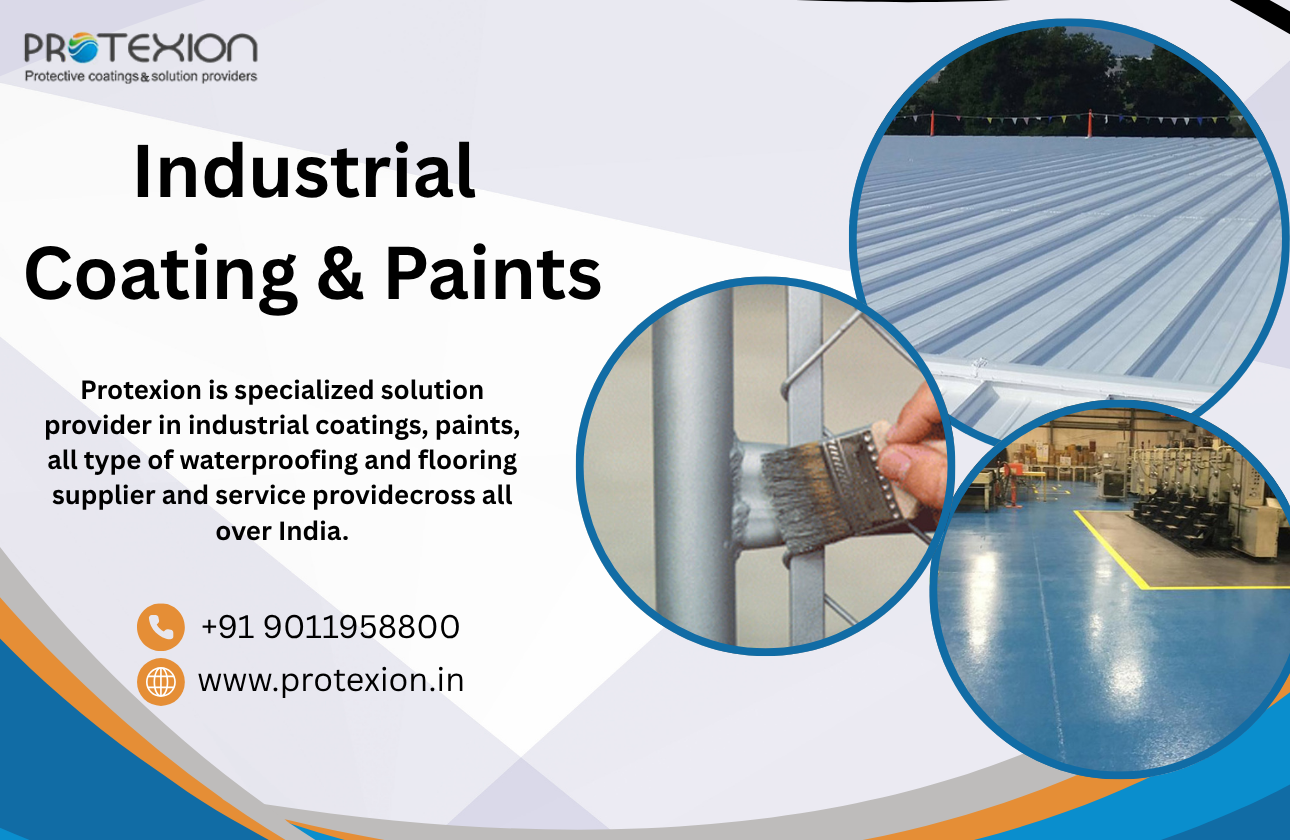
Introduction to Heat Reflective Paint
Heat reflective paint is a revolutionary solution designed to improve the energy efficiency of buildings by minimizing the amount of heat absorbed. This type of paint uses advanced technology to reflect more sunlight compared to regular paints. The concept is simple: by reflecting a higher percentage of solar radiation, less heat is transferred into the building. This can significantly reduce the indoor temperatures and lessen the workload on air conditioning systems during hot weather.
Benefits of Using Heat Reflective Paint
There are numerous benefits to using heat reflective paint. For starters, it can lead to a substantial reduction in energy bills. By decreasing the heat intake, less energy is required to cool the building. This not only saves money but also reduces the environmental impact. Furthermore, these paints contribute to the increased lifespan of roofs and surfaces by protecting them from thermal stress. By maintaining a cooler structure, materials are less prone to wear and tear associated with thermal expansion and contraction.
Application Areas of Heat Reflective Paint
Heat reflective paint can be applied to various surfaces, including roofs, walls, and even pavements. Its versatility makes it suitable for both residential and commercial buildings. In homes, it can enhance comfort levels by keeping rooms cooler. For commercial buildings, the paint can help maintain a stable indoor climate, which is beneficial in creating a comfortable environment for employees and customers. Buildings in urban areas especially benefit from heat reflective paint due to the urban heat island effect, where temperatures are higher compared to rural areas.
Introduction to Heat Reflective Coating
While similar to paints, heat reflective coatings are formulated with more robust properties for industrial and commercial applications. These coatings incorporate specialized chemicals and materials that enhance their reflective properties and durability. Heat reflective coatings are often used in environments that demand higher performance, such as factories, warehouses, and buildings in extreme climates.
Advantages of Heat Reflective Coating
Using heat reflective coating offers advantages beyond just energy savings. These coatings are designed to withstand harsher environmental conditions than standard paints. They provide improved resistance to elements such as UV rays, rain, and extreme temperature fluctuations. In addition, cool roof coatings are a subtype of heat reflective coatings specifically designed for roofs, further extending the roof’s life and keeping the building’s upper floors more comfortable.
Choosing Between Heat Reflective Paint and Coating
The choice between heat reflective paint and coating depends on several factors such as the purpose, environment, and surface being treated. Paints are typically easier to apply and suitable for residential applications and areas with minimal exposure to harsh conditions. In contrast, coatings may be more appropriate for commercial and industrial settings where durability is paramount. Consulting with a professional can guide you in selecting the most suitable solution for your needs. Discover more benefits by considering your specific requirements.
Key Considerations When Applying Heat Reflective Solutions
Before applying any heat reflective solution, it’s essential to consider the climate, building usage, and budget. The implementation should be part of a broader strategy for energy efficiency. Moreover, proper preparation of the surface is crucial to maximize the effectiveness of heat reflective paints and coatings. Ensure that surfaces are clean, dry, and in good condition to ensure adequate adhesion. In certain cases, a primer may be necessary to achieve the best performance. Checklists for application can assist during the process.
The Role of Heat Reflective Paint in Sustainability
The use of heat reflective paints directly contributes to sustainability by lowering energy consumption and reducing greenhouse gas emissions. This is particularly important in the context of climate change, where every small step towards reduction of energy usage counts. In addition to financial savings, you also support environmental goals by opting for these paints. Areas suffering from heatwaves can greatly benefit from reflective paints, leading to a noticeable difference in indoor temperatures without relying heavily on air conditioning.
Innovations in Heat Reflective Technology
The field of heat reflective materials is continuously evolving. Researchers are developing new formulations that increase the reflectivity and longevity of these products. Innovations like nanotechnology are being explored to create even more effective solutions. Products available today are the result of decades of research and development aimed at optimizing energy efficiency. As the technology advances, the future of heat management looks promising with potential improvements in performance and cost-effectiveness.
Frequently Asked Questions
1. What is the difference between heat reflective paint and coating?
Answer: Heat reflective paint is generally used for residential applications and is easier to apply, while heat reflective coating is more robust, used in industrial settings, and offers greater durability and protection.
2. Are heat reflective solutions expensive?
Answer: Initially, they can cost more than regular paints. However, the savings on energy bills overtime and the potential protection they offer to building materials make them a cost-effective solution.
3. How much energy can be saved using these solutions?
Answer: Energy savings depend on the climate and the specific properties of the building. Homes in hotter climates may see more significant savings compared to those in moderate climates.
4. Can I apply heat reflective paint myself?
Answer: While DIY application is possible for heat reflective paints, professional application is recommended for coatings to ensure optimal performance and longevity.
5. Do heat reflective coatings affect the appearance of buildings?
Answer: They can change the appearance slightly due to their reflective properties, but many products come in different colors and finishes to match your aesthetic preferences.