
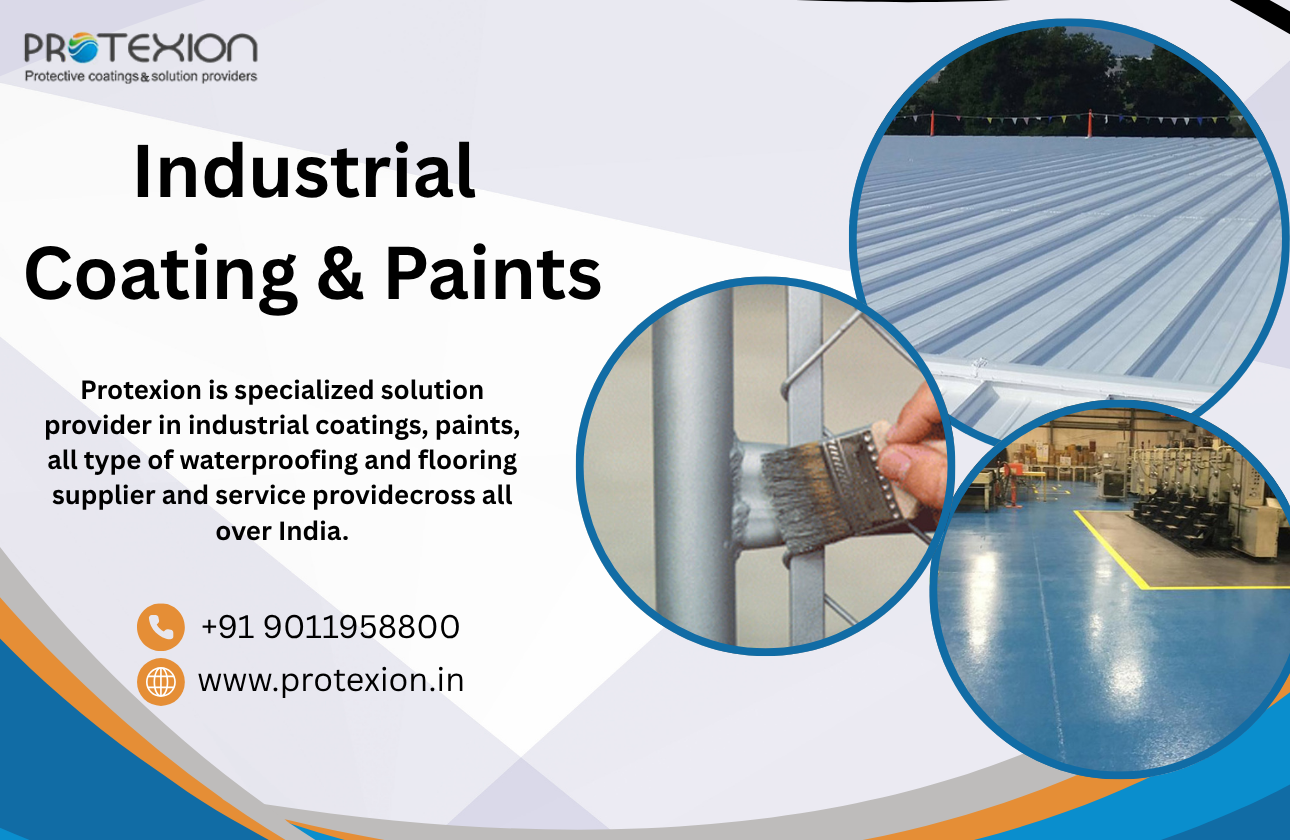
Introduction to Hydrophobic Paint
Hydrophobic paint is quite fascinating because it can repel water and help protect surfaces from moisture damage. This type of paint forms a layer on the surface that makes water droplets bounce off instead of soaking in, much like what you would observe with a waxed car. You might be thinking, why does this matter? Well, such paints are particularly useful in regions prone to heavy rainfall, protecting buildings, bridges, and even vehicles from constant exposure to moisture. Just imagine having walls that repel water effectively! This technology can reduce maintenance costs and prolong the life of your surfaces. Hydrophobic paints are not only about resisting water; they also offer some level of resistance against stains and can make cleaning a lot easier, which is a blessing for both personal and business contexts.
How Does Hydrophobic Paint Work?
The science behind hydrophobic paint is rooted in its microscopic structure. The surface of hydrophobic paint creates a barrier full of tiny pockets of air, making it difficult for water molecules to stick around. Think about how a lotus leaf repels water—it's a bit similar. This effect is generally achieved by using water-repellent materials that integrate with the paint. These materials can include various types of polymers and silicones. It's fascinating to see science at work in such a practical way. When water hits the surface, it forms beads and rolls off, taking dirt and grime with it. That's why many industries are turning to this wonderful technology, offering excellent protection and easier maintenance.
Benefits of Hydrophobic Paint
There are numerous advantages of using hydrophobic paint. First and foremost, it extends the lifespan of surfaces by shielding them from environmental elements. Think about rain, dew, or even snow—all these can cause wear over time. With a hydrophobic layer, the effects of these elements are significantly reduced. Moreover, shelves, walls, or vehicles treated with this paint stay clean longer because the paint’s surface does not allow dust and dirt to cling easily. This is called the 'self-cleaning' effect, which is a huge advantage especially in industrial settings where aesthetics and hygiene are important. Various parts of your home or business property can be treated with hydrophobic paint, from roofs to fences, enhancing the overall durability.
Application Techniques
Applying hydrophobic paint is much like applying any other paint, but there are some key points to consider for the best results. Surface preparation is crucial; the more even and clean the surface, the better the paint will adhere and function. This might involve sanding or priming depending on the material at hand. The paint can be applied using standard brushes, rollers, or spray guns, and it generally requires more than one coat for optimal effectiveness. It’s essential to follow the manufacturer's guidelines regarding drying times between coats and general application methods. These simple steps can help achieve a robust and long-lasting hydrophobic effect that stands the test of time.
Super Hydrophobic Paint: An Advanced Protection
Super hydrophobic paint takes the capabilities of regular hydrophobic paint up a notch. It creates a surface that is even more resistant to water and other liquids. This paint integrates advanced nanotechnology to enhance its water-repelling properties, making it exceptionally effective. Picture a surface that not only repels water but also prevents the buildup of salt, ice, and dirt. Super hydrophobic paints are often used in extreme environments, such as marine settings or industrial facilities, where protection against harsh elements is critical. Its extreme repellency means that cleaning and maintenance require even less effort than with standard hydrophobic paints. It is an exciting development, paving the way for extensive applications across various industries, including automotive, aerospace, and construction.
How Super Hydrophobic Paint Works
The innovation behind super hydrophobic paint involves creating an even more complex surface at the microscopic level. By using polymers and advanced materials such as nanoparticles, these paints achieve an 'ultra' water-repellent effect. Imagine water droplets bouncing off a surface practically without leaving a trace—that's a super hydrophobic paint job! This is not only fascinating but also highly beneficial in practical terms. For example, in the automobile industry, vehicles painted with super hydrophobic paint can resist mud and dirt accumulation during rainy and snowy conditions. It's fascinating to think about how these small-scale innovations can produce such significant, visible results.
Industries that Benefit from Super Hydrophobic Paint
Several sectors benefit greatly from super hydrophobic paint. In the marine industry, ships and boats can minimize corrosion issues caused by constant contact with seawater. For buildings situated in coastal areas, such paint can protect against saltwater damage. The aviation industry also sees benefits as aircraft can maintain cleaner surfaces longer when exposed to high altitudes with varying weather conditions. Then, there's the automotive and transportation sector where super hydrophobic coatings contribute to car body protection, reducing corrosion and easing cleaning and maintenance efforts. Each of these industries benefits enormously from these highly specialized paints as they reduce wear and tear, improving safety and efficiency overall.
Frequently Asked Questions
1. Can I apply hydrophobic paint myself?
Answer: Yes, you can apply hydrophobic paint yourself as it is similar to standard paint application. Follow the instructions on the product label, and ensure the surface is clean and well-prepped.
2. How long does hydrophobic paint last?
Answer: The longevity of hydrophobic paint varies based on exposure to elements, but generally, it can last anywhere from two to five years. Regular maintenance can extend its lifespan.
3. Is super hydrophobic paint safe for all surfaces?
Answer: Super hydrophobic paint is versatile but may not adhere well to certain materials without a primer. It’s important to check compatibility with the specific surface you intend to paint.
4. Do super hydrophobic and hydrophobic paints need special care?
Answer: These paints typically require less maintenance. Regular checks for damage or wear and tear help maintain their effectiveness over time.
5. Can hydrophobic coatings improve energy efficiency?
Answer: In some cases, yes. By preventing moisture build-up, hydrophobic coatings can contribute indirectly to energy efficiency, especially in insulating structures or vehicles.