
Introduction to Polymeric Membrane Coating
Polymeric membrane coatings are increasingly found in a variety of construction applications due to their versatile nature. Essentially, polymeric membrane coatings are a type of protective layer made from polymer materials. These polymers offer benefits such as flexibility, durability, and water resistance, making them suitable for many different environments. By protecting structures against moisture, these coatings extend the life of buildings and reduce the need for frequent repairs. With increasing awareness of sustainability, these coatings help minimize environmental impact while maintaining structural integrity.
Benefits of Polymeric Membrane Coating
One of the most notable advantages of using polymeric membrane coatings is their ability to provide enhanced waterproofing. This is crucial, especially in areas prone to heavy rainfall, as these coatings help maintain dryness in buildings and prevent the growth of mold and mildew. Besides their waterproofing capabilities, these coatings also offer excellent flexibility, which allows them to move with the structure without cracking. This flexibility makes them particularly useful in seismic zones where buildings experience natural movement. Additionally, polymeric membranes are resistant to many chemicals, making them suitable for industrial applications.
Common Applications of Polymeric Membrane Coating
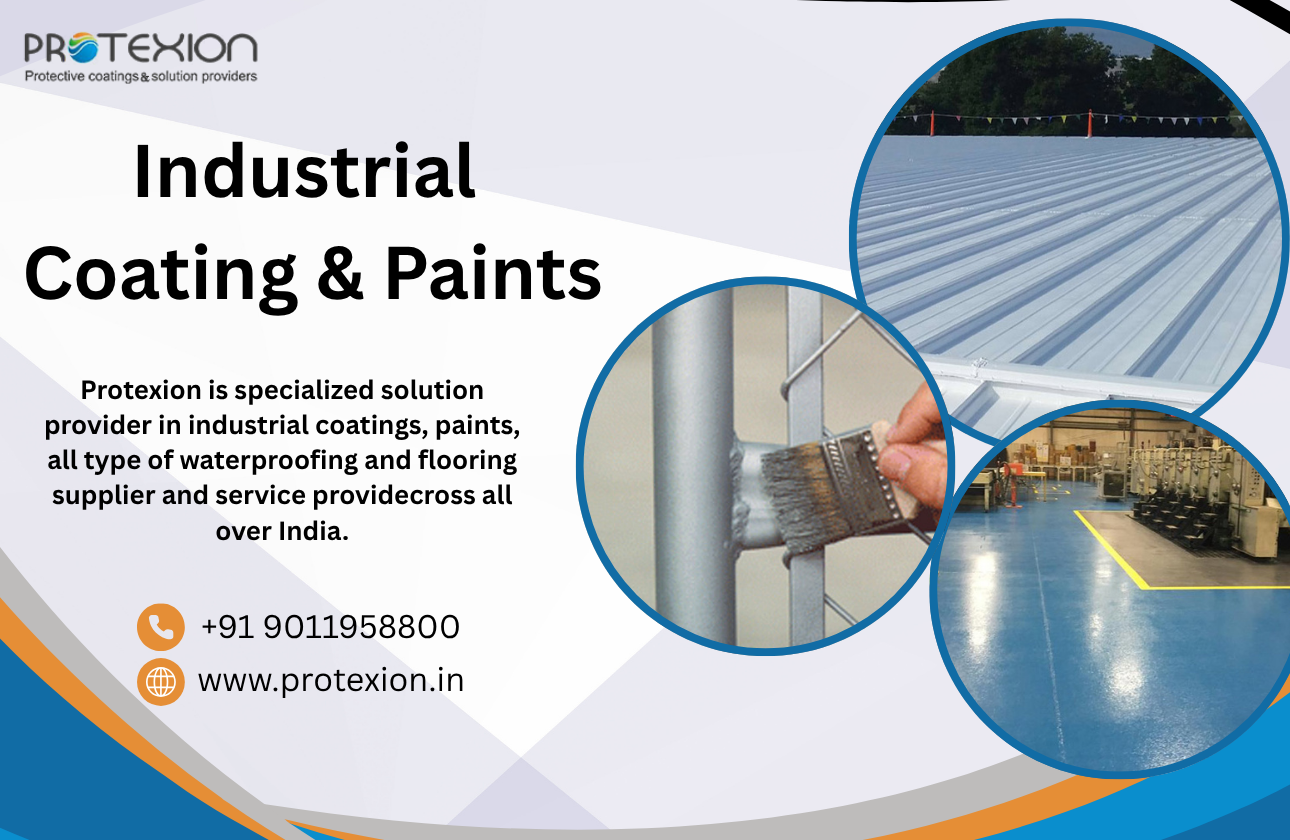
Polymeric membrane coatings serve numerous applications. They are often applied to roofs, basements, and walls as protection against moisture. Furthermore, they are employed in underground structures where water infiltration can be a significant challenge. In industrial sectors, these coatings are used to line storage tanks, piping systems, and containment areas to protect against chemical spills. Another emerging application is in transportation infrastructure like bridges, where they help safeguard the structural members from the impacts of weathering and corrosion, thus prolonging the lifespan of these critical constructions.
Choosing the Right Polymeric Membrane Coating
Selecting the appropriate polymeric membrane coating involves considering various factors such as the specific environmental conditions, the type of structure, and budgetary constraints. For instance, climates with high humidity levels may require coatings with advanced moisture-barrier properties. Buildings located in corrosive industrial environments might need coatings resistant to certain chemicals. It's always advisable to consult experts and consider the manufacturer’s specifications to ensure the selected coating will perform optimally over its expected lifespan. The choice may also be influenced by ecological considerations, pushing for the selection of eco-friendly materials that minimize environmental impact while maintaining efficiency.
Installation Process of Polymeric Membrane Coating
The application of polymeric membrane coatings typically involves a few carefully managed steps to ensure effective adhesion and performance. Initially, the surface must be thoroughly cleaned and prepared, removing any debris, dust, or old coatings that could prevent a secure seal. Next, a primer may be applied, especially on surfaces that are porous, to help the membrane adhere better. The coating can then be applied using a brush, roller, or sprayer, depending on the project's size and requirements. It’s crucial to follow the manufacturer's instructions closely during installation. Regular inspection and maintenance post-installation can also ensure long-term performance and protective benefits.
Innovations in Polymeric Membrane Coating
As technology evolves, so too does the development of coatings like polymeric membranes. Innovations include the enhancement of biodegradable formulations and the integration of nanotechnology, which allows for coatings with even greater water repellency and strength. These advancements effectively boost the capabilities of polymeric membranes, paving the way for their use in even more applications. Such innovations not only promise better performance but also contribute to sustainability efforts in the building and construction industry. Often, these coatings can be designed to possess additional properties like UV resistance, further expanding their protective scope.
Maintaining Polymeric Membrane Coatings
Regular maintenance is vital to ensure the longevity of polymeric membrane coatings. This involves periodic inspections to check for any signs of peeling, blistering, or wear. Any defects should be promptly repaired to prevent water intrusion or chemical exposure. Clean the surfaces gently with soap and water, avoiding abrasive materials or harsh chemicals that could damage the coating. In high-traffic areas, the frequency of maintenance might need to be increased to counteract the added wear and tear. Routine care not only extends the life of the coating but also maximizes its protective benefits.
Frequently Asked Questions
1. What is a polymeric membrane coating?
Answer: Polymeric membrane coating is a protective layer made from polymer materials designed to repel water and resist chemicals, commonly applied to roofs, basements, and industrial equipment.
2. Why would one choose polymeric membrane coating over traditional paint?
Answer: Unlike traditional paint, polymeric membrane coatings offer superior water and chemical resistance, flexibility, and durability, making them ideal for rigorous conditions and long-term protection.
3. Is the polymeric membrane coating environmentally friendly?
Answer: Many modern polymeric membrane coatings are designed with sustainability in mind, with options for eco-friendly formulas that reduce environmental impact while delivering effective protection.
4. Can polymeric membrane coatings be applied to any surface?
Answer: Polymeric membrane coatings are versatile but work best on surfaces such as concrete, metal, or wood. It's crucial to assess and prep the surface for optimal performance.
5. How long does a polymeric membrane coating last?
Answer: With proper application and maintenance, polymeric membrane coatings can last several years, with some formulations offering extended durability that supports long-term structural protection.