
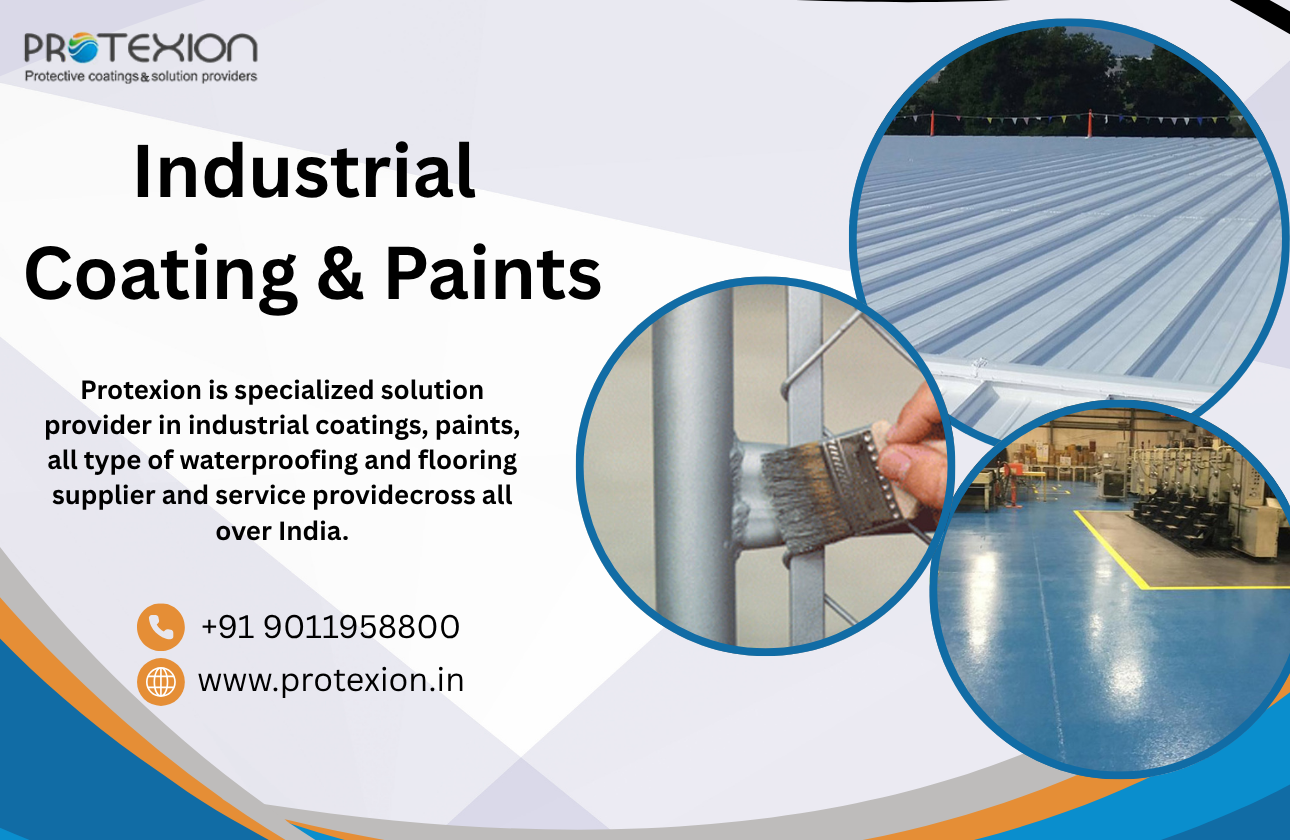
What is Polymeric Membrane Coating?
Polymeric membrane coating is a protective layer that provides long-lasting durability to surfaces. This kind of coating is widely used to safeguard structures and materials from environmental wear and chemical reactions. The core component is the polymer, which forms a film over the surface, blocking moisture, dirt, and other damaging elements. Unlike traditional paints, polymeric membrane coatings create a flexible barrier that expands and contracts with the surface. This property is essential in places with temperature variations, as it prevents cracking and peeling. It's an ideal choice for structures exposed to harsh environmental conditions, ensuring longevity and maintaining structural integrity.
Benefits of Polymeric Membrane Coating
One of the biggest advantages of polymeric membrane coatings is their ability to withstand harsh conditions. They resist UV rays, rain, and physical wear, making them suitable for outdoor use. These coatings also provide excellent heat resistance, acting as a shield against thermal stress. This coating maintains its efficiency in both hot and cold climates, preventing structural deterioration. Furthermore, polymeric membrane coatings are known for their chemical resistance, crucial for industrial applications where surfaces are exposed to corrosive substances. Their ease of application and long-lasting protection often result in lower maintenance costs, making them an economically beneficial choice for many.
Applications in the Construction Industry
In construction, polymeric membrane coatings are employed to protect rooftops, decks, and pavements. They form a watertight barrier that prevents water infiltration and damage. The elasticity of the coating allows for application on various surfaces, accommodating movements without cracking. Consider a rooftop, for example. Here the coating helps maintain the roof's aesthetic while protecting it from leaks and weather damage. Buildings in regions with heavy rainfall use these coatings extensively as they provide reliable waterproofing. For more details about waterproofing, you can visit Protexion's Waterproofing Solutions.
Role in the Industrial Sector
In industries, the role of polymeric membrane coatings is vital. These coatings protect equipment and facilities from corrosion and chemical damage, often encountered in manufacturing processes. Industries dealing with chemicals, oils, and other corrosive elements find this coating particularly beneficial. By preventing the surface from reacting with hazardous chemicals, the lifespan of machinery and structures is increased significantly. Moreover, the coating's resilience to temperature changes is key in industrial settings, where extremes in heat and cold are common. This versatility makes it a preferred choice in industrial protection, providing a reliable barrier that enhances safety and operational efficiency.
Advantages in Infrastructure Projects
Infrastructure projects such as bridges and roadways also benefit from polymeric membrane coatings. These structures are constantly exposed to environmental stressors like moisture and temperature changes, leading to material degradation over time. Applying a polymeric membrane coating can help extend the life of these structures by providing a protective layer that resists the harsh weather conditions. Furthermore, it adds a level of flexibility, accommodating the natural thermal expansion and contraction of materials. This minimizes cracks and breaks, reducing the need for frequent repairs and saving on maintenance costs. Overall, such coatings ensure that infrastructure remains resilient, translating into long-term economic and functional benefits.
Environmental Impact and Safety
The environmental impact of polymeric membrane coatings is generally positive. Unlike some chemical coatings, they often contain fewer volatile organic compounds (VOCs), reducing harmful emissions during application. Additionally, their ability to extend the lifespan of structures contributes to sustainability efforts by reducing the need for resource-intensive replacements. Being less prone to cracking and peeling, they also generate less waste. Safety is another aspect where these coatings score high, as they don’t flake when exposed to the elements, making them safe for surrounding natural habitats. For further insight into environmentally-friendly coatings, check out Chemical Resistant Coatings at Protexion.
Innovations and Future Trends
Research and development continue to push the boundaries of polymeric membrane coatings, promising even greater resilience and efficiency. New formulas aim to enhance properties like UV resistance, chemical stability, and self-healing capabilities. Some innovations also target application techniques, making it easier and faster to apply these coatings in various settings. Another trend is the integration of smart technology, where coatings can adapt to changes in environmental conditions autonomously. These developments not only improve performance but also broaden the scope of applications across industries. As the demand for sustainable and durable building materials grows, innovations in polymeric coatings will likely play a crucial role in future construction and industrial projects. More information about advancements in coating technologies can be found in the blog on Anti-Corrosion Coating Basics.
Frequently Asked Questions
1. What surfaces can benefit from polymeric membrane coatings?
Answer: Polymeric membrane coatings can be applied to a variety of surfaces, including metal, concrete, and wood. They are especially beneficial for surfaces exposed to harsh weather conditions or chemical environments.
2. How do polymeric coatings compare to traditional paint?
Answer: Unlike traditional paints, polymeric membrane coatings offer advanced flexibility and elasticity, which prevents them from cracking under temperature variations. They also provide superior resistant properties against chemicals and environmental elements.
3. Are polymeric membrane coatings eco-friendly?
Answer: Yes, many polymeric membrane coatings are formulated to contain fewer volatile organic compounds (VOCs), making them an environmentally safer choice compared to conventional paints.
4. How often do polymeric membrane coatings need to be reapplied?
Answer: The frequency of reapplication depends on the specific product and environmental conditions. Generally, these coatings are designed to be durable and require less frequent maintenance compared to other coatings or paints.
5. Can polymeric membrane coatings be used in high-temperature areas?
Answer: Yes, they are particularly effective in high-temperature environments as they resist thermal stress better than many other coating options. For more on high-temperature applications, check out High Temperature Coatings.