
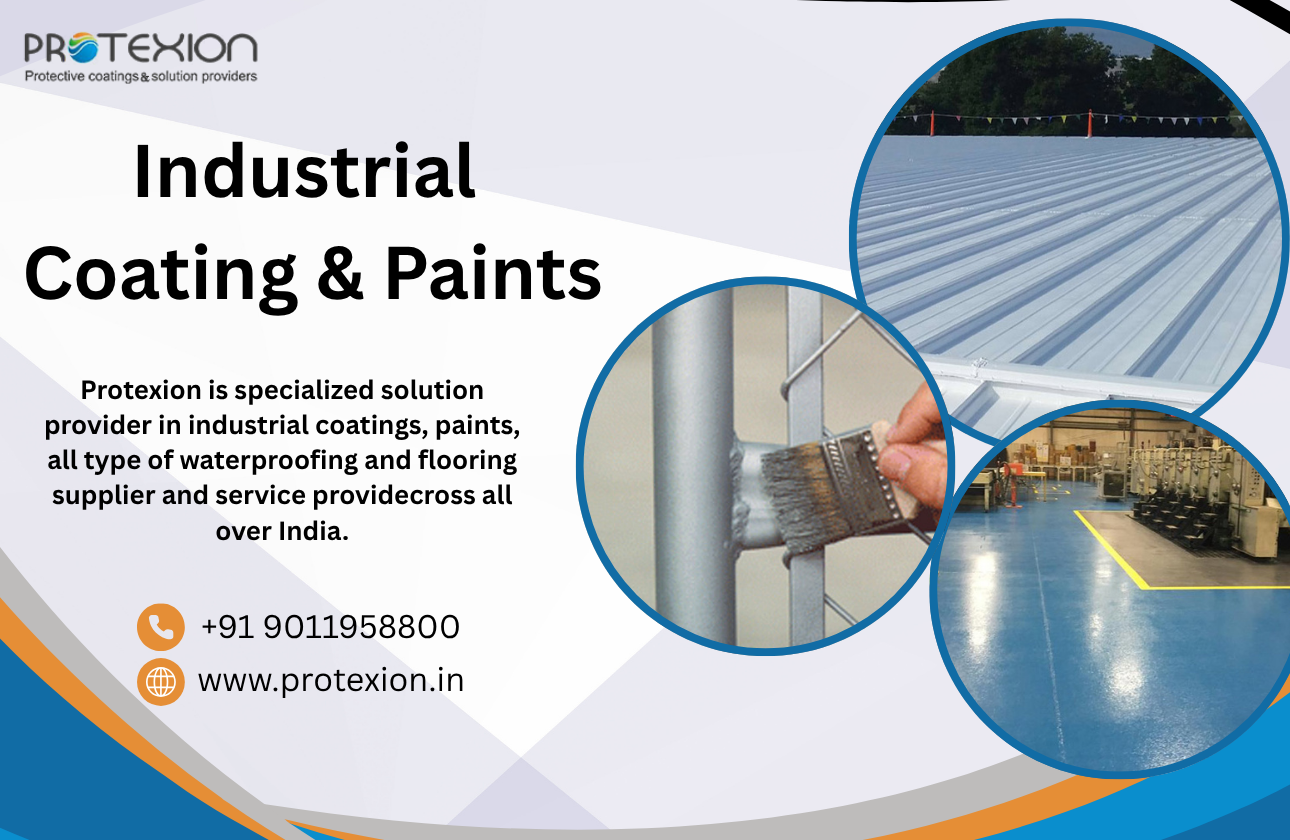
Introduction to Temperature Resistant Coating
Temperature resistant coatings are specialized paints and coatings designed to withstand extremely high temperatures. These coatings are commonly applied to surfaces exposed to high heat, such as industrial machinery, furnaces, and even household appliances. The primary function of these coatings is to protect substrates from thermal degradation and other heat-induced damages.
The Importance of Temperature Resistant Coatings
Why are temperature resistant coatings necessary? Imagine the efficiency of a manufacturing plant where machinery runs continuously at high temperatures. Without adequate protection, parts of this machinery could warp, crack, or even fail, leading to costly repairs and downtime. Temperature resistant coatings help address these concerns by providing a heat-resistant barrier that maintains the integrity and longevity of the machinery.
Benefits of Temperature Resistant Coatings
There are several benefits to using temperature resistant coatings. These include increased safety, as they can reduce the risk of fires caused by overheating. They also enhance energy efficiency by minimizing heat loss from systems, thus reducing energy costs. Additionally, these coatings can extend the life of equipment by protecting it from temperature-related wear and tear.
Materials Used in Temperature Resistant Coatings
The composition of temperature resistant coatings is crucial to their effectiveness. Common materials include silicone, epoxy, and various ceramics, each chosen for their specific thermal properties. Silicone-based coatings, for instance, are valued for their flexibility and ability to endure extreme heat. Epoxy coatings, while highly resistant, are often used where both chemical and thermal protection is necessary.
Applying Temperature Resistant Coatings
Application of these coatings requires careful preparation of the substrate. This usually involves cleaning the surface to ensure proper adhesion. The coating is then applied using techniques such as spraying or brushing. Proper application is crucial to ensure maximum efficiency and durability.
Understanding Heat Resistant Coating
Heat resistant coatings are a type of temperature resistant coating but with an added focus on protecting surfaces from direct heat exposure. These are particularly useful in environments like kitchens or fireplaces where direct flame contact might occur. Heat resistant coatings can handle temperatures ranging from 100 to 1000 degrees Celsius. Their primary role is to prevent discoloration, material weakening, and ensure the longevity of surfaces exposed to intense heat.
Benefits of Heat Resistant Coatings
One significant benefit of heat resistant coating is its ability to avert potential fire hazards by establishing a protective layer that reduces the ignition potential of the underlying surface. Moreover, it also helps in maintaining aesthetic finishes on heat-prone surfaces. This means you can maintain the original look of your appliances or structures without worrying about heat damage, which can lead to costly replacements and repairs.
About Aluminium Paint for Chimneys
Aluminium paint is another key component in the realm of heat-resistant solutions, particularly for chimneys. Made from aluminum flakes mixed with oil or other binders, this paint provides excellent heat resistance and reflective properties, making it perfect for chimneys which must withstand considerable thermal stress. The highly reflective nature of aluminium paint helps in deflecting heat away, keeping the surface cooler and reducing heat build-up, which is crucial for preventing structural damage.
Advantages of Aluminium Paint for Chimneys
Using aluminium paint on your chimney offers several advantages. It not only resists heat but also protects against corrosion which is common due to exposure to the elements and the acidic nature of chimney soot and smoke. Furthermore, its reflective capability ensures that the chimney doesn’t absorb too much heat, which can contribute to material fatigue over time. This type of paint is easy to apply and maintains a durable finish that can enhance the lifespan of your chimney.
Applications of Temperature and Heat Resistant Coatings
Temperature and heat resistant coatings are employed across various industries. In industrial settings, these coatings protect machinery and boilers. In construction, they are used on metal structures and roofing systems to prevent heat damage. Even homeowners use these coatings on cookers and grills to enhance longevity and safety. Each application demands specific formulations tailored to the temperature requirements and environmental conditions.
The Role of Temperature Resistant Coatings in Energy Conservation
Significantly, these coatings also play a crucial role in energy conservation. By preventing heat loss in industrial processes or enhancing the heat reflective capacity of building materials, temperature resistant coatings contribute to reduced energy consumption. This not only results in cost savings but also lessens environmental impact through lower energy demand.
Choosing the Right Coating for Your Needs
When selecting a temperature or heat resistant coating, consider the operating temperature, type of surface, and environmental exposure. Partnering with a reputable supplier can ensure you use a coating that meets all necessary specifications and performance criteria for your application.
Frequently Asked Questions
1. What is the difference between temperature resistant and heat resistant coatings?
Answer: While both aim to protect surfaces from heat damage, temperature resistant coatings are designed for high-temperature environments where heat resistance is a critical factor. Heat resistant coatings focus more on direct heat and flame protection, often used in settings like kitchens or near fireplaces.
2. How do I apply a temperature resistant coating?
Answer: Application typically involves cleaning the surface and ensuring it's free of dust or rust. The coating is then applied using sprays or brushes, depending on the manufacturer’s guidelines. Proper ventilation and safety equipment are recommended during application.
3. Can aluminium paint be used on any chimney?
Answer: Aluminium paint can generally be used on most types of chimneys, but it’s essential to check the manufacturer’s recommendations for compatibility, especially if the chimney is made from a material with specific requirements.
4. Why is temperature resistance important in coatings?
Answer: Temperature resistance in coatings is crucial because it protects against heat damage, ensuring the structural integrity of materials exposed to high temperatures. This prolongs equipment life and can prevent costly repairs or replacements.
5. Can temperature resistant coatings help in reducing energy consumption?
Answer: Yes, by minimizing heat loss and enhancing insulation, temperature resistant coatings can reduce energy consumption, making processes more efficient and saving on energy costs.