
Temperature Resistant Coating: The Basics
Temperature resistant coatings are essential in industries that operate under extreme heat. They are specially formulated to withstand high temperatures without degrading or losing their protective properties. These coatings are used in environments like manufacturing plants, power stations, and automotive sectors where durability under stress is critical. Besides providing thermal resistance, they also offer protection against corrosion and chemical exposure. By using temperature resistant coatings, companies can enhance the life span of their equipment, reduce maintenance costs, and ensure safety in high-temperature environments.
Heat Resistant Coating: A Close Look
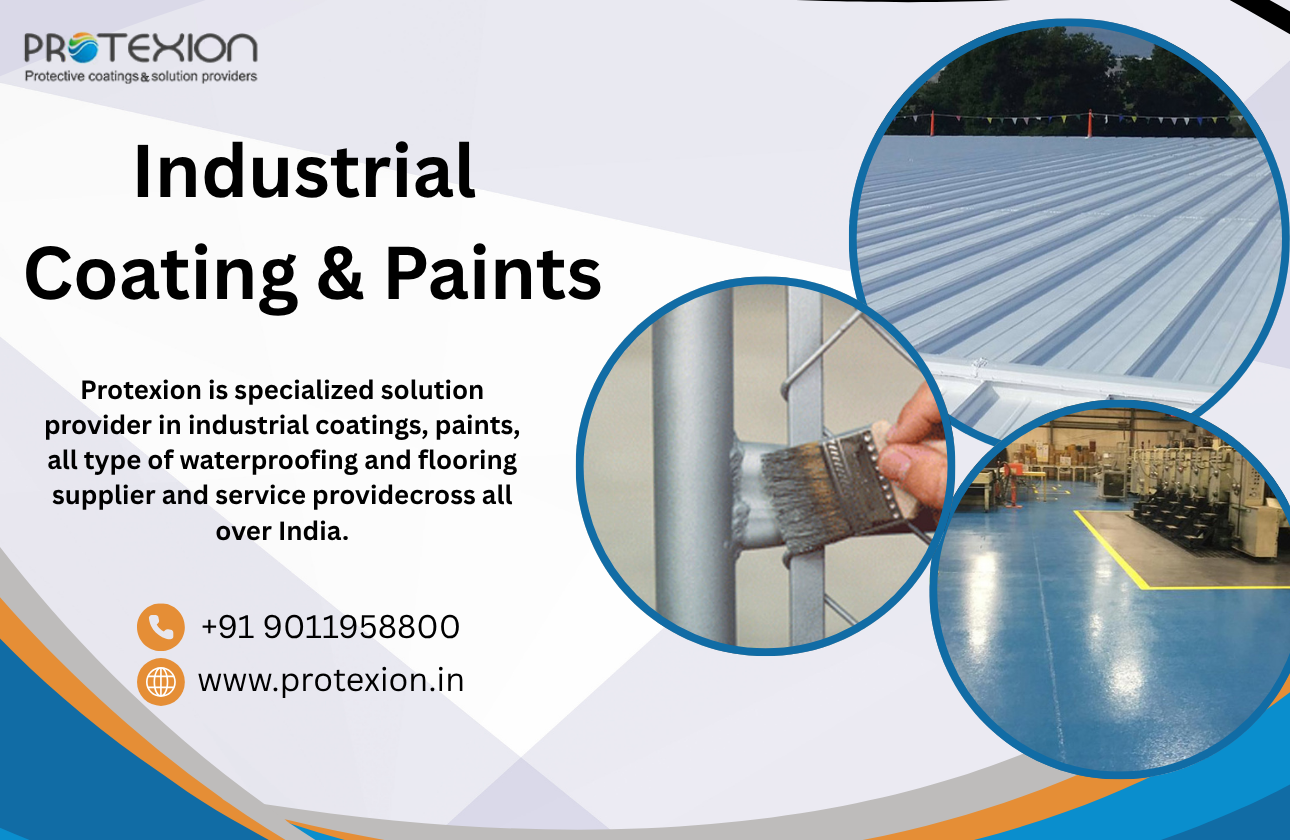
Heat resistant coatings are a subset of temperature resistant coatings that are predominantly used where surfaces are continually exposed to harsh thermal conditions. Whether it's in an industrial furnace or on the exterior of a building roof, these coatings protect against thermal fatigue and oxidation. They function by reflecting heat away and maintaining the integrity of the substrate. Protective heat reflective coatings are especially beneficial for roofs and surfaces exposed to direct sunlight, aiding in energy efficiency by keeping interiors cooler.
Aluminium Paint for Chimney: Why It’s Essential
Aluminium paint for chimneys is popular due to its reflective and heat-resistant properties. This type of paint is used in chimneys to prevent rust and withstand the frequent temperature fluctuations caused by burning fuels. By embracing the reflective nature of aluminium, these paints can minimize thermal stresses on the surface. The silvery sheen of aluminium paint isn't just for looks; it actually disperses heat effectively to maintain structural integrity over time.
Benefits of Using Temperature Resistant Coatings
Employing temperature resistant coatings comes with a multitude of benefits. These coatings are built to last, offering superior protection against extreme temperature fluctuations. They decrease the potential for damage in equipment, which can lead to costly repairs and downtime. Furthermore, when used on surfaces such as chimneys or industrial machinery, they help in enhancing energy efficiency by limiting the loss of heat. This results in lower operational costs as less energy is required to maintain optimal thermal conditions.
Choosing the Right Coating for Your Needs
When it comes to selecting the right coating, understanding your operational environment is crucial. Temperature and heat are just two factors to consider. Analysts often recommend a thorough assessment of the environment, including exposure to chemicals, moisture, and mechanical wear. In cases where both temperature resistance and corrosion protection are necessary, consulting a provider specializing in chemical resistance solutions is advisable. Choosing the wrong coating can lead to premature failure and substantial economic losses.
Frequently Asked Questions
1. What are temperature resistant coatings designed for?
Answer: Temperature resistant coatings are designed to withstand high temperatures without degrading. They protect surfaces from thermal fatigue, corrosion, and other forms of degradation that occur at elevated temperatures.
2. How do heat resistant coatings differ from temperature resistant coatings?
Answer: While all heat resistant coatings are temperature resistant, not all temperature resistant coatings are specifically formulated to handle direct, intense heat exposure. Heat resistant coatings often include specific additives that enhance their ability to reflect or withstand sustained high heat conditions.
3. What makes aluminium paint suitable for chimneys?
Answer: Aluminium paint is ideal for chimneys because of its excellent reflective properties. It can resist high temperatures and prevent rust, ensuring that the chimney maintains its efficiency and safety over time.
4. Can temperature resistant coatings be applied to all surfaces?
Answer: While these coatings can be applied to a variety of surfaces, it is crucial to choose the appropriate type based on the specific material of the substrate and its operating environment. Consulting with a coating specialist is always recommended.
5. How often should surfaces coated with temperature resistant paint be maintained?
Answer: Maintenance frequency depends on the exposure conditions and performance requirements. Regular inspections should be conducted to identify any potential failures early. In harsh conditions, more frequent assessments and touch-ups may be needed to ensure maximum effectiveness.