
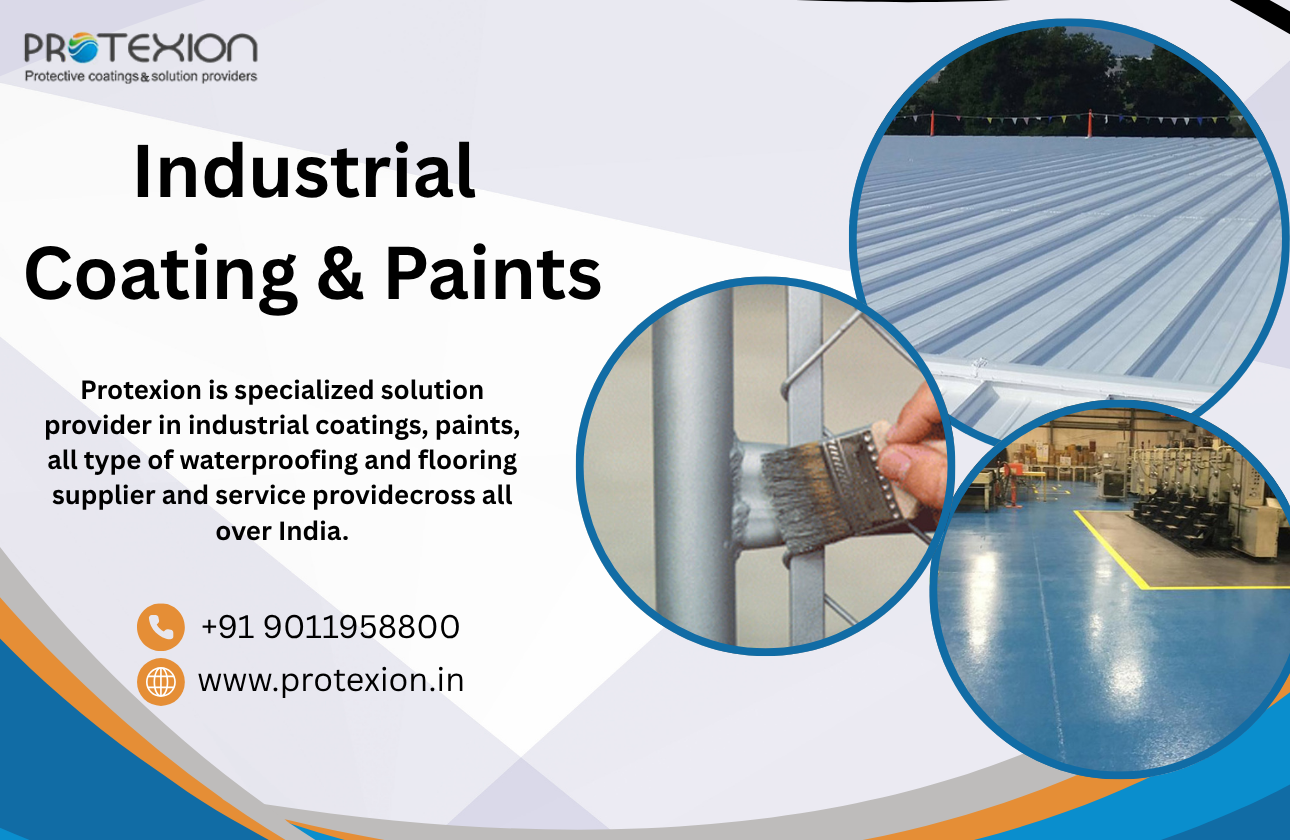
Electrical Insulation Coating
Electrical insulation coating is an essential aspect when it comes to safeguarding electrical devices and systems. These coatings are used to prevent electrical currents from leaking and ensure safety and efficiency. They are often applied to electrical wires, connections, and components to protect them from moisture, dust, and other environmental factors. The coating works by creating a non-conductive barrier that obstructs the electrical current flow, preventing short circuits or electrical shocks. Additionally, these coatings improve the durability and longevity of the electrical components by mitigating corrosion and wear. Electrical insulation coatings are crucial for both residential and industrial applications, where safety and efficiency are paramount.
Dielectric Coating for Floor
Dielectric coatings for floors, also known as insulated floor coatings, play a pivotal role in areas where the risk of electrical hazards is high. By applying these coatings, floors become barrier shields that prevent electrical shock. This is especially important in factories and laboratories, where many electrical devices operate simultaneously. Dielectric coatings protect individuals from potential harm by repelling static and current, helping you maintain a secure environment. Such coatings often incorporate polymers and resins that adhere well to floor surfaces, ensuring durability and long-term resistance. When floors are coated with dielectric materials, the risk of shock from faulty equipment or accidents is significantly reduced.
Insulated Floor Coating and Paint
Insulated floor coatings and paints are vital in various settings to enhance safety and functionality. These coatings offer a protective layer that minimizes conductive paths across the floor surface, mitigating the chances of electrical accidents. Such floor treatments often include non-conductive materials such as epoxy or polyurethane. The application helps ensure compliance with safety regulations, especially in commercial and industrial spaces. An insulated floor paint improves the integrity of the floor beneath it, adding a layer of moisture and chemical resistance that is especially beneficial in areas like warehouses. By investing in insulated floor coatings, industries can create a safer workplace environment that limits the risk of electrical hazards.
Shock Resistant Coating
Shock resistant coatings are designed to absorb and dissipate electric shock, making them invaluable in environments exposed to high electrical activity. These coatings are engineered to withstand sudden electrical impulses, thereby providing an additional safety layer. Often composed of specialized polymers and compounds, shock-resistant coatings reduce the likelihood of electrical arcs and shocks. In environments like power stations or manufacturing plants, the use of shock-resistant finishes on walls, floors, and equipment can greatly enhance operational safety. Moreover, these coatings also provide robust protection against mechanical impact and wear, contributing to the longevity of the facility's infrastructure. Incorporating a shock-resistant coating is a prudent measure to safeguard both personnel and sensitive equipment.
Current Resistant Coating
Current resistant coatings create a protective shield that prevents the flow of unwanted electrical currents, safeguarding structures and components from potential damage. By mitigating the risks of electrical conduction, these coatings ensure that devices operate optimally without interference. Current resistant coatings are crucial in sectors like telecommunications, where they help maintain the integrity and efficiency of equipment. These coatings are often made with materials that deter electricity, ensuring the safety of both people and devices. The coatings are essential for reducing energy loss and preventing efficiency drops in electrical systems. Using a current resistant coating enhances the durability and reliability of several electrical setups, making them a cornerstone in modern infrastructure.
Shock Proof Coating
Shock proof coatings are specialized formulations that protect surfaces from the damaging effects of electrical shock. These coatings are applied in environments where electric shocks can cause harm or equipment disruptions. Shock-proof coatings blend materials with high dielectric strength to resist electrical currents effectively. These coatings ensure that the facilities remain operational and that personnel work safely without the threat of electrical accidents. Industries like energy, construction, and manufacturing benefit from these shockproof solutions as they enhance safety features across surfaces. Such coatings also offer excellent durability against other physical impacts. Applying shock proof coatings secures infrastructures against electrical mishaps, safeguarding both the employees and the equipment.
Frequently Asked Questions
1. What is the main purpose of electrical insulation coatings?
Answer: Electrical insulation coatings aim to protect electrical components from external threats like moisture and dust while ensuring that electricity flows efficiently without leaks or shocks. These coatings serve to extend the lifespan of electrical parts and ensure safety standards are met.
2. Why are dielectric coatings important for floors?
Answer: Dielectric coatings for floors are crucial because they add a protective layer that prevents electric shocks, making environments safer. This is especially important in high-risk areas such as factories and laboratories where electrical equipment is frequently used.
3. How do insulated floor coatings contribute to workplace safety?
Answer: Insulated floor coatings contribute to workplace safety by providing a non-conductive barrier that decreases the risk of electrical shock from equipment. They comply with safety guidelines, especially in industrial settings, delivering an added layer of protection for employees and machinery.
4. In which industries are shock-resistant coatings typically used?
Answer: Shock-resistant coatings are widely used in industries such as power generation, telecommunications, and manufacturing. They protect both equipment and personnel from mechanical impacts and electrical surges, ensuring smooth and safe operations.
5. Can shock proof coatings be used in residential settings?
Answer: Yes, shock proof coatings can be applied in residential settings, particularly in home workshop areas or near electrical installations to prevent accidents and ensure the longevity of the flooring and electrical systems.