
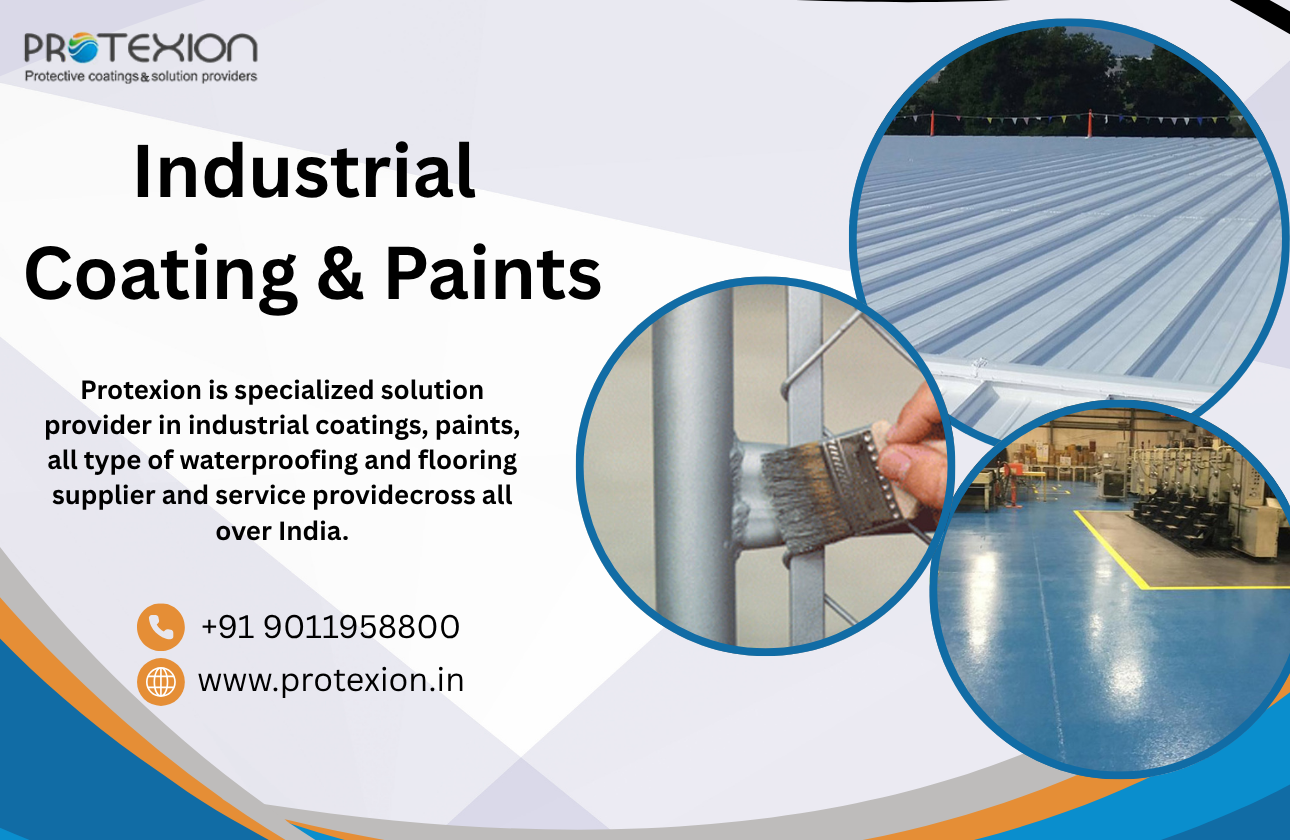
Introduction to Galvanizing Coating
When it comes to protecting metal surfaces, a galvanizing coating plays a crucial role in boosting durability and resistance to rust. This type of coating is applied primarily to steel and iron, offering them a layer of protection that reduces corrosion and enhances lifespan. Galvanizing coating applications are both economical and practical, making them a popular choice in industries that handle metals. The coating process involves adding a layer of zinc to the metal surface which provides a shield against elements like moisture and oxygen. This makes the metal not just resistant to corrosion but also significantly increases its longevity. Furthermore, this kind of coating is used in a wide range of sectors, including construction, automotive, and manufacturing, to protect heavy-duty equipment and structural components from rusting.
How Galvanizing Coating Works
Galvanizing coating works primarily through the application of a zinc layer over metal surfaces. Zinc acts as a protective barrier, and even if the metal gets scratched, the zinc continues to offer protection through a process known as galvanic corrosion. Galvanic corrosion ensures that zinc corrodes before the metal, further safeguarding exposed areas from deterioration. This sacrificial property of zinc is why galvanizing coatings are widely used to maintain the integrity of metal surfaces. The application process can vary, including methods like hot-dip galvanizing, in which components are dipped into molten zinc, and electro-galvanizing that uses an electric current to draw zinc onto the surface. Each method has its pros and cons and is chosen based on the specific requirements of the project or the properties needed for the finished product.
Applications of Galvanizing Coating
The applications for galvanizing coating are numerous and varied, making it a valuable addition across multiple industries. In construction, these coatings are extensively used to protect beams, pipelines, and other steel structures that form the backbone of buildings and bridges. In the automotive industry, galvanizing coatings provide protection for parts like chassis, which are highly susceptible to rust. Manufacturing industries rely on these coatings to safeguard machinery and equipment from the harsh effects of prolonged exposure to moisture and other corrosive agents. Railway tracks, utility poles, and even outdoor furniture can benefit from these protective coatings. The consistency in the performance and reliability of galvanizing coatings is what drives their broad adoption.
Galvanizing Coating vs. Other Coating Types
Compared to other protective coatings, galvanizing stands out for its effectiveness and cost-efficiency. While traditional paints merely act as a barrier, galvanizing coatings offer active protection. The zinc layer not only shields the metal but also provides a form of sacrificial protection, not something that conventional coatings offer. Another important aspect is the ability to self-repair minor damages. The zinc can migrate to small scratches and cuts, providing a new layer of protection, which further outmatches the capabilities of ordinary paint coatings. This makes galvanizing coatings a preferred option where durability is paramount. While certain environments or industries might favor different types of coatings due to specific requirements, galvanizing remains a strong contender in numerous applications.
What is Galvanizing Paint?
Galvanizing paint, while related to galvanizing coating, serves a slightly different purpose. Often referred to as cold galvanizing paint, this product is essentially a zinc-rich coating. Its main job is to protect metal surfaces from corrosion by using a high concentration of zinc dust mixed with a resin. This paint can be applied directly to metal surfaces to provide a protective layer that combats rust. It's easy to apply—requiring no dipping process like some galvanizing coatings—and can be used as a touch-up solution for areas that may not be fully protected by other means. Galvanizing paint is particularly useful for smaller-scale projects or as additional protection where touch-ups may be needed after damage or wear.
Applying Galvanizing Paint Effectively
Applying galvanizing paint is straightforward, but following the correct procedure is critical to ensure its effectiveness. Surface preparation is key; metal surfaces must be clean, free of rust, dirt, oils, and any previous coatings. An evenly applied coat is necessary, often achieved with a paintbrush, roller, or spray application. It's advisable to apply multiple coats to achieve the desired protection, especially in harsh environments where corrosion potential is high. The drying time can vary based on environmental conditions, and it's essential to allow full curing before these surfaces are placed under stress. Commonly, higher concentrations of zinc within the paint translate to better protective qualities, effectively mimicking the protection offered by hot-dip galvanizing.
Advantages of Galvanizing Paint
Galvanizing paint offers particular advantages over other protective methods, especially in terms of application scope and ease. Unlike traditional high-temperature coatings, galvanizing paint can be applied at room temperature, which is a significant benefit for projects with budget constraints or specific temperature-related restrictions. Galvanizing paint provides an additional layer of convenience and cost-effectiveness, making it ideal for on-site repairs and touch-ups in the field, far from industrial coating facilities. Its portability and ease of use allow maintenance teams to quickly address signs of minor rusting without requiring heavy machinery or high-energy processes. In many cases, it serves as proactive maintenance, ensuring longer lifespans for metal components.
The Long-Term Benefits of Galvanizing Solutions
Not only do galvanizing solutions like coatings and paints protect metal from corrosion, but they also provide long-term financial benefits through reduced maintenance costs and improved asset longevity. With a durable protective barrier against environmental elements, equipment and structures made from metals endure longer, which lowers the need for frequent repairs or replacements. This savings on operational costs, along with reduced downtime, can significantly impact productivity and profitability positively. Additionally, since galvanizing coatings provide lasting protection, they contribute to sustainability by reducing waste since fewer resources are spent on replacements, and less scrap metal is generated as a byproduct of structural failures.
Choosing the Right Galvanizing Product
When determining whether to use a galvanizing coating or paint, several factors must be considered. The environment in which the metal will reside is crucial—marine settings, for example, might expose metal to high levels of moisture, necessitating robust protection such as marine-grade coatings. Budget constraints, ease of application, and expected lifespan also play roles in decision-making. In cases where large-scale industrial application isn't feasible due to constraints like area accessibility or cost, zinc-rich paints offer a practical solution. Meanwhile, more traditional methods might be suited for proactive protection in new constructions.
Frequently Asked Questions
1. What is the difference between galvanizing coating and galvanizing paint?
Answer: Galvanizing coating typically refers to applying zinc through processes like hot-dipping to provide full protective coverage, while galvanizing paint involves painting zinc-rich coatings directly onto surfaces to mimic that protection.
2. Can you apply galvanizing paint on existing rust?
Answer: It's important to clean and remove existing rust before applying galvanizing paint for it to adhere properly and deliver effective protection. Preparation is key to success with this paint.
3. Are galvanizing coatings effective for all metals?
Answer: While primarily used on ferrous metals like steel and iron, galvanizing solutions can sometimes be adapted for use on other metals depending on environmental exposure and specific protective needs.
4. How long does galvanizing coating last?
Answer: Under ideal conditions, a galvanizing coating can last several decades. However, this longevity depends on the environment, quality of application, and whether it has sustained any damage.
5. What is the best application method for galvanizing paint?
Answer: Galvanizing paint can be effectively applied using a brush, roller, or spray. Multiple coats are recommended for the best protection, especially when facing harsh environmental conditions.