
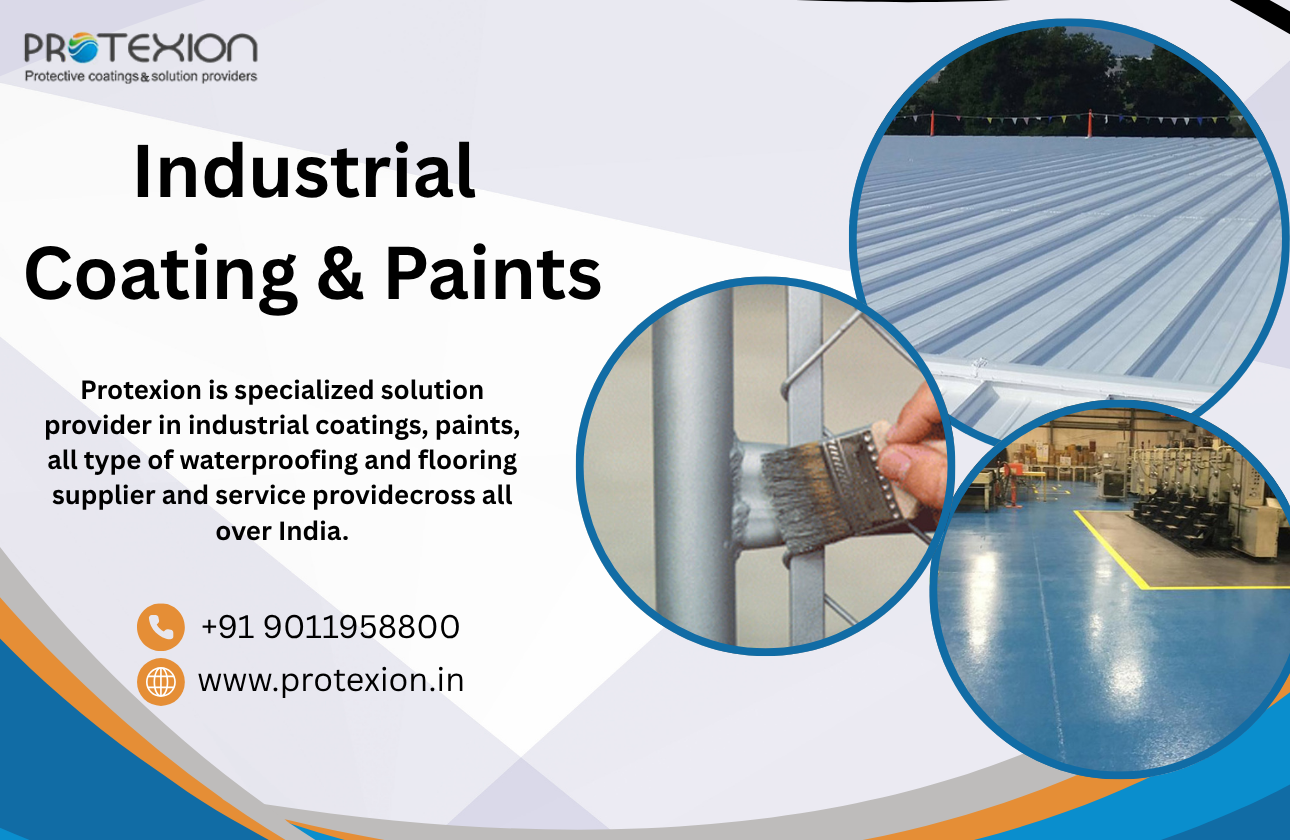
Introduction to Waterproofing Systems
Waterproofing systems are essential in both commercial and residential buildings. They provide protection against water infiltration, which can lead to structural damage, mold growth, and other issues. This is why understanding waterproofing is crucial. Whether you're building a new structure or maintaining an existing one, having a sound waterproofing strategy can save you a lot of time and money in the long run. But what exactly is a waterproofing system, and why do you need it? Let's dive into this topic and explore the fundamentals of waterproofing systems and solutions. Experts utilize them to safeguard infrastructures by employing various techniques and materials such as sealants, membranes, and coatings.
The Basics of Waterproofing Systems
Waterproofing systems are more than just simple barriers. They involve a combination of materials and techniques designed to prevent water intrusion into buildings. For instance, membranes, coatings, and sealants are common components. These materials work together to form a protective barrier that repels water. A well-designed waterproofing system stops leaks and prevents moisture build-up in construction materials. Different areas may require different approaches, such as basements needing robust systems to counteract ground moisture. Moreover, these systems enhance a building's value by maintaining its structure in good condition over time. Thus, choosing the right waterproofing system is crucial for maintaining a building’s integrity.
Different Types of Waterproofing Systems
There is a variety of waterproofing systems available. These include liquid waterproofing membrane, bituminous coating, bituminous membrane, polyurethane liquid membrane, and more. Each system has its unique application techniques and materials, suitable for different building surfaces and climates. For instance, liquid waterproofing membranes are versatile and useful in hard-to-reach areas, while bituminous membranes might offer more extensive coverage for larger areas. It's critical to understand that picking the right system involves considering factors like weather, building materials, and specific areas of application. Polymeric membrane coatings are another popular option, providing a robust barrier against moisture.
Waterproofing Systems in Residential Buildings
In residential settings, waterproofing is crucial in areas like bathrooms, kitchens, and basements. These spaces are consistently exposed to water, which can easily lead to leaks and deterioration if not properly managed. Homeowners often overlook the importance of waterproofing during construction or renovation. However, by doing so, they risk significant damage later on. Choosing the right materials and correct application is essential for maintaining the property’s condition. An effective waterproofing system caters to not only keeping water out but also ensuring durability. Well-thought-out waterproofing systems ensure that homeowners can avoid the hefty costs associated with water damage repairs.
Waterproofing in Commercial and Industrial Sectors
The importance of waterproofing is equally significant in commercial and industrial settings. Industries such as pharmaceuticals, food production, and textiles need effective waterproofing systems to maintain hygienic conditions and protect costly equipment from water damage. Overlooking proper waterproofing can result in production downtime, machinery failure, and safety hazards. Thus, selecting the correct waterproofing solution tailored to the specific industrial setting and application is critical. Generally, commercial sectors favor durable solutions like cementitious waterproofing for walls and floors due to its robust nature. The key is to employ solutions that not only manage water exposure but are also compliant with industry-specific regulations.
Understanding Waterproofing Solutions
Waterproofing solutions are designed to resolve all moisture-related problems in structures efficiently. These solutions encompass a wide range of products and techniques aimed at preventing water penetration and ensuring long-term performance of the waterproofing system. Solutions range from internal waterproofing products like sealants to external systems such as drainage panels. The selection of these solutions depends highly on the structure's needs, budget, and environmental conditions. Anticorrosion coatings can be a part of a waterproofing solution, providing dual protection against both water and corrosion.
Innovative Waterproofing Solutions
With advancements in technology, waterproofing solutions have seen significant improvements. Today, many companies offer cutting-edge products that offer high performance and longevity. These innovations include prefabricated membranes that are easy to install, eco-friendly solutions using recycled materials, and coatings that not only waterproof but also enhance energy efficiency. Innovative solutions also feature in protective coatings used on structures exposed to harsh conditions, like marine-grade coatings which are specifically designed to handle extreme moisture.
Common Challenges in Waterproofing
Implementing waterproofing systems can present several challenges. One common issue is selecting the wrong type of waterproofing. It is essential to understand the unique characteristics of the building, the climate, and the expected exposure to water. Moreover, errors during installation, such as inadequate surface preparation, can lead to failures. It's also vital to ensure that the waterproofing systems are correctly maintained over time to ensure they continue to perform correctly. Collaborating with professionals who understand the complexity of modern waterproofing systems is one way to mitigate these challenges.
Choosing the Right Professional for Waterproofing
Selecting the right contractor is a critical step in ensuring successful waterproofing. An experienced professional can offer meaningful advice on the best systems for your project and ensure quality installation. When looking for a contractor, consider their experience, reputation, and proven track record of successful projects similar to yours. Many experts in this field are also knowledgeable about the latest waterproofing solutions and technologies.
Future of Waterproofing Systems
The future of waterproofing is promising, with technological innovations continually pushing the envelope. The focus is moving towards more sustainable and energy-efficient solutions, integrating renewable materials that are environmentally friendly. Nanotechnology and smart materials allow for more effective moisture resistance and easier installation. Moreover, the ability to monitor and maintain these systems remotely using IoT technology is becoming feasible. These advancements point towards a future where waterproofing will not only be more effective but also integrated with broader sustainability efforts in the construction industry.
Frequently Asked Questions
1. What are the main benefits of waterproofing systems?
Answer: Waterproofing systems protect buildings from water damage, prevent mold and mildew growth, and preserve the structural integrity of the building. They increase the lifespan of the structure and enhance its value, making waterproofing a worthwhile investment.
2. How often should waterproofing be inspected?
Answer: Regular inspection is recommended, ideally every couple of years, or if you notice any signs of water damage. Inspections ensure that the system is functioning correctly and helps identify any potential issues before they become serious.
3. Can I apply a waterproofing solution myself?
Answer: While DIY waterproofing is possible, it is not recommended for areas subject to severe water exposure or where high-quality finishes are desired. Consulting with a professional ensures that the right materials and methods are used, and potential pitfalls are avoided.
4. Are waterproofing systems expensive?
Answer: The cost of waterproofing systems varies depending on the extent of the project, materials used, and complexity of the application. While initial costs can be significant, they often save money in the long run by preventing water damage and related repairs.
5. Do waterproofing solutions also provide insulation?
Answer: Some waterproofing solutions, such as insulating coatings, can offer additional benefits like insulation. These dual-purpose solutions are particularly advantageous in climates with extreme temperature variations, improving energy efficiency alongside waterproofing.